✓ The global online art market was valued at over $13.5 billion in 2022.
✓ Artists can expect to pay commission rates ranging from 5% to 50% on sales, depending on the platform.
✓ High-quality photography is crucial for online art sales, with 75% of buyers citing it as a major factor.
✓ Building a strong artist brand and engaging with your audience are key to sustained online success.
How It Works
1
Define Your Niche & Audience
Identify your unique artistic style and who your ideal buyer is. This clarity will guide your platform choice and marketing efforts.
2
Prepare Your Artwork for Sale
Ensure your art is professionally photographed, accurately described, and priced appropriately. High-resolution images are non-negotiable for online visibility.
3
Choose the Right Platforms
Research and select online marketplaces, galleries, or your own website that align with your art style, target audience, and business goals. Consider commission structures and reach.
4
Market & Engage
Actively promote your art across social media, email newsletters, and artist communities. Engage with potential buyers to build trust and foster connections.
Navigating the Digital Canvas: Top Platforms to Sell Art Online
Photo: Steve A Johnson / Pexels
The digital age has revolutionized how artists connect with collectors, transforming the traditional gallery model into a vast, accessible online marketplace. For artists in the US looking to expand their reach and monetize their passion, understanding the diverse landscape of online art-selling platforms is paramount. The question of 'where to sell art online' isn't just about finding a website; it's about identifying a community, a marketplace, and a business partner that aligns with your artistic vision and financial goals. This section delves into the leading platforms, categorizing them by their unique offerings, commission structures, and target audiences.
First, we have the established giants like Etsy and Saatchi Art. Etsy, renowned for its handmade and vintage goods, offers a low barrier to entry and a massive, engaged audience. While it's excellent for artists selling prints, smaller works, or craft-based art, standing out requires strong branding and consistent marketing. Etsy charges a listing fee per item and a percentage of the sale price, making it relatively affordable for emerging artists. Saatchi Art, on the other hand, positions itself as a global online gallery, attracting serious collectors and offering a more curated experience. They take a higher commission but provide extensive marketing support and a dedicated art advisory team, which can be invaluable for artists aiming for higher-value sales. Saatchi Art is particularly strong for contemporary fine art.
Then there are niche platforms catering to specific art forms or demographics. For instance, Artfinder focuses on original art from independent artists, emphasizing authenticity and direct artist-to-buyer connections. Their commission rates are competitive, and they offer various tools to help artists manage their shops. Redbubble and Society6 operate on a print-on-demand model, allowing artists to upload designs that are then printed on a wide array of products, from apparel to home decor. This model is perfect for artists looking to generate passive income from their designs without managing inventory or shipping. While the per-item profit margin might be lower, the scalability is immense. These platforms handle all production and fulfillment, freeing artists to focus solely on creation. For those interested in learning more about online art marketing strategies, understanding the nuances of each platform is crucial.
Another significant category includes platforms that offer artists more control and higher profit margins, such as building your own website using platforms like Shopify or Squarespace. While this requires more upfront effort in terms of setup, marketing, and transaction management, it allows artists to retain 100% of their sales (minus platform fees and payment processing). This approach is ideal for established artists with a strong brand presence or those who want complete creative and financial control. Integrating an e-commerce solution directly into your personal artist portfolio site can create a seamless experience for buyers and reinforce your professional image. The choice ultimately depends on an artist's current stage, their comfort level with technology, and their long-term business objectives. Each platform presents a unique opportunity to connect with art enthusiasts and build a sustainable career.
Beyond Marketplaces: Building Your Brand and Direct Sales Channels
Photo: Pavel Danilyuk / Pexels
While online marketplaces offer unparalleled exposure, a truly successful online art career often extends beyond simply listing your work on third-party sites. Building a robust personal brand and establishing direct sales channels are critical steps for long-term sustainability and higher profit margins. This approach allows artists to cultivate a direct relationship with their audience, foster loyalty, and create a more personalized buying experience, which can be a significant differentiator in a crowded market. The journey to effectively sell art online involves not just finding buyers but also building a community around your work.
One of the most powerful direct sales channels is your own artist website. Platforms like Shopify, Squarespace, and Wix offer user-friendly tools to create stunning, professional online portfolios with integrated e-commerce capabilities. Having your own website gives you complete control over your brand identity, presentation, and pricing. You dictate the narrative, showcase your process, and share your artistic journey in a way that's impossible on a generic marketplace. Furthermore, you avoid commission fees, meaning a larger percentage of each sale goes directly into your pocket. While there's an initial investment of time and potentially money for design and maintenance, the long-term benefits of owning your digital storefront are immense. It becomes the central hub for all your online activities, from showcasing new collections to announcing exhibitions.
Social media platforms are another indispensable tool for building your brand and driving direct sales. Instagram, Pinterest, Facebook, and even TikTok have become visual powerhouses for artists. These platforms allow you to share your creative process, behind-the-scenes glimpses, finished works, and interact directly with your audience. Consistent posting, engaging storytelling, and strategic use of hashtags can significantly increase your visibility and attract potential buyers. Many artists use social media to direct traffic to their personal websites or to announce limited edition drops, creating a sense of urgency and exclusivity. Building an engaged following on social media can translate directly into sales, as followers become invested in your artistic journey and are more likely to support your work.
Email marketing, often overlooked, remains one of the most effective direct sales tools. Building an email list allows you to communicate directly with your most interested fans and collectors. You can share exclusive previews of new work, offer subscriber-only discounts, announce upcoming shows, or simply share updates about your artistic practice. Unlike social media algorithms, email ensures your message reaches your audience directly. Tools like Mailchimp or ConvertKit make it easy to manage your list and send professional newsletters. Integrating these direct sales strategies with your presence on marketplaces creates a diversified income stream and a resilient business model, ensuring you're not solely reliant on any single platform to sell art online.
Pricing, Photography, and Promotion: Keys to Online Art Sales Success
Photo: Criativa Pix Fotografia / Pexels
Successfully navigating the online art market requires more than just creating beautiful art; it demands strategic thinking around pricing, professional presentation through photography, and proactive promotion. These three pillars are fundamental to converting browsers into buyers and establishing a sustainable career where to sell art online. Neglecting any one of these aspects can significantly hinder an artist's ability to stand out and generate consistent sales, regardless of the quality of their work.
First, let's address pricing. Determining the right price for your artwork is a delicate balance. It needs to reflect the value of your time, materials, experience, and market demand, while also being accessible to your target audience. A common mistake is underpricing, which can devalue your work and make it harder to raise prices later. Conversely, overpricing can deter potential buyers. Researching comparable artists and their pricing structures, considering the size and medium of your work, and factoring in platform commissions are all crucial steps. Many artists use a formula based on square inch or linear inch, combined with an hourly rate for their time. As your reputation grows and demand increases, you can gradually adjust your prices. Transparency in pricing, including shipping costs, builds trust with buyers.
Next, high-quality photography is non-negotiable for online art sales. Since buyers cannot physically interact with your art, your images are their primary point of contact. Poor lighting, blurry shots, or inaccurate color representation can instantly turn potential buyers away. Invest in good lighting (natural daylight is often best), a decent camera (even a modern smartphone can suffice with good technique), and learn basic editing. Take multiple shots from different angles, include detail shots, and consider 'in situ' photos (artwork displayed in a room setting) to help buyers visualize the piece in their own space. Ensure your images accurately represent the colors and textures of your work. This level of professionalism signals to buyers that you are serious about your craft and your business. For more insights on visual presentation, check out resources on optimizing your art portfolio.
Finally, effective promotion is the engine that drives sales. Simply listing your art online is not enough; you need to actively direct traffic to your listings or website. Leverage social media platforms by consistently sharing your work, process, and engaging with your audience. Use relevant hashtags to increase discoverability. Consider running targeted ads on platforms like Instagram or Facebook to reach specific demographics. Collaborate with other artists or art-related blogs for cross-promotion. Participate in online art challenges or virtual exhibitions. Build an email list and send regular newsletters to your subscribers, offering exclusive content or early access to new collections. Engaging with art communities, both online and offline, can also lead to valuable connections and opportunities. Remember, promotion isn't just about selling; it's about building relationships and fostering a community around your art.
Common Mistakes and Smart Strategies for Selling Art Online
Selling art online offers incredible opportunities, but it also comes with its own set of challenges. Avoiding common pitfalls and implementing smart strategies can significantly boost your chances of success. Many artists, especially those new to the digital marketplace, make easily rectifiable mistakes that hinder their sales and growth. Understanding these and learning how to navigate them is crucial for anyone wondering where to sell art online effectively.
**Common Mistakes to Avoid:**
* **Poor Quality Images:** As mentioned, this is the number one killer of online art sales. Blurry, poorly lit, or color-inaccurate photos create distrust and fail to showcase your art's true beauty.
* **Incomplete or Vague Descriptions:** Don't just list dimensions. Tell the story behind the piece, describe the materials, techniques, and inspiration. Help the buyer connect emotionally with your work.
* **Inconsistent Branding:** A disjointed online presence (different logos, colors, or messaging across platforms) makes you look unprofessional and harder to remember.
* **Ignoring Customer Service:** Slow responses, unhelpful answers, or difficult return policies can quickly damage your reputation and deter future sales.
* **Lack of Promotion:** Simply uploading your art and waiting for sales is a recipe for disappointment. You must actively promote your work.
* **Underpricing Your Work:** While tempting to attract buyers, consistently underpricing your art devalues your time, skill, and the art itself.
* **Neglecting Shipping Logistics:** Unclear shipping costs, lack of proper packaging, or unreliable delivery can lead to negative experiences.
**Smart Strategies for Success:**
* **Tell Your Story:** People buy from people. Share your artistic journey, your inspirations, and your process. This builds a connection and adds value to your art.
* **Build an Email List:** This is your most valuable asset. Offer a freebie (e.g., a desktop wallpaper, a guide) in exchange for email sign-ups and nurture these leads.
* **Engage on Social Media:** Don't just post; interact. Respond to comments, ask questions, and participate in relevant conversations. Show your personality.
* **Offer Excellent Customer Service:** Be responsive, helpful, and transparent. A positive buying experience leads to repeat customers and word-of-mouth referrals.
* **Invest in Professional Photography (or Learn It):** This is non-negotiable. It's an investment that pays dividends.
* **Consider Limited Editions or Series:** This can create a sense of urgency and exclusivity, encouraging faster purchasing decisions.
* **Collaborate with Others:** Partner with complementary businesses, influencers, or fellow artists for cross-promotion and expanded reach.
* **Analyze Your Data:** Pay attention to what sells, what doesn't, and where your traffic comes from. Use insights to refine your strategy.
* **Offer Various Price Points:** Have a range of items, from affordable prints to high-value originals, to appeal to different budgets.
* **Package Your Art Beautifully:** The unboxing experience can be a powerful marketing tool. Include a handwritten note or a small bonus item. This attention to detail elevates the perceived value of your art and reinforces your brand, making the journey of where to sell art online a more rewarding experience for both you and your collectors.
Comparison
Feature
Etsy (Best for Handmade/Prints)
Saatchi Art (Alternative 1: Fine Art)
Shopify (Alternative 2: Own Website)
Commission Rate
5% + $0.20 listing fee
35%
0-2.9% + transaction fees
Target Audience
Crafts, prints, affordable art
Serious art collectors, fine art
Your specific audience
Ease of Setup
Very Easy
Easy
Moderate (requires more effort)
Control over Branding
Limited
Limited
Full Control
Marketing Support
Community-driven
Strong (advisory, features)
Self-driven (your responsibility)
Inventory Management
Manual
Manual
Robust tools available
Global Reach
✓
✓
✓
Print-on-Demand
✗ (some integrations)
✗
✓ (via apps)
What Readers Say
★★★★★
"I was struggling to find buyers for my abstract paintings until I discovered Saatchi Art. The platform's reach and professional presentation helped me make my first international sale within months. It truly showed me where to sell art online to a global audience."
Sarah J. · Austin, TX
★★★★★
"Etsy has been a game-changer for my print business. The low fees and massive user base make it easy to list new designs and connect with buyers looking for unique home decor. It's an excellent starting point for anyone figuring out where to sell art online."
Mark L. · Portland, OR
★★★★★
"Building my own Shopify store was a bit of work, but the freedom and higher profit margins are incomparable. I've seen a 40% increase in my net earnings since moving away from commission-heavy platforms. It's the best long-term solution for where to sell art online."
Jessica R. · Miami, FL
★★★★★
"Artfinder has been good for my landscape photography. While sales aren't always consistent, the community feels supportive, and their artist tools are helpful. It's a solid option, though I still diversify across other channels."
David K. · Denver, CO
★★★★★
"Redbubble allowed me to turn my digital illustrations into a passive income stream. I just upload my designs, and they handle everything else. It's not for fine art, but for merchandise, it's fantastic for where to sell art online without the hassle."
Emily P. · New York, NY
Frequently Asked Questions
What is the best platform where to sell art online for beginners?
For beginners, Etsy is often recommended due to its user-friendly interface, large existing audience, and relatively low barrier to entry. It's excellent for testing the waters with prints, smaller originals, or craft-based art before investing heavily in other platforms or your own website.
How much commission do online art platforms typically take?
Commission rates vary widely. Etsy takes 5% plus a listing fee, Saatchi Art takes 35%, and Artfinder takes 30-33%. Platforms like Redbubble and Society6 (print-on-demand) allow you to set your own markup, which effectively determines your profit margin after their base cost.
How do I price my art for online sales?
Pricing involves considering your materials cost, time spent (hourly rate), experience, and market demand. Research what similar artists are charging on various platforms. Many artists use a formula (e.g., [length + width] x rate per inch, or square inch x rate) and then adjust based on complexity and perceived value. Be confident in your pricing.
Is it better to sell art on my own website or a marketplace?
Both have pros and cons. Marketplaces offer built-in audiences and marketing, but you pay higher commissions and have less control over branding. Your own website gives you full control and higher profit margins but requires more effort in driving traffic and marketing. A hybrid approach, using marketplaces for exposure and your website for direct sales, is often the most effective strategy.
How important is photography when selling art online?
Photography is critically important. Since buyers cannot physically see or touch your art, high-quality, well-lit, color-accurate images are the only way they can experience your work. Poor photos will deter sales, while professional images can significantly increase interest and perceived value.
Who should consider selling art online?
Anyone creating visual art, from painters and sculptors to digital artists and photographers, can benefit from selling online. It's ideal for artists looking to expand their reach beyond local galleries, build a global audience, and create a sustainable income stream from their creative work.
What are the risks of selling art online?
Risks include potential copyright infringement (though platforms have policies), managing returns and shipping damages, dealing with fraudulent buyers (rare but possible), and the challenge of standing out in a crowded market. Proper documentation, clear policies, and secure packaging can mitigate most risks.
What's the future trend for where to sell art online?
The trend points towards increased personalization, augmented reality (AR) tools for visualizing art in homes, the growing importance of artist storytelling, and the integration of NFTs for digital art. Direct artist-to-collector relationships fostered through personal websites and social media will continue to be paramount.
Ready to transform your artistic passion into a thriving business? Explore the diverse platforms and strategies outlined in this guide to find the perfect fit for your art. Start your journey today and discover where to sell art online to reach collectors worldwide.

 Photo: Steve A Johnson / Pexels
 Photo: Pavel Danilyuk / Pexels
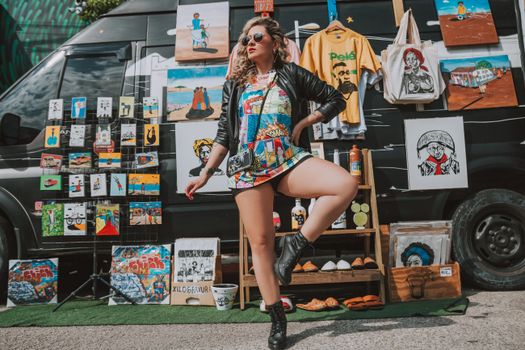 Photo: Criativa Pix Fotografia / Pexels