✓ Street art emerged from graffiti culture in the 1970s, evolving into diverse forms.
✓ It uses public spaces as its canvas, making art accessible to all, outside traditional galleries.
✓ Street art often carries social, political, or environmental messages, sparking public dialogue.
✓ Its legality varies widely, from commissioned murals to illicit 'tagging'.
How It Works
1
Understand Its Roots
Begin by exploring the foundational elements of graffiti and political messaging that paved the way for modern street art. This historical context reveals its rebellious spirit and community origins.
2
Recognize Diverse Forms
Learn to identify various street art techniques, such as stenciling, wheatpasting, murals, and installations. Each method offers a unique approach to conveying messages and aesthetics in public spaces.
3
Analyze Social Impact
Consider how street art interacts with its environment and audience, often commenting on societal issues, gentrification, or cultural identity. Its public nature fosters immediate engagement and discussion.
4
Appreciate Its Evolution
Observe how street art has transitioned from clandestine acts to celebrated public art, gaining recognition in mainstream art circuits. This evolution highlights its growing acceptance and artistic legitimacy.
The Genesis of Urban Expression: Tracing the Origins of Street Art
Photo: Matej / Pexels
To truly grasp what is street art movement, one must delve into its tumultuous and vibrant origins, predominantly rooted in the bustling urban centers of the United States. While public art has existed for millennia, the modern street art movement, as we understand it today, began to coalesce in the late 20th century, primarily in Philadelphia and New York City. Its genesis is inextricably linked with graffiti, often seen as its rebellious older sibling. In the late 1960s and early 1970s, young individuals, predominantly from marginalized communities, began using spray paint to 'tag' their names or crews on subway trains and walls. This act was initially a declaration of existence, a way to mark territory, and a form of communication within specific subcultures. It was raw, immediate, and often illegal, giving birth to an art form that thrived outside the confines of traditional art institutions. Artists like TAKI 183 in New York became legendary for their prolific tagging, inadvertently creating a visual language that would soon explode into a global phenomenon. The motivation was often multifaceted: a desire for recognition, a challenge to authority, a means of self-expression where other avenues were closed, and a vibrant subcultural identity. The sheer volume and visibility of graffiti transformed cityscapes into canvases, bringing art directly to the people, whether they wanted it or not. This early phase laid the groundwork for the more complex and visually sophisticated forms of street art that would follow. The transition from simple tags to elaborate 'pieces' with intricate lettering, vibrant colors, and dynamic compositions marked a significant evolution. These artists, often honing their skills in secrecy, developed unique styles and pushed the boundaries of aerosol art. The subway lines, serving as mobile galleries, carried these works across the city, exposing them to millions daily and sparking both outrage and admiration. This period of intense experimentation and proliferation established the fundamental principles of street art: its public nature, its ephemeral quality, and its inherent connection to urban life. Understanding these foundational elements is crucial for anyone seeking to understand the profound impact and evolution of this dynamic artistic genre. The early pioneers, often risking arrest and social condemnation, forged a path for future generations, proving that art could exist, and even flourish, beyond galleries and museums, directly on the streets. This radical approach challenged conventional notions of art, ownership, and public space, setting the stage for the diverse and politically charged expressions we see today. The rebellious spirit of these early days continues to resonate, shaping the ethos of contemporary street art and its enduring appeal. For more on the broader context of urban artistic expressions, explore the history of urban arts.
Beyond the Tag: Diverse Forms and Mediums Defining Street Art
Photo: Jan van der Wolf / Pexels
The evolution of the street art movement saw a significant diversification from its graffiti roots, embracing a multitude of forms and mediums that expanded its expressive potential. While spray paint remains a quintessential tool, artists began to experiment with stencils, wheatpasting, stickers, mosaics, knit bombing, and even light projections, each offering unique aesthetic and conceptual possibilities. Stenciling, popularized by artists like Blek le Rat in France and later propelled to global fame by the anonymous Banksy, offered a quicker, more replicable, and often more politically charged method of image-making. Stencils allow for detailed imagery and text to be applied rapidly, minimizing the risk of apprehension and maximizing the message's reach. Wheatpasting, another prominent technique, involves applying printed posters or artworks to walls using a simple adhesive made from flour and water. This method allows artists to create intricate, large-scale pieces in a studio environment and then quickly install them in public, offering a different kind of permanence and visual impact. Shepard Fairey's iconic 'Obey Giant' campaign, for instance, extensively utilized wheatpasting and stickers to disseminate his distinct visual language. Stickers, often referred to as 'slaps,' provide a discreet yet pervasive form of street art, easily applied and highly collectible. They serve as miniature canvases for artists to share logos, characters, or messages. The adoption of these varied techniques reflects a growing sophistication and an ongoing desire to innovate within the public art sphere. Street artists are not confined by traditional artistic boundaries; they repurpose urban infrastructure, architectural elements, and discarded objects to create site-specific installations that interact directly with their environment. Some artists integrate their work so seamlessly into the urban fabric that it almost becomes part of the landscape, only revealing itself upon closer inspection. This constant experimentation with mediums and techniques is a hallmark of the street art movement, allowing it to remain dynamic, relevant, and ever-evolving. The choice of medium often dictates the message and the artist's intent, from the bold, declarative statements of large-scale murals to the subtle, ephemeral interventions of chalk art. This expansive approach to creation distinguishes street art from its predecessors and underscores its adaptability as a contemporary art form, continuously pushing the boundaries of what public art can be and how it can engage with its audience. The diverse toolkit employed by street artists ensures that the movement remains fresh and unpredictable, capable of surprising and challenging viewers in unexpected ways.
The Message and the Medium: Social Impact and Cultural Significance
Photo: Mehmet Turgut Kirkgoz / Pexels
Beyond its aesthetic appeal, what is street art movement is profoundly defined by its social impact and cultural significance. Unlike art confined within galleries, street art is inherently democratic, accessible to all regardless of socioeconomic status or art education. It democratizes art, bringing it directly to the people in their everyday lives, often in unexpected and thought-provoking ways. This accessibility fosters a unique dialogue between the art, the artist, and the public. Street art frequently serves as a powerful vehicle for social and political commentary. Artists use public walls to address pressing issues such as inequality, environmental degradation, war, consumerism, and human rights. A poignant mural depicting climate change, for example, can spark conversation and raise awareness more effectively than a traditional campaign poster because it integrates art into the urban experience. The anonymity often associated with street artists, particularly in the early days, allowed for a freedom of expression that could challenge authority without direct consequence, fostering a subversive edge. This ability to critique societal norms and political structures without censorship is a cornerstone of the movement's power. Furthermore, street art plays a significant role in urban revitalization and community building. In many cities, dilapidated walls and neglected neighborhoods have been transformed into vibrant outdoor galleries, attracting tourists and fostering a sense of pride among residents. The creation of large-scale murals, often commissioned by communities or local governments, can become landmarks, drawing people together and redefining the identity of an area. While some forms of street art remain controversial due to their illicit nature, the increasing recognition of its cultural value has led to a greater acceptance and even celebration of the art form. Festivals dedicated to street art proliferate globally, and major museums now showcase the works of prominent street artists, further blurring the lines between 'high art' and 'low art.' This institutional acceptance, while sometimes viewed critically by purists who value its rebellious origins, undeniably elevates its status and broadens its reach. The transient nature of much street art also imbues it with a unique poignancy, reminding viewers of the impermanence of existence and the constant flux of urban environments. It forces us to engage with our surroundings, to look beyond the mundane, and to find beauty and meaning in unexpected places. The cultural significance of street art lies not just in the art itself, but in its ability to transform spaces, challenge perceptions, and ignite conversations, making it an indispensable part of contemporary global culture. To understand more about how art influences society, consider the impact of public art on communities.
Navigating the Legalities and Ethical Landscape of Street Art
Photo: Thanos Skoufitsas / Pexels
Understanding what is street art movement also requires navigating its complex relationship with legality and ethics. This is arguably one of the most defining and often contentious aspects of the genre. At its core, much of street art, especially in its earlier forms, was considered vandalism – an unauthorized alteration of public or private property. This inherent tension between artistic expression and property rights continues to shape the movement. The legal status of street art exists on a spectrum. On one end are the clandestine acts of 'tagging' or creating unsolicited pieces, which are unequivocally illegal and can lead to fines, arrests, and even jail time. These acts are often driven by a desire for immediate impact, a challenge to authority, or simply the thrill of creation in forbidden spaces. On the other end are commissioned murals and public art installations, where artists are legally sanctioned to create their work, often with funding from municipalities, businesses, or cultural organizations. These works are celebrated for their ability to beautify urban spaces, attract tourism, and convey positive messages. In between these two extremes lies a grey area, where artists might create work on abandoned buildings, utility boxes, or other surfaces that are not actively maintained, often without explicit permission but also without direct opposition. The ethics surrounding street art are equally nuanced. Critics often cite property damage, public nuisance, and the potential for increased crime as reasons to condemn unauthorized street art. They argue that it devalues property and creates an unsightly environment. Conversely, proponents argue that street art can reclaim neglected spaces, inject vitality into drab areas, and provide a voice for the voiceless. They see it as a legitimate form of artistic expression, a democratic art that challenges elitism and brings culture directly to the people. The debate often centers on who owns public space and who has the right to adorn it. Many street artists view the city as a shared canvas, a place for communal expression, while property owners see it as their private domain. This ongoing dialogue highlights fundamental questions about urban planning, censorship, and the role of art in society. As the street art movement gains mainstream recognition, cities worldwide are increasingly implementing programs to integrate street art into urban development, commissioning artists, and even designating 'legal walls' where artists can create freely. This shift reflects a growing appreciation for the art form, while still attempting to manage its more rebellious impulses. The continuous interplay between legality, ethics, and artistic freedom defines the dynamic and often controversial nature of street art.
Comparison
Feature
Street Art (General)
Traditional Gallery Art
Graffiti (Early)
Location
Public/Urban Spaces
Dedicated Galleries/Museums
Public/Urban Spaces (often illicit)
Accessibility
High (free, public)
Limited (tickets, specific hours)
High (free, public)
Legality
Variable (illegal to commissioned)
Generally legal/sanctioned
Mostly illegal
Audience
Mass public, diverse
Art enthusiasts, collectors
Subculture, public (often accidental)
Longevity
Often ephemeral
Long-term (preservation)
Ephemeral (painted over)
Primary Goal
Expression, social commentary, aesthetics
Aesthetics, investment, cultural preservation
Tagging, territory marking, recognition
What Readers Say
★★★★★
"This article truly illuminated what is street art movement. I always thought it was just graffiti, but now I understand the depth and diversity of the art form and its powerful messages. It's transformed how I view my city's walls."
Alex P. · Brooklyn, NY
★★★★★
"As an art student, this piece provided an excellent, comprehensive overview of street art's evolution and impact. The historical context was particularly insightful, connecting the dots from early tags to contemporary murals."
Maria S. · Los Angeles, CA
★★★★★
"I used to dismiss street art, but after reading this, I've started noticing the incredible talent and social commentary around me. I even joined a local street art tour last weekend, which I never would have considered before."
David L. · Chicago, IL
★★★★★
"Very informative, though I wish there was a bit more emphasis on the role of female artists in the movement. Still, it's a fantastic starting point for anyone curious about what is street art movement and its cultural significance."
Sarah K. · Portland, OR
★★★★★
"This article perfectly captures the rebellious spirit and artistic innovation that defines street art. It's not just paint on a wall; it's a living, breathing commentary on our world, constantly evolving."
James R. · Miami, FL
Frequently Asked Questions
Most searched question about what is street art movement?
The street art movement refers to an art form created in public spaces, typically outside the context of traditional art galleries. It encompasses a wide range of techniques, including graffiti, stenciling, wheatpasting, murals, and installations. Its primary characteristic is its public, often unauthorized, nature, aimed at communicating directly with a broad audience.
Common concern?
A common concern is the legality of street art, as much of it is created without permission and can be considered vandalism. However, the movement has evolved, with many cities now commissioning street artists for murals, blurring the lines between illicit expression and sanctioned public art. This has led to a greater acceptance and appreciation of the art form.
How-to question?
To appreciate street art, start by observing your urban environment with a new eye, looking for details on walls, utility boxes, and abandoned spaces. Research local street art tours or maps in your city, which often highlight significant works. Learn about prominent artists and their styles to better understand the messages and techniques behind the art you encounter.
Cost or value question?
While the act of creating street art often involves minimal cost for materials, its cultural and artistic value is immense. It democratizes art, making it accessible to all for free, and often addresses pressing social issues. Major works by renowned street artists can fetch high prices in the art market, reflecting their growing recognition and influence.
Comparison vs alternative?
Street art differs from traditional gallery art primarily in its setting and accessibility. Gallery art is typically confined to curated indoor spaces, often requiring admission, and targets a specific art-buying audience. Street art, conversely, is in public spaces, free to view, and aims to engage a diverse, mass audience, often with immediate social or political commentary.
Who should use what is street art movement?
The street art movement is not something to 'use,' but rather to experience and understand. It's for anyone interested in art, urban culture, social commentary, or community revitalization. Artists, art enthusiasts, urban explorers, sociologists, and anyone curious about the evolving landscape of public expression will find value in exploring this dynamic movement.
Safety or risk question?
For artists, creating unauthorized street art carries risks of legal penalties and personal safety concerns in public spaces. For viewers, engaging with street art is generally safe, but it's always wise to be aware of your surroundings, especially in less-trafficked areas where some art might be located. Stick to well-known art districts or guided tours for the safest experience.
Future trend question?
The future of the street art movement likely involves continued integration of digital elements, such as augmented reality art that overlays digital content onto physical murals. Expect more collaborations between artists and urban planners, further legitimizing the art form while pushing boundaries. It will also continue to be a powerful voice for social justice and environmental advocacy.
Embark on your own journey to explore what is street art movement, uncover its hidden gems in your city, and engage with the powerful narratives etched onto our urban landscapes. This dynamic art form invites you to look closer, think deeper, and connect with the vibrant pulse of contemporary culture.

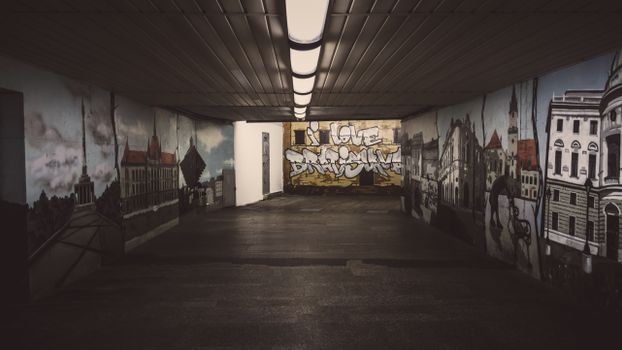 Photo: Matej / Pexels
 Photo: Jan van der Wolf / Pexels
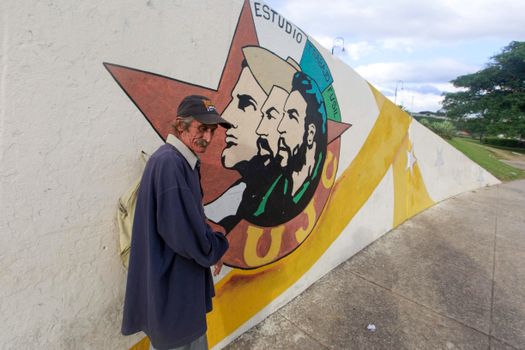 Photo: Mehmet Turgut Kirkgoz / Pexels
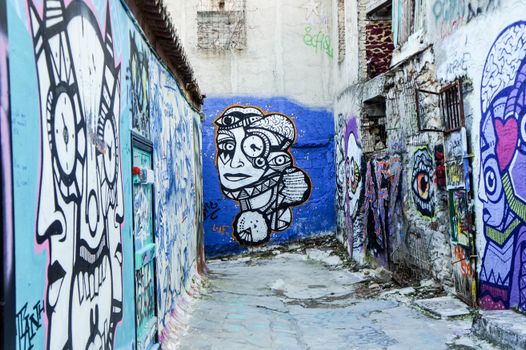 Photo: Thanos Skoufitsas / Pexels