What is Contemporary Art? A Deep Dive for Beginners
what is contemporary art

What is Contemporary Art? A Deep Dive for Beginners

Explore the vibrant, ever-evolving world of contemporary art, understanding its core principles and cultural significance.

Start Your Journey

Key Takeaways

  • ✓ Contemporary art generally refers to art made from the 1960s/70s to the present day.
  • ✓ It is characterized by its diversity in materials, concepts, and subjects.
  • ✓ Contemporary art often challenges traditional definitions of art and engages with societal issues.
  • ✓ It is not a single style but an umbrella term for a multitude of artistic movements and individual expressions.

How It Works

1
Understand the Timeline

Contemporary art follows modern art, typically starting post-World War II or with movements like Pop Art. This historical context is crucial for understanding its evolution.

2
Embrace Conceptual Diversity

Unlike earlier art forms, contemporary art often prioritizes ideas and concepts over traditional aesthetics. Be open to art that makes you think, rather than just admire.

3
Recognize Medium Fluidity

Contemporary artists utilize an expansive range of materials and techniques, from painting and sculpture to video, performance, and digital media. There are no limits to the tools of expression.

4
Engage with Societal Dialogue

Much contemporary art directly addresses current social, political, and cultural issues. Viewing it through this lens can reveal deeper meanings and connections to our world.

Defining What is Contemporary Art: Beyond the Timeline
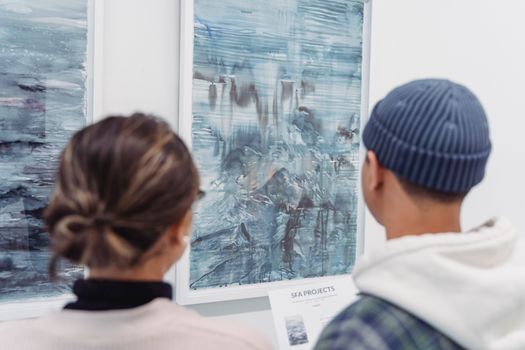
Visitors admire abstract paintings in an art gallery, showcasing modern artistic expressions. Photo: Greta Hoffman / Pexels
When people ask, 'what is contemporary art?', the immediate answer often revolves around a timeframe: art from the 1960s or 1970s to the present day. While this chronological marker is a useful starting point, it only scratches the surface of what contemporary art truly embodies. It's not merely about when the art was made, but how it engages with the world, its conceptual underpinnings, and its relentless push against established boundaries. Unlike its predecessor, Modern Art, which sought to break from academic traditions and explore new forms, contemporary art often questions the very definition of art itself. It's a vast, sprawling, and often contradictory field, reflecting the complexities of our globalized, technologically advanced, and socially conscious era. One of the most defining characteristics of contemporary art is its incredible diversity. There isn't a single prevailing style or movement; instead, we see a multitude of approaches coexisting and sometimes clashing. Artists are free to draw inspiration from any source, use any material, and explore any subject matter. This freedom can be both exhilarating and, at times, bewildering for viewers accustomed to more traditional art forms. You might encounter a painting next to a video installation, a performance art piece, or a sculpture made from recycled materials, all under the umbrella of 'contemporary art.' This eclecticism is not a weakness but a strength, allowing for a rich tapestry of artistic expression that mirrors the multifaceted nature of contemporary life. Furthermore, contemporary art frequently engages directly with contemporary issues. Artists often use their work as a platform to comment on politics, environmental concerns, identity, globalization, technology, and social justice. This makes much of contemporary art inherently relevant and often provocative, inviting viewers to critically examine their own perspectives and the world around them. It's not always about beauty in a conventional sense, but about sparking thought, initiating dialogue, and sometimes, even discomfort. Understanding this engagement with the present moment is key to appreciating the depth and purpose behind many contemporary works. It encourages a more active and interpretive role for the audience, moving beyond passive observation to active participation in meaning-making. For further exploration into how different artistic periods relate, consider delving into the history of art movements. This broad scope and willingness to tackle difficult subjects are central to understanding what defines this period in art history.

Key Characteristics and Enduring Themes in Contemporary Art

Beyond its broad timeline, several characteristics consistently emerge when discussing what is contemporary art. One of the most prominent is the emphasis on concept over aesthetics. While visual appeal is certainly not absent, the 'idea' behind the artwork often takes precedence. This means that an artwork might not be traditionally beautiful, but its conceptual depth, the questions it poses, or the statement it makes, are what give it its power and significance. Artists might use everyday objects, found materials, or non-traditional mediums to convey complex ideas, challenging viewers to look beyond the surface and engage with the underlying message. This conceptual focus is a direct evolution from earlier 20th-century movements but has been pushed to new extremes in the contemporary era. Another hallmark is the blurring of boundaries between different art forms and disciplines. Contemporary artists often work across media, integrating painting with sculpture, performance with video, or digital art with installation. This interdisciplinary approach reflects a world where categories are increasingly fluid and interconnected. It also allows artists greater freedom to choose the most effective medium to communicate their specific message, rather than being confined by traditional definitions of painting or sculpture. This fluidity extends to the relationship between art and life, with many artists bringing real-world elements, social interactions, or direct political action into their artistic practice. The gallery space itself can become a site for social experiments or community engagement. Themes in contemporary art are as varied as the artists themselves, yet certain recurring motifs resonate widely. Identity, in all its forms – personal, cultural, gender, national – is a pervasive subject. Artists explore how identity is constructed, performed, and challenged in a diverse society. Globalization and its effects, both unifying and divisive, also feature prominently, with artists often addressing migration, cultural exchange, and the interconnectedness of economies and societies. Technology, from its transformative potential to its ethical dilemmas, provides another rich vein for artistic exploration, as does the increasingly urgent issue of environmental sustainability. These themes are not merely depicted but often critically examined, inviting viewers to reflect on their own roles within these complex societal narratives. The constant evolution and reinterpretation of these themes ensure that contemporary art remains a vibrant and relevant field, always in dialogue with the present moment and hinting at future possibilities.

Contemporary vs. Modern Art: Understanding the Distinction

A common point of confusion for many art enthusiasts is distinguishing between 'modern art' and 'contemporary art.' While both terms refer to art of relatively recent times, they represent distinct periods and approaches. Understanding this difference is crucial to fully grasp what is contemporary art. Modern art generally spans from the 1860s (with movements like Impressionism) to the 1960s. It was a revolutionary period characterized by a radical break from traditional, academic art. Modern artists sought to represent the world in new ways, exploring subjective experience, abstraction, and the formal qualities of art itself. Think Cubism, Surrealism, Abstract Expressionism – these are hallmarks of the modern era. The focus was often on innovation in form, color, and composition, with a strong emphasis on the artist's individual vision and expression. It challenged the notion of what a painting or sculpture could be, pushing boundaries in terms of representation and material. Contemporary art, on the other hand, picks up where modern art largely left off, from the 1960s/1970s to the present. While it inherits modernism's spirit of innovation and rejection of tradition, it often goes further, questioning the very definition and purpose of art. Where modern art often focused on 'how' art was made and 'what' it could depict, contemporary art frequently delves into 'why' art is made and 'what' its role is in society. The shift is often described as moving from a focus on form and aesthetics (modern) to concept and context (contemporary). This doesn't mean contemporary art lacks aesthetic appeal, but rather that its aesthetic might serve a larger conceptual goal. For instance, a modern abstract painting might celebrate pure form, whereas a contemporary abstract piece might use abstraction to comment on digital data or political obfuscation. Moreover, the range of materials and mediums expanded dramatically with contemporary art. While modern artists experimented with new techniques in painting and sculpture, contemporary artists embraced entirely new categories like performance art, video art, installation art, and digital art. The art world became less about masterpieces for the elite and more about experiences, ideas, and engagement with a broader public. The political and social consciousness of the contemporary period is also a significant differentiator. While modern art certainly had its political undertones, contemporary art often directly confronts social issues, identity politics, and global challenges with a more overt and activist stance. It's a continuous dialogue with the present, reflecting and shaping our understanding of a rapidly changing world. To dive deeper into how art evolved through these periods, explore this resource on the evolution of artistic expression.

Navigating the Contemporary Art World: Tips for Viewers

Engaging with contemporary art can be a deeply rewarding experience, but it sometimes requires a different approach than viewing more historical art. Here are some tips to help you navigate and appreciate what is contemporary art: * **Embrace the Unfamiliar:** Don't go in expecting traditional beauty or immediate understanding. Contemporary art often challenges preconceived notions. Be open to new ideas, unconventional materials, and provocative themes. The initial feeling of confusion can be a starting point for deeper engagement. * **Read the Labels and Explanations:** Unlike older art where visual literacy might suffice, contemporary art frequently benefits from accompanying text. Artist statements, wall labels, and exhibition guides often provide crucial context, explaining the artist's intentions, the concepts behind the work, and the materials used. This information can unlock layers of meaning you might otherwise miss. * **Ask Questions:** If you're in a gallery or museum, don't hesitate to ask docents or staff for more information. Engaging in dialogue can deepen your understanding. Internally, ask yourself: What is the artist trying to say? What materials are used and why? How does this make me feel? What societal issues does it touch upon? * **Consider the Context:** Contemporary art is deeply rooted in its time. Think about the social, political, and cultural climate in which the artwork was created. Understanding the contemporary issues the artist might be responding to can illuminate the work's significance. * **Look Beyond the Object:** Many contemporary artworks are not just about the physical object. Performance art is about the experience; installation art is about the environment; conceptual art is about the idea. Be prepared to engage with art that is ephemeral, immersive, or primarily intellectual. * **Visit Diverse Venues:** Contemporary art isn't confined to major museums. Explore smaller galleries, artist-run spaces, public art installations, and university art programs. These venues often showcase emerging artists and experimental works that push boundaries even further. * **Form Your Own Opinions:** While context and explanations are helpful, ultimately, your personal response to the art is valid. You don't have to 'like' every piece, but try to understand why you react the way you do. Contemporary art often aims to provoke thought and discussion, and your individual interpretation is part of that process. By adopting these strategies, you can move beyond initial apprehension and find profound connections and intellectual stimulation within the dynamic and expansive world of contemporary art.

Comparison

FeatureContemporary ArtModern ArtTraditional Art
Timeline1960s/70s - Present1860s - 1960sPre-1860s
Primary FocusConcept, Context, IdeaForm, Aesthetics, InnovationRepresentation, Skill, Subject
Materials/MediumsUnlimited (video, performance, digital, found objects, etc.)Expanded (oil, acrylic, metal, new sculpting techniques)Traditional (oil on canvas, marble, bronze)
Societal EngagementDirectly addresses current issues, activistChallenges norms, explores individual psycheReinforces societal values, religious themes
Audience RoleActive interpretation, dialogueAppreciation of innovation, emotional responsePassive admiration, understanding narrative

What Readers Say

"This article completely demystified contemporary art for me! I used to feel intimidated, but now I understand the conceptual focus and feel much more confident exploring galleries. It truly helped me grasp what is contemporary art."

Sarah J. · Brooklyn, NY

"As an aspiring artist, this deep dive into contemporary art's characteristics and themes was incredibly insightful. The distinction between modern and contemporary art was especially clear and helpful for my own practice."

David L. · Los Angeles, CA

"I always struggled with 'what is contemporary art' until I read this. The tips for viewers were a game-changer, making my last museum visit so much more engaging and meaningful. I actually felt connected to the pieces."

Emily R. · Chicago, IL

"A very thorough explanation, though some of the conceptual ideas still require multiple readings for me to fully grasp. The historical context and comparisons were excellent, providing a solid foundation for understanding."

Mark S. · Austin, TX

"I'm a gallery owner, and I'll be recommending this article to new visitors who often ask 'what is contemporary art?'. It provides a fantastic, accessible overview without oversimplifying the complexities."

Jessica M. · Seattle, WA

Frequently Asked Questions

What is the main difference between contemporary art and modern art?

The main difference lies in their timelines and primary focus. Modern art (1860s-1960s) emphasized innovation in form and aesthetics, breaking from traditional representation. Contemporary art (1960s/70s-present) often prioritizes concept and context, questioning the very definition of art and engaging directly with current societal issues, using a much broader range of materials and mediums.

Why is contemporary art sometimes difficult to understand or appreciate?

Contemporary art can be challenging because it often prioritizes ideas and concepts over traditional beauty, uses unconventional materials, and engages with complex social or political themes. It may require viewers to think critically, read accompanying explanations, and be open to art that provokes thought rather than simply pleasing the eye. It's designed to make you engage, not just observe.

How can I start engaging with contemporary art if I'm a beginner?

Start by visiting local contemporary art museums or galleries and reading the wall labels and artist statements carefully. Be open to new experiences and don't be afraid to ask questions. Consider attending guided tours or lectures to gain more context. The key is to approach it with curiosity and an open mind, rather than expecting traditional aesthetics.

Does contemporary art have monetary value, or is it purely conceptual?

Contemporary art can have significant monetary value, with many works selling for millions at auction. While conceptual depth is crucial, the art market values pieces based on an artist's reputation, historical significance, demand, and perceived cultural impact. The perceived value often stems from its ability to provoke thought and reflect the current human condition, not just its material worth.

Is contemporary art just 'anything goes' without rules or skill?

While contemporary art certainly pushes boundaries and often rejects traditional 'rules,' it is not simply 'anything goes.' Artists often possess immense skill, whether in traditional techniques, conceptual development, or mastery of new media. The 'rules' are often self-imposed by the artist or defined by the specific artistic movement, focusing on conceptual rigor, innovative execution, and profound messaging rather than adherence to classical conventions.

Who should explore contemporary art?

Anyone with an open mind and a curiosity about the world around them should explore contemporary art. It's particularly engaging for those interested in social commentary, philosophical questions, new technologies, and diverse cultural perspectives. It offers a unique lens through which to understand and reflect upon our rapidly evolving society.

Is there a risk of contemporary art being misunderstood or misinterpreted?

Yes, there is always a risk of misunderstanding or misinterpretation with any complex form of communication, and contemporary art is no exception. Its conceptual nature often invites multiple interpretations. However, artists frequently provide context through titles, statements, or curated exhibitions to guide understanding, and the ongoing dialogue around a piece is often part of its intended impact.

What are the future trends in contemporary art?

Future trends in contemporary art are likely to continue exploring the impact of artificial intelligence, virtual and augmented reality, and biotechnologies. We can also expect ongoing engagement with climate change, global inequalities, and identity politics, possibly with a greater emphasis on participatory and community-based art forms, pushing the boundaries of what art can be and do in the public sphere.

Embark on your own journey into the captivating realm of contemporary art today. With a newfound understanding of what is contemporary art, you're ready to engage, question, and discover the profound beauty and meaning it holds for our modern world.

Topics: what is contemporary artcontemporary art definitionmodern art vs contemporary artcontemporary art characteristicshistory of contemporary art
Leo List
Brampton weed
Adultwork