How to Start Painting for Beginners: Your Ultimate Guide
how to start painting for beginners

How to Start Painting for Beginners: Your Ultimate Guide

Unlock your inner artist and begin your exciting painting journey with confidence and creativity.

Start Painting Now

Key Takeaways

  • ✓ No prior experience is needed to start painting.
  • ✓ Acrylics are often recommended for beginners due to their versatility and quick drying time.
  • ✓ Basic supplies can be affordable and are sufficient to begin.
  • ✓ Practice and experimentation are more important than perfection.

How It Works

1
Gather Your Basic Supplies

Start with essential materials like paints, brushes, and a surface to paint on. You don't need to break the bank to get started.

2
Understand Color Mixing

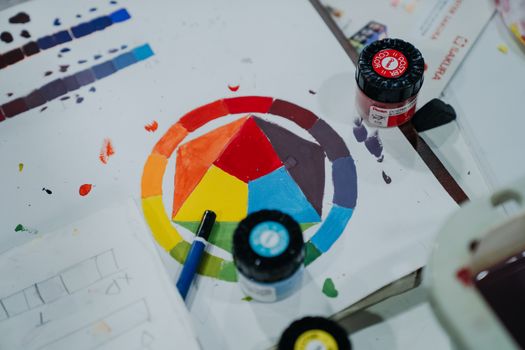
Learn the basics of primary, secondary, and tertiary colors. This fundamental knowledge will greatly expand your palette.

3
Practice Basic Techniques

Experiment with different brushstrokes, blending, and layering. Don't be afraid to make mistakes; they are part of the learning process.

4
Choose a Simple Subject

Begin with easy subjects like still life arrangements or simple landscapes. Focus on shapes and colors rather than intricate details.

Embarking on Your Artistic Journey: Why Start Painting?

The desire to create is a fundamental human instinct, and painting offers a unique and profoundly rewarding outlet for this innate drive. For many, the idea of how to start painting for beginners can feel daunting, conjuring images of complex techniques, expensive materials, and an inherent talent that seems out of reach. However, the truth is far simpler and much more inviting: anyone can learn to paint, regardless of age, background, or perceived artistic ability. The journey begins not with a masterpiece, but with a single brushstroke, a splash of color, and a willingness to explore. Painting is more than just putting color on a canvas; it's a meditative practice, a form of self-expression, and a powerful tool for stress relief. In our fast-paced, digitally-driven world, taking time to engage in a hands-on, creative activity can be incredibly grounding. It allows you to slow down, focus your mind, and tap into a different part of your brain. The act of mixing colors, observing light and shadow, and translating your perceptions onto a surface can be deeply therapeutic, fostering mindfulness and reducing anxiety. It’s an opportunity to disconnect from external pressures and reconnect with your inner self. Beyond the mental health benefits, painting also sharpens your observational skills. You begin to see the world differently, noticing nuances in color, texture, and form that you might have previously overlooked. A simple apple on a table transforms into a complex interplay of light, reflection, and subtle color shifts. This heightened awareness can enrich your daily life, making you more appreciative of the beauty around you. Moreover, painting fosters problem-solving skills. Each piece presents a series of challenges – how to achieve a certain shade, how to create depth, how to convey emotion – and finding solutions to these artistic puzzles can be incredibly satisfying. It builds resilience and encourages a 'can-do' attitude that extends beyond the canvas. Another compelling reason to start painting is the sheer joy of creation and the sense of accomplishment it brings. There's an unparalleled satisfaction in seeing your vision come to life, even if it's just a simple sketch or a basic color study. It's a tangible representation of your effort and imagination. This sense of achievement can boost confidence and encourage further exploration. Furthermore, painting opens doors to a vibrant community of fellow artists. Whether online or in local classes, connecting with others who share your passion can provide inspiration, feedback, and camaraderie. It's a journey of continuous learning and discovery, where every stroke is a step forward. So, if you've ever felt the slightest pull towards the easel, now is the perfect time to answer that call and begin your transformative artistic adventure. The only prerequisite is curiosity and a willingness to try.

Essential Supplies for the Aspiring Painter: What You Really Need

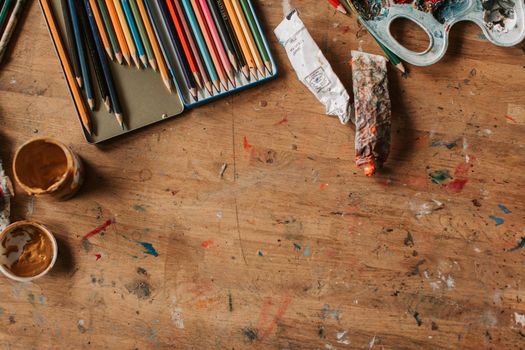
When you're first learning how to start painting for beginners, the sheer volume of art supplies available can be overwhelming. Don't fall into the trap of thinking you need every single item in the art store. A minimalist approach is best to begin, allowing you to experiment without a significant financial investment. The key is to select versatile, good-quality basics that will serve you well as you learn fundamental techniques. Let's break down the absolute essentials. First, *paints*. For beginners, acrylic paints are highly recommended. They are water-soluble, meaning you can clean your brushes with just water, and they dry relatively quickly, allowing for easy layering and corrections. Acrylics are also incredibly versatile, working on various surfaces from canvas to paper. Start with a basic set of primary colors (red, blue, yellow), plus black and white. From these five colors, you can mix an astonishing array of hues. Brands like Liquitex Basics or Winsor & Newton Galeria offer good quality at an affordable price point for students. Next, *brushes*. You don't need a massive collection. A set of 3-5 brushes in varying shapes and sizes will suffice. Look for a flat brush (around 1/2 inch to 1 inch for broader strokes), a round brush (size 6 or 8 for details and lines), and perhaps a smaller detail brush. Synthetic brushes are excellent for acrylics as they hold their shape well and are easy to clean. Avoid very cheap brushes that shed bristles, as this can be frustrating. Then, *surfaces*. Canvas boards or stretched canvases are popular, but for practice, a pad of acrylic paper or even thick watercolor paper can be a more economical choice. These papers are designed to handle wet media without buckling too much. You can also repurpose cardboard or wood panels once primed. Starting with smaller surfaces (e.g., 8x10 or 9x12 inches) is less intimidating and allows you to complete pieces more quickly, building confidence. Don't forget a *palette* for mixing your paints. A simple plastic plate, a ceramic tile, or even a piece of wax paper works perfectly. For cleaning brushes, two *water containers* are ideal – one for initial rinsing and another for a cleaner rinse. An old jar or plastic cup will do. Finally, *paper towels or rags* are indispensable for wiping brushes and cleaning up spills. Optional but helpful additions include a *tabletop easel* to hold your canvas upright, which can improve your posture and perspective, and a *palette knife* for mixing paints or applying thick textures. Remember, the goal is to get started with minimal friction. You can always expand your collection as you discover your preferred style and needs. Focus on understanding how your chosen tools work and how they interact with the paint, rather than accumulating an excessive amount of gear.

Mastering Basic Techniques: Your First Steps on Canvas

Once you have your supplies, the next step in how to start painting for beginners is to dive into basic techniques. Don't aim for perfection; aim for experimentation and understanding. Think of these exercises as building blocks for your future masterpieces. **Color Mixing:** This is fundamental. Start with your primary colors (red, blue, yellow) and practice mixing them to create secondary colors (orange, green, purple). Then, add white to create tints (lighter versions) and black to create shades (darker versions). Experiment with mixing two primaries in different ratios to see how many variations you can achieve. Understanding how colors interact is crucial for creating depth, mood, and realism in your paintings. A color wheel can be a very helpful visual aid here. Don't just mix on your palette; try mixing directly on your painting surface to see the effect. **Brushstrokes:** Your brush is an extension of your hand, and learning to control it is vital. Experiment with different brushes you have. Use a flat brush to make broad, even strokes, then try turning it on its edge for thin lines. Use a round brush for varied line weights and delicate details. Practice making short, choppy strokes, long flowing strokes, dots, and swirls. Vary the pressure you apply – light pressure for soft lines, heavy pressure for bold marks. Observe how much paint your brush holds and how that affects the stroke. This practice builds muscle memory and confidence. **Layering and Blending:** Acrylics dry quickly, which can be both a blessing and a challenge. For layering, ensure the previous layer is dry before applying the next. This allows you to build up colors and textures without muddying them. For blending, you need to work quickly while the paint is still wet. Apply two colors side-by-side and gently drag your brush across the seam to create a smooth transition. You can also add a tiny bit of water to your brush to help with blending, but be careful not to make the paint too watery. Practice blending a light color into a dark one, and vice versa. **Texture:** Painting isn't just about color; it's also about texture. You can create texture by applying paint thickly (impasto) with a brush or a palette knife. Experiment with dabbing, stippling, and scraping techniques. You can also mix mediums into your acrylics, like gel medium or texture paste, to create even more pronounced effects. **Value Studies:** Before diving into full color, try doing some monochromatic paintings using only black, white, and shades of gray. This helps you focus on light and shadow, which are essential for creating form and depth. A strong value structure is the backbone of a successful painting, regardless of the colors used. Remember, these are exercises, not finished artworks. Don't be afraid to make a mess, to try something new, or to even scrap a practice piece. Each attempt teaches you something valuable and brings you closer to developing your unique artistic voice. The more you experiment with these basic techniques, the more comfortable and confident you'll become with your tools and materials.

Common Pitfalls and How to Overcome Them When Learning to Paint

Embarking on the journey of how to start painting for beginners is exciting, but like any new skill, it comes with its own set of challenges and common pitfalls. Being aware of these can help you navigate them more effectively and maintain your enthusiasm. **1. Expecting Instant Masterpieces:** This is perhaps the biggest hurdle. Many beginners get discouraged when their first few attempts don't look like something from a gallery. Art is a skill developed over time through practice and patience. Embrace the learning process, celebrate small victories, and understand that every artist, no matter how accomplished, started exactly where you are. **2. Over-Complicating the Subject:** Trying to paint an intricate portrait or a complex landscape as your very first project is a recipe for frustration. Start simple. Focus on basic shapes, a limited color palette, and clear light sources. A single piece of fruit, a simple geometric shape, or a basic abstract color study are excellent starting points. **3. Using Subpar Materials:** While you don't need the most expensive supplies, using extremely cheap paints or brushes can hinder your progress. Flimsy brushes that shed bristles or paints with poor pigment quality can make it difficult to achieve desired effects, leading to unnecessary frustration. Invest in decent student-grade materials; they offer a good balance of quality and affordability. **4. Not Understanding Color Value:** Value refers to the lightness or darkness of a color. Many beginners focus too much on hue (the color itself) and not enough on value, resulting in paintings that look flat. Practice value studies using only black, white, and grays to train your eye to see and reproduce different levels of light and shadow. **5. Fear of Making Mistakes:** This fear often leads to paralysis. Remember, paint is forgiving, especially acrylics. You can paint over mistakes, scrape off wet paint, or even start fresh. Each 'mistake' is a learning opportunity, revealing what doesn't work and guiding you towards what does. Let go of the need for perfection and embrace experimentation. **6. Neglecting Practice:** Like any skill, painting requires consistent practice. Even short, regular sessions are more beneficial than infrequent, long ones. Dedicate specific time slots to painting, even if it's just 15-30 minutes, to keep your skills sharp and your creativity flowing. **7. Painting in Isolation:** While painting can be a solitary activity, seeking feedback and inspiration from others can be incredibly valuable. Join an online community, take a local class, or simply share your work with a trusted friend. Constructive criticism helps you identify areas for improvement, and seeing others' work can spark new ideas. **8. Not Cleaning Brushes Properly:** Neglecting brush care can quickly ruin your tools. Always clean your brushes thoroughly with water and soap immediately after use, especially with acrylics. Dried paint can permanently damage bristles. By being mindful of these common pitfalls, you can set yourself up for a more enjoyable and productive painting journey. Remember that every stroke, every color mixed, and every challenge overcome is a step forward in your artistic development.

Comparison

FeatureAcrylic Paints (Best for Beginners)Oil Paints (Alternative 1)Watercolor Paints (Alternative 2)
Drying TimeFast (minutes)Very Slow (days to weeks)Fast (seconds to minutes)
CleanupWater & SoapMineral Spirits/TurpentineWater
VersatilityHigh (various surfaces, techniques)Medium (can be layered, blended)Medium (translucent washes)
Cost (Student Grade)Low to MediumMedium to HighLow to Medium
Ease of BlendingModerate (work quickly)Excellent (long open time)Difficult (dries fast, hard to re-wet)
OpacityOpaque (can be thinned)OpaqueTransparent
Required MediumsWater, Acrylic MediumsLinseed Oil, SolventsWater

What Readers Say

"This guide truly demystified how to start painting for beginners. I always thought I needed natural talent, but following these steps, I've already completed a few small canvases I'm proud of. The advice on supplies was spot on!"

Sarah J. · Austin, TX

"As someone who's always wanted to paint but felt overwhelmed, this article was a godsend. It broke down the process into manageable steps, making it incredibly easy to just pick up a brush and start. Highly recommend for anyone curious about painting."

Mark D. · Seattle, WA

"I used to think painting was too expensive and complicated. After reading this, I bought a basic acrylic set and painted my first landscape. The result wasn't perfect, but I actually finished something and felt a huge sense of accomplishment!"

Emily R. · Miami, FL

"The sections on basic techniques and common pitfalls were particularly helpful. I still struggle with blending sometimes, but knowing it's a common issue and getting tips on how to improve makes a big difference. A solid resource for beginners."

David L. · Chicago, IL

"I loved the emphasis on starting simple and not needing expensive gear. I've been using old cardboard as practice surfaces, and it's been fantastic for just getting comfortable with the paint and brushes. This guide truly makes how to start painting for beginners accessible to everyone."

Jessica M. · Denver, CO

Frequently Asked Questions

What is the absolute best type of paint for beginners?

Acrylic paints are widely considered the best choice for beginners. They are water-soluble, easy to clean up, dry quickly, and are versatile enough to be used on various surfaces and with different techniques. Their fast drying time allows for quick layering and corrections, reducing frustration for newcomers.

Do I need to be naturally talented to start painting?

Absolutely not! Painting, like any skill, is learned through practice, observation, and experimentation. While some individuals may have a natural inclination, dedication and consistent effort are far more important than innate talent. Everyone starts somewhere, and improvement comes with time.

How often should a beginner painter practice?

Consistency is key. Even short, regular practice sessions (e.g., 15-30 minutes a few times a week) are more beneficial than infrequent, long sessions. Regular engagement helps build muscle memory, reinforces learned techniques, and keeps your creative momentum going.

What is a reasonable budget for beginner painting supplies?

You can start painting for as little as $30-$50 for a basic set of student-grade acrylic paints, a few brushes, and a pad of paper. While higher-quality supplies exist, it's best to start affordably and upgrade as you develop your skills and identify your specific needs.

Is it better to learn from online tutorials or in-person classes?

Both have their merits. Online tutorials offer flexibility and a vast array of styles and techniques to explore from home. In-person classes provide direct feedback from an instructor, peer interaction, and a dedicated creative space. Many beginners find a combination of both to be most effective.

Who should consider learning how to start painting for beginners?

Anyone looking for a creative outlet, a stress-relieving hobby, a way to improve observational skills, or simply to explore their artistic side should consider learning to paint. It's suitable for all ages and requires no prior experience, just a willingness to try.

Are there any safety concerns with painting materials for beginners?

For most beginner-friendly paints like acrylics and watercolors, safety concerns are minimal. Ensure good ventilation, especially if using any solvents (though not typically needed for acrylics). Avoid ingesting paint and wash hands thoroughly after painting. Always read product labels for specific safety instructions.

What are some emerging trends in painting that beginners might explore?

Beginners might explore abstract expressionism for its freedom, digital painting as a complement to traditional methods, or incorporating mixed media elements like collage. Eco-friendly art practices, using sustainable materials, are also a growing trend that new artists can embrace from the start.

Ready to unleash your inner artist? This comprehensive guide on how to start painting for beginners provides all the foundational knowledge you need. Grab your supplies, embrace the process, and discover the immense joy and satisfaction of bringing your visions to life on canvas. Your creative journey starts now!

Topics: how to start painting for beginnersbeginner painting techniquespainting supplies for beginnerseasy painting ideasgetting started with art
Leo List
Brampton weed
Adultwork