Your Guide: how to start an art collection on a budget
start art collection budget

Your Guide: how to start an art collection on a budget

Uncover the secrets to building a meaningful and impressive art collection without overspending, even as a beginner.

Start Collecting Now

Key Takeaways

  • ✓ Collecting art on a budget is entirely possible and rewarding.
  • ✓ Focus on emerging artists, prints, and local art fairs.
  • ✓ Educating your eye and research are crucial for smart purchases.
  • ✓ Your personal taste and connection to the art are paramount.

How It Works

1
Define Your Taste & Goals

Understand what art truly resonates with you and what you hope to achieve with your collection. This clarity will guide your budget-friendly choices.

2
Research & Explore

Immerse yourself in the art world by visiting galleries, museums, and online platforms. This exposure will sharpen your eye and reveal new possibilities.

3
Set a Realistic Budget

Determine how much you can comfortably spend on art without financial strain. Remember, even small amounts can acquire significant pieces over time.

4
Strategize Your Purchases

Prioritize original prints, works by emerging artists, and art from less conventional sources. Patience and smart sourcing are key to affordability.

Demystifying Art Collecting: It's Not Just for the Rich
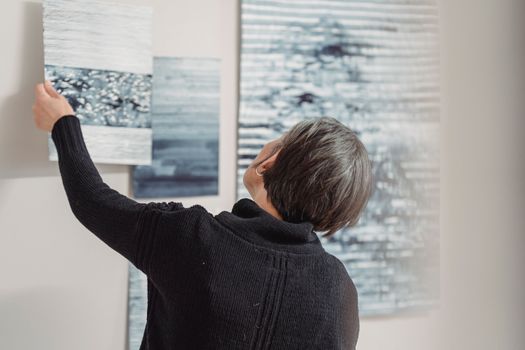
A woman arranges abstract art pieces on a gallery wall, showcasing modern creativity. Photo: Greta Hoffman / Pexels
For many, the idea of starting an art collection conjures images of exclusive auction houses, exorbitant price tags, and discerning connoisseurs with bottomless pockets. This perception, while glamorous, is far from the whole truth, especially when considering how to start an art collection on a budget. The reality is that art collecting is a passion accessible to anyone, regardless of their financial standing. It’s about cultivating an appreciation for beauty, supporting creativity, and building a personal narrative through visual expression. The democratization of art, fueled by online platforms, pop-up galleries, and a growing emphasis on local and emerging talent, has made it easier than ever for individuals to acquire meaningful pieces without needing a trust fund. The initial hurdle for many aspiring collectors is often psychological – the belief that they lack the 'eye' or the 'funds' to begin. However, the most successful and fulfilling collections are built not on monetary value alone, but on a deep, personal connection to the works. Your taste is unique, and what resonates with you might be an overlooked gem to another. This section aims to dismantle those myths and empower you to see art collecting as an attainable and enriching endeavor. We’ll explore how to shift your mindset from 'can't afford it' to 'how can I find it affordably,' paving the way for a collection that reflects your identity and passions. This journey begins by understanding that 'budget' doesn't equate to 'lesser quality' or 'insignificant.' Instead, it signifies a smart, strategic approach to acquiring art that holds both aesthetic and personal value. Think of it as a treasure hunt where the greatest reward is the discovery itself, rather than the price tag. The joy of collecting comes from the hunt, the research, the interaction with artists, and the eventual display of pieces that speak to your soul. By focusing on these intrinsic values, you can sidestep the often-intimidating commercial aspects of the art world and forge your own path. This foundational understanding is crucial for anyone wondering how to start an art collection on a budget, as it grounds the entire process in personal meaning rather than financial speculation. Embracing this perspective will open up a world of possibilities, revealing that the art market is far more diverse and accommodating than often portrayed, with numerous avenues for thoughtful and affordable acquisitions awaiting the discerning and patient collector. It's about building a collection that tells your story, piece by piece, without ever having to compromise on your financial well-being.

Strategic Sourcing: Where to Find Affordable Art
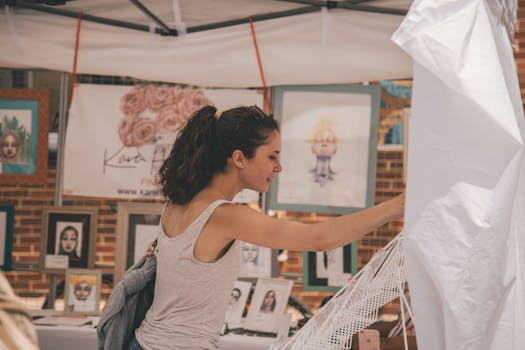
A young woman browsing art prints at an outdoor market stall. Photo: Craig Adderley / Pexels
When you're figuring out how to start an art collection on a budget, knowing where to look is half the battle. Forget the high-end galleries for now; the real treasures for budget-conscious collectors lie in less conventional, but equally rewarding, venues. One of the most fruitful avenues is exploring local art fairs and open studio events. These events are fantastic opportunities to meet artists directly, understand their creative process, and often purchase works at more accessible prices than through a gallery. Artists at these events are typically emerging or mid-career and are keen to sell their work and build a following, making them more open to direct sales and sometimes even negotiation. Plus, buying directly from an artist fosters a personal connection that can enrich your collecting experience immeasurably. Online platforms have revolutionized art accessibility. Websites like Saatchi Art, Etsy (for handmade art), Society6, and Artfinder offer a vast selection of original works, prints, and limited editions from artists worldwide. These platforms often feature filters for price range, medium, and style, making it easy to discover pieces within your budget. Be sure to scrutinize artist profiles, reviews, and detailed images, and don't hesitate to contact the artist directly with questions. Additionally, university art shows and MFA graduate exhibitions are often overlooked goldmines. Students and recent graduates are creating fresh, innovative work, and their pieces are typically priced to sell as they begin their careers. You might discover the next big name before they hit the mainstream, acquiring a significant piece for a fraction of its future value. These exhibitions also provide a glimpse into the future of art, offering a chance to engage with avant-garde ideas and techniques. Another excellent strategy is to consider original prints, multiples, and photography. A limited edition print by a renowned artist can be significantly more affordable than their unique paintings or sculptures. Look for signed and numbered editions to ensure authenticity and value. Photography, too, often offers large-format, impactful pieces at a lower price point than traditional painting. Finally, don't discount charity auctions, thrift stores, and estate sales. While these require a keen eye and a bit of luck, you can sometimes unearth forgotten masterpieces or unique decorative pieces that add character and history to your collection. The key across all these sourcing methods is patience, persistence, and a willingness to explore beyond the obvious. Each venue offers a unique opportunity to how to start an art collection on a budget, proving that beautiful and meaningful art is within reach for everyone.

Building Your Eye: Educating Yourself as a Collector

A student decorates a notebook with stickers and colorful supplies, engaging in a creative art project. Photo: cottonbro studio / Pexels
To truly succeed in how to start an art collection on a budget, developing a discerning eye is as crucial as finding the right sources. This isn't about being an art historian, but rather cultivating an informed appreciation for what makes a piece compelling, authentic, and potentially valuable. Start by immersing yourself in art. Visit museums, galleries (even if you're not buying), and online exhibitions regularly. Pay attention to different styles, mediums, and periods. What kind of art truly excites you? What emotions does it evoke? What themes resonate with your personal experiences or worldview? This foundational exploration will help you define your aesthetic preferences and prevent impulsive purchases that you might later regret. Think of it as training your visual palate, much like a sommelier develops a taste for wine. Beyond just looking, delve into learning. Read art books, magazines, and reputable art blogs. Follow art critics and institutions on social media. Understanding art history, movements, and the context in which art is created will deepen your appreciation and inform your choices. For instance, knowing about the different printmaking techniques (etching, lithography, screenprint) can help you identify high-quality prints versus mass-produced reproductions. Familiarize yourself with the concept of provenance – the history of ownership for a piece of art. While less critical for very low-cost items, understanding provenance becomes more important as you invest slightly more, providing assurance of authenticity and contributing to a piece's story. Learning about art is an ongoing process that enriches the collecting journey itself. When evaluating a piece, consider its condition. Is it well-preserved? Are there signs of damage or poor restoration? While minor imperfections might be acceptable for a budget piece, significant damage can diminish its aesthetic appeal and future value. Don't be afraid to ask questions about the artist's background, their artistic statement, and how the piece fits into their broader body of work. A confident artist who can articulate their vision is often a good sign. Moreover, consider the narrative potential of the art. Does it tell a story? Does it provoke thought? Does it complement other pieces you own or plan to acquire? A coherent collection, even if diverse in style, often has an underlying thematic or aesthetic thread. Developing your eye is a continuous journey, but with each piece you encounter and each bit of knowledge you gain, you'll become a more confident and discerning collector, capable of making smart, budget-friendly decisions that build a truly personal and meaningful collection.

Smart Investing & Avoiding Common Mistakes
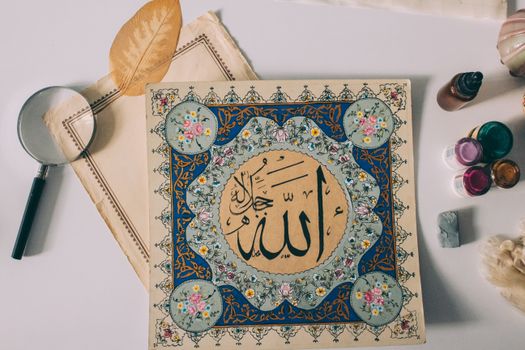
Beautiful Islamic calligraphy artwork surrounded by creative tools on a flat lay setting. Photo: Sedanur Kunuk / Pexels
While the primary goal of how to start an art collection on a budget is personal enjoyment, making smart choices can also lead to pieces that appreciate in value over time. This isn't about becoming a market speculator, but rather about making informed decisions that protect your investment and potentially offer a pleasant return. One crucial tip is to always buy the best quality you can afford. A well-executed piece by an unknown artist is often a better long-term acquisition than a mediocre piece by a slightly more recognized name. Focus on craftsmanship, originality, and the artist's potential for growth. Investigate if the artist has received any awards, been featured in reputable local shows, or is collected by institutions. **Common Mistakes to Avoid:** * **Buying for Investment Alone:** While potential appreciation is a bonus, never buy a piece you don't genuinely love. Art that speaks to you will bring joy regardless of its market value. * **Impulse Purchases:** Take your time. Walk away and think about a piece before committing. A truly great piece will still be great tomorrow. * **Ignoring Condition:** Significant damage can drastically reduce value. Always inspect art carefully and ask about any restoration or flaws. * **Overpaying for Frames:** A good frame enhances art, but an expensive frame on a cheap print won't make the print valuable. Focus your budget on the art itself. * **Not Researching the Artist:** Understand their background, other works, and exhibition history. This due diligence can prevent regrettable purchases. * **Buying Reproductions:** Unless it's a high-quality, signed, and numbered limited edition print, steer clear of mass-produced reproductions if you're aiming for a true collection. * **Ignoring Your Gut:** If a piece doesn't feel right, even if it's a good deal, it's probably not the right one for your collection. Another smart move is to consider joining local art groups or online collector forums. These communities can provide invaluable advice, share leads on emerging artists, and even offer opportunities for group purchases or trades. Learn to distinguish between an original work, a limited edition print, and an open edition print. While all can be beautiful, their market value and collectibility differ significantly. Limited edition prints, signed and numbered by the artist, hold more value than open editions. Ultimately, building an art collection on a budget is an ongoing learning process. Each purchase, each gallery visit, and each conversation with an artist contributes to your expertise and refines your eye. By avoiding these common pitfalls and focusing on informed, passion-driven choices, you can build a collection that is both personally enriching and potentially valuable.

Comparison

FeatureEmerging Artist OriginalsLimited Edition PrintsOnline Art MarketplacesThrift Stores/Estate Sales
Price RangeLow to Mid ($100-$1000+)Low to Mid ($50-$500)Varied ($20-$2000+)Very Low (Often <$50)
UniquenessOne-of-a-kindNumbered edition (finite)Originals, prints, photosUnique finds, often vintage
Artist InteractionDirectly possibleSometimes via gallery/artistOften via platformRarely
Potential Value GrowthHigh (if artist gains recognition)Moderate (if artist gains recognition)VariedLow (unless rare discovery)
Authenticity Assurance✓ (from artist/gallery)✓ (signed/numbered)Varied (check seller reputation)✗ (requires expert eye)

What Readers Say

"This guide completely changed my perspective on how to start an art collection on a budget. I thought I needed thousands, but I've started with beautiful prints and emerging artist pieces I adore. It's so empowering!"

Sarah J. · Austin, TX

"I was overwhelmed by the art world, but this article broke it down perfectly. The tips on finding local art fairs and online platforms were invaluable. I just bought my first original piece for under $300!"

Mark D. · Seattle, WA

"Thanks to this resource, I've curated a small collection of vibrant art that truly reflects my personality. I focused on artists from my community, and the personal connection makes the art even more special. It's proof you can start an art collection on a budget and still get incredible pieces."

Emily R. · Brooklyn, NY

"While some advice felt familiar, the depth on educating your eye and strategic sourcing was genuinely helpful. I'm taking a more structured approach now, and it's making the process of how to start an art collection on a budget much more enjoyable and less intimidating."

David L. · Chicago, IL

"As a student, I thought art collecting was a distant dream. This guide showed me how to start an art collection on a budget by focusing on student shows and affordable prints. My dorm room is now a mini-gallery, and I'm loving it!"

Jessica M. · Miami, FL

Frequently Asked Questions

What's the absolute minimum I need to spend to start an art collection?

You can start with as little as $20-$50 for a high-quality print or a small original piece from an emerging artist. The key is to prioritize art you love, regardless of price, and build gradually. Don't feel pressured to spend a lot upfront; many valuable collections begin with modest acquisitions.

Won't cheap art look cheap in my home?

Not at all. 'Budget' doesn't mean 'low quality.' A well-chosen, original piece from an emerging artist, or a high-quality limited edition print, can look sophisticated and meaningful. Presentation matters too; good framing and thoughtful placement can elevate any piece of art.

How do I know if an emerging artist's work will increase in value?

There's no guarantee, but you can increase your odds by looking for artists with a consistent body of work, participation in reputable shows, positive reviews, and strong artist statements. Ultimately, buy what you love first; any appreciation in value is a bonus.

Is it better to buy one expensive piece or several cheaper ones?

It depends on your personal goals and aesthetic. If you're looking for a single statement piece, saving for a more significant investment might be appropriate. If you prefer variety and enjoy the process of discovery, several smaller, affordable pieces can be more rewarding and allow you to explore different styles and artists.

How do online art marketplaces compare to physical galleries for budget collecting?

Online marketplaces often offer a wider selection and more competitive pricing from a global pool of artists, making them excellent for budget collecting. Physical galleries, while potentially pricier, offer the advantage of seeing art in person and building relationships with gallerists, which can be invaluable over time.

Who is this guide for when considering how to start an art collection on a budget?

This guide is for anyone passionate about art who believes collecting is out of reach due to financial constraints. It's perfect for first-time buyers, students, young professionals, or anyone looking to enrich their living space with meaningful art without a large initial investment.

What are the risks of buying art from unknown sources, like thrift stores?

The main risk is authenticity. While you might stumble upon a hidden gem, it's crucial to manage expectations. Pieces from unknown sources rarely come with provenance, making it difficult to verify the artist or value. Buy these pieces for their aesthetic appeal rather than as an investment.

What are the emerging trends in affordable art collecting?

Current trends lean towards digital art (NFTs, though often not budget-friendly initially), street art-inspired pieces, abstract works, and art with strong social or environmental messaging. Also popular are handcrafted ceramics, textile art, and small-scale sculptures, reflecting a desire for unique, tactile experiences.

Ready to transform your space and enrich your life with art? Follow these strategies on how to start an art collection on a budget and embark on a fulfilling journey of discovery. Your unique collection awaits – start building it today!

Topics: start art collection budgetaffordable art collectingbuying art cheapemerging artistsfirst art purchase
Leo List

DK Escorts LU Escorts AT Escorts SE Escorts FI Escorts CH Escorts DE Escorts HR Escorts IE Escorts GR Escorts CZ Escorts NO Escorts BE Escorts FR Escorts SI Escorts IL Escorts NL Escorts PL Escorts HU Escorts ES Escorts IT Escorts PT Escorts SK Escorts RO Escorts ZA Escorts UY Escorts US Escorts UK Escorts NZ Escorts AU Escorts
Brampton weed
Adultwork EstrelaBet Vai de Bet R7 Bet Betão Galera Bet Rainbet Bet9ja Shop SportyBet BetKing Sisal Loto Foot Hollywoodbets YesPlay Odibets RushBet Jugabet BetWarrior BetCity MSport betPawa Fortebet