How to Sell Art Online for Beginners: Your Ultimate Guide
sell art online

How to Sell Art Online for Beginners: Your Ultimate Guide

Turn your passion into profit: discover the essential steps to successfully sell your art online, starting today.

Start Selling Now

Key Takeaways

  • ✓ Over 60% of art buyers now purchase art online.
  • ✓ The online art market is projected to reach $13.3 billion by 2025.
  • ✓ You don't need a gallery to start selling your art.
  • ✓ High-quality photography is crucial for online art sales.

How It Works

1
Define Your Art & Audience

Understand your unique artistic style and identify who your ideal buyer is. This clarity will inform all your marketing efforts.

2
Create a Digital Showcase

Photograph your artwork professionally and choose the best online platform(s) to display your portfolio. Consistency is key here.

3
Price & Prepare for Sale

Set competitive pricing for your pieces and establish clear shipping and return policies. Transparency builds trust with buyers.

4
Market & Engage

Actively promote your art across various channels and engage with potential collectors. Building a community around your work is vital for long-term success.

Understanding the Online Art Market and Your Niche
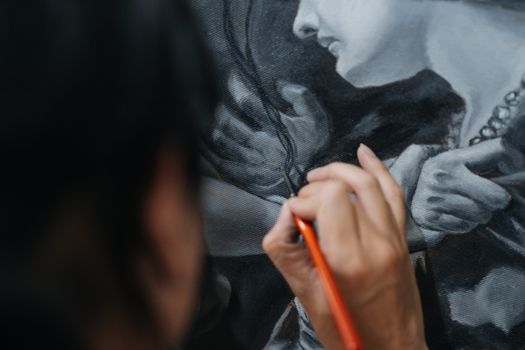
Close-up of artist carefully painting a detailed portrait using fine brushes. Photo: Huy Nguyễn / Pexels
The digital age has revolutionized how art is bought and sold, making it more accessible than ever for artists to reach a global audience. For beginners, understanding this landscape is the first critical step to success. Gone are the days when a physical gallery was the only path to showing and selling your work. Today, the online art market is a vibrant, expanding ecosystem, offering unparalleled opportunities for artists of all levels. The sheer volume of art available online can feel overwhelming, but it also means there's a place for every unique voice. The key is not to try and appeal to everyone, but to identify and cultivate your specific niche. What kind of art do you create? Is it abstract expressionism, hyperrealism, digital art, sculpture, photography, or something entirely new? Your style, medium, and subject matter define your artistic identity. Before you even think about platforms or pricing, take the time to truly understand what makes your art unique. What message do you want to convey? What emotions do you want to evoke? Your authenticity is your greatest asset. Once you have a clear picture of your art, the next step is to identify your ideal audience. Who is most likely to appreciate and purchase your work? Are they seasoned collectors, first-time buyers, interior designers, or individuals looking for unique gifts? Researching your potential buyers involves more than just guessing. Look at other artists in your genre who are successfully selling online. What kind of language do they use? What demographics do their followers typically fall into? Understanding your audience will dictate your marketing strategy, from the tone of your social media posts to the platforms you choose to sell on. Developing a strong artist statement is also crucial at this stage. This is a concise, compelling description of your work, your vision, and your process. It helps potential buyers connect with your art on a deeper level and understand the story behind each piece. Think of it as your artistic elevator pitch. It should be authentic, engaging, and reflective of your unique perspective. Furthermore, consider the practical aspects of your art. Is it framed or unframed? What are the typical sizes? Is it ready to hang? These details, while seemingly minor, can significantly impact a buyer's decision and their overall experience. By thoroughly understanding your art and its place in the broader online market, you lay a robust foundation for all your subsequent selling efforts. This initial introspection and market research are invaluable and will guide you through the more technical aspects of setting up your online presence. Without this clarity, your efforts might be scattered and less effective. Learn more about defining your artistic brand.

Choosing the Right Online Platforms and Showcasing Your Work
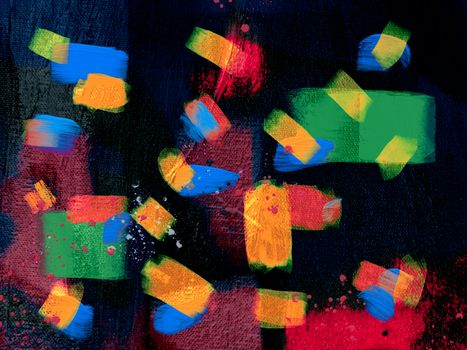
Bold and colorful abstract expressionist painting with textured brushstrokes and vibrant shapes. Photo: Steve A Johnson / Pexels
Once you have a clear understanding of your art and your target audience, the next critical step is selecting the right online platforms to showcase and sell your work. The digital world offers a plethora of options, each with its own advantages and disadvantages, and what works best for one artist might not be ideal for another. It’s not about being on every platform, but being on the right platforms where your ideal buyers are actively looking. Some popular choices include dedicated art marketplaces, e-commerce platforms, and your own artist website. Dedicated art marketplaces like Etsy, Saatchi Art, and Artfinder are excellent starting points for beginners. They offer built-in audiences, established trust, and often handle much of the technical backend, from payment processing to basic marketing tools. Etsy, for example, is fantastic for unique, handmade items and has a massive global user base. Saatchi Art and Artfinder cater specifically to fine art, attracting more serious collectors. The downside to these platforms can be the competition and the fees (listing fees, transaction fees, commission on sales), which can eat into your profits. However, the exposure they provide often outweighs these costs for artists just starting out. Always read their terms and conditions carefully to understand the fee structure and what services they provide. For those who want more control and a professional, branded presence, building your own artist website using platforms like Squarespace, Shopify, or Wix is an excellent long-term strategy. While it requires more initial setup and ongoing maintenance, a personal website allows you to fully customize your brand, keep 100% of your sales (minus payment processing fees), and build direct relationships with your collectors. You can integrate a blog, email list sign-ups, and detailed artist statements, creating a comprehensive online home for your art. Many artists start with a marketplace to gain initial traction and then transition to, or supplement with, their own website as their brand grows. Regardless of the platform, the quality of your artwork photography is paramount. In the online world, your images are your storefront. Poorly lit, blurry, or unprofessionally presented photos will deter buyers instantly. Invest time in learning how to photograph your art properly. Use natural, even lighting, ensure accurate color representation, and provide multiple angles, close-ups, and even in-situ shots (showing the art in a room setting) to help buyers visualize the piece in their own space. Consider investing in a good camera or hiring a professional photographer if your budget allows. Each piece should have a compelling title, a detailed description, dimensions, medium, and any relevant story behind its creation. Transparency about materials, framing, and whether it’s a unique piece or part of an edition builds trust. Remember, your online presence is your digital gallery; make it as inviting and professional as possible to capture the attention of potential buyers.

Pricing Your Artwork and Mastering Logistics
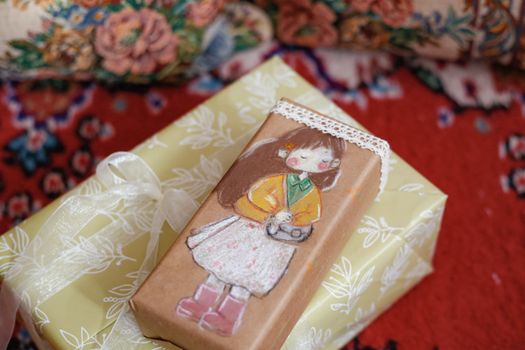
Colorful hand-painted gift box on decorative rug, featuring cute illustration. Photo: betül nur akyürek / Pexels
Determining the right price for your artwork is one of the most challenging aspects for any artist, especially for beginners selling online. There's a delicate balance between valuing your time and skill, covering your costs, and making your art accessible to your target audience. Underpricing can devalue your work and your brand, while overpricing can deter potential buyers. A common mistake is to price based purely on emotion or comparison with wildly established artists. Instead, adopt a more systematic approach. Start by calculating your costs. This includes materials (canvas, paint, brushes, paper, ink, software licenses, etc.), framing (if applicable), and any studio overheads. Then, factor in your time. How many hours did you spend on the piece? What do you believe your hourly rate should be, considering your skill level and experience? A common formula for emerging artists is (Cost of Materials + Hourly Rate x Hours Spent) x 2. This multiplier accounts for your profit margin and other indirect costs. Another approach is to price by square inch or linear inch, especially for paintings and prints. For example, $1-$5 per square inch for an emerging artist. A 16x20 inch painting at $2 per square inch would be $640. As your reputation grows, so too can your prices. Research what similar artists at your career stage are charging for comparable work. Don't compare yourself to a renowned artist with decades of experience, but look for peers with similar styles and followings. Be consistent with your pricing across all platforms; discrepancies can confuse buyers and undermine your credibility. Discover more about effective art pricing strategies. Beyond pricing, mastering the logistics of selling art online is crucial for a smooth operation and happy customers. This includes secure packaging, reliable shipping, and clear return policies. Packaging art correctly is vital to prevent damage during transit. Use high-quality, acid-free materials, multiple layers of protection (bubble wrap, foam board, corner protectors), and sturdy boxes. For larger pieces, consider crating. Always clearly label packages as 'FRAGILE' and 'ARTWORK'. Research different shipping carriers (USPS, FedEx, UPS) and their services. Compare costs, delivery times, and insurance options. Always insure your artwork for its full value; this protects both you and the buyer in case of loss or damage. Provide tracking information to your buyers promptly so they can follow their purchase. Your return policy should be clear, concise, and easily accessible on your website or marketplace shop. While you want to protect your business, a reasonable return policy (e.g., 7-14 days for returns if the buyer pays return shipping) can build buyer confidence. Be prepared for potential returns and have a process in place to handle them professionally. Finally, consider international shipping early on if you plan to sell globally. This involves understanding customs forms, duties, and taxes, which can be complex. While it opens up a larger market, it also adds layers of logistical complexity that beginners might want to tackle once they've mastered domestic sales.

Marketing Your Art and Building a Collector Base: Essential Tips
Close-up of wooden letter blocks spelling 'Social Media' on a wooden grid. Photo: Ann H / Pexels
Having stunning artwork and a professional online presence is only half the battle; the other half is effectively marketing your art and building a loyal collector base. Marketing isn't just about selling; it's about telling your story, connecting with people, and creating a community around your artistic vision. For beginners, this can feel daunting, but starting small and being consistent will yield significant results. Here are some essential tips for marketing your art online: * **Leverage Social Media:** Platforms like Instagram, Pinterest, and Facebook are visual goldmines for artists. Instagram, in particular, is a powerful tool for showcasing your work in progress, behind-the-scenes glimpses of your studio, and finished pieces. Use relevant hashtags (e.g., #abstractart, #contemporarypainting, #artforsale, #artistsoninstagram) to increase discoverability. Engage with other artists and potential collectors by commenting, liking, and sharing. Pinterest is excellent for driving traffic to your website or shop, as users are often looking for inspiration and products to buy. * **Email Marketing is King:** While social media algorithms can be unpredictable, an email list gives you direct access to your most engaged followers. Offer a compelling reason for people to sign up (e.g., a free desktop wallpaper, early access to new collections, exclusive discounts). Regularly send out newsletters with updates on new art, studio insights, upcoming shows, and personal stories. This builds a deeper connection and nurtures potential buyers. * **Tell Your Story:** People buy art for emotional reasons. Share the inspiration behind your pieces, your creative process, and your journey as an artist. This personal touch differentiates you from others and helps collectors feel a stronger connection to your work. Use your website's 'About Me' page, blog posts, and social media captions to weave compelling narratives. * **Collaborate and Network:** Connect with other artists, local businesses, and influencers in the art world. Collaborations can expose your work to new audiences. Participate in online art challenges, virtual exhibitions, or local art fairs (even if online initially) to expand your network and gain visibility. * **Offer Value Beyond the Art:** Consider offering prints, merchandise (e.g., mugs, phone cases, t-shirts with your art), or even workshops if you're comfortable. This can create additional revenue streams and make your art accessible at different price points, attracting a wider range of buyers. * **Run Targeted Ads (Optional):** Once you have a clear understanding of your audience and a small budget, consider running targeted ads on platforms like Facebook or Instagram. These can be very effective in reaching specific demographics who are likely to be interested in your art. * **Engage with Your Audience:** Respond to comments, answer questions, and thank buyers for their purchases. Building relationships and providing excellent customer service fosters loyalty and encourages repeat business and referrals. Word-of-mouth is still one of the most powerful marketing tools. By consistently applying these marketing strategies, you'll not only sell more art but also build a thriving community around your creative practice, transforming your passion into a sustainable career.

Comparison

FeatureYour Own Website (e.g., Shopify)EtsySaatchi ArtArtfinder
Control & BrandingFullLimitedLimitedLimited
Fees & CommissionSubscription + Payment Processing (2-3%)Listing ($0.20) + Transaction (6.5%)Commission (35%)Commission (33%)
Audience ReachBuild Your OwnMassive (Crafters/Unique)Dedicated Art BuyersDedicated Art Buyers
Setup DifficultyModerateEasyEasyEasy
Marketing ToolsExtensive (SEO, Email, Ads)Basic (Etsy Ads)Basic (Platform promotion)Basic (Platform promotion)
Direct Customer Relationship

What Readers Say

"This guide was a lifesaver for me as a new artist. I had no idea how to even start selling online, but the step-by-step advice on pricing and platforms made it feel achievable. My first sale happened within a month of following these tips!"

Sarah P. · Austin, TX

"As someone who's been painting for years but never sold, the sections on marketing and audience were incredibly insightful. It helped me realize I needed to tell my story more. I've seen a significant increase in engagement on my social media."

Mark T. · Portland, OR

"I used the pricing formula from this article, and it gave me the confidence to value my work appropriately. I sold two pieces last month, and both buyers commented on the professional packaging, which was also a tip from here. Highly recommend!"

Jessica L. · Miami, FL

"The information on choosing platforms was very thorough, though I found the website creation part a bit more complex than anticipated for a beginner. Still, the overall guidance on how to sell art online for beginners is top-notch."

David R. · Chicago, IL

"I was overwhelmed by all the options, but this guide clearly laid out how to sell art online for beginners. The focus on defining my niche really helped me narrow down my strategy and connect with the right collectors."

Emily K. · Denver, CO

Frequently Asked Questions

What's the absolute first step I should take to sell art online?

The absolute first step is to define your unique artistic style and identify your target audience. Understanding what kind of art you make and who it appeals to will guide all subsequent decisions, from platform selection to marketing strategies. Without this clarity, your efforts might be unfocused and less effective in the competitive online market.

Is it really possible to make a living selling art online as a beginner?

Yes, it is absolutely possible, but it requires dedication, consistent effort, and a strategic approach. While it may not happen overnight, many artists have successfully built full-time careers through online sales. Start with clear goals, build a strong online presence, continuously market your work, and engage with your audience, and you can certainly grow your art business.

How do I photograph my artwork if I don't have professional equipment?

You can get excellent results even without professional equipment. Use natural, indirect sunlight (e.g., near a window but not in direct sun) to avoid harsh shadows. Use a tripod or stable surface to prevent blur, and ensure your camera (even a smartphone) is level. Pay attention to color accuracy and crop out distracting backgrounds. Many free photo editing apps can help with minor adjustments.

What are common mistakes beginners make when pricing their art?

Common mistakes include underpricing their work out of insecurity, overpricing compared to their experience level, or pricing inconsistently across different pieces or platforms. Beginners often forget to factor in material costs, time spent, and marketing efforts. It's crucial to research similar artists and use a consistent formula to ensure fair and competitive pricing.

Should I start with my own website or an established marketplace like Etsy or Saatchi Art?

For beginners, starting with an established marketplace like Etsy or Saatchi Art can be beneficial due to their built-in audience and easier setup. This allows you to gain initial sales and experience. As your brand grows and you accumulate a following, consider investing in your own professional website to gain more control over your brand, avoid commission fees, and build direct customer relationships.

Who should use this guide on how to sell art online for beginners?

This guide is specifically designed for aspiring artists, hobbyists, or those new to the art business who want to learn the fundamental steps and strategies for successfully selling their artwork online. If you're passionate about your art but unsure how to turn it into a profitable venture in the digital space, this resource is for you.

What are the biggest risks when selling art online?

The biggest risks include damage to artwork during shipping, fraudulent buyers, intellectual property theft (unauthorized use of your images), and struggling to stand out in a crowded market. Mitigate these by using robust packaging and shipping insurance, secure payment processors, watermarking your images, and consistently marketing your unique brand.

How will AI and new technologies impact selling art online in the future?

AI and new technologies will likely enhance personalization for buyers, offer advanced tools for artists (e.g., AI-assisted marketing, virtual reality exhibitions), and potentially introduce new forms of digital art sales like NFTs. While they present new opportunities for reach and engagement, the core principles of creating unique art and connecting with an audience will remain paramount.

Ready to transform your artistic passion into a thriving online business? This comprehensive guide on how to sell art online for beginners provides all the tools and insights you need to get started. Don't let uncertainty hold you back – begin your journey as a successful online art seller today!

Topics: sell art onlineart marketing for beginnersonline art platformspricing artworkart business tips
Leo List

IE Escorts NO Escorts US Escorts NZ Escorts AU Escorts
Brampton weed
Adultwork EstrelaBet Vai de Bet R7 Bet Betão Galera Bet Rainbet Bet9ja Shop SportyBet BetKing Sisal Loto Foot Hollywoodbets YesPlay Odibets RushBet Jugabet BetWarrior BetCity MSport betPawa Fortebet