✓ Limited edition prints offer exclusivity and potential investment value.
✓ Authentication (certificate of authenticity, artist signature) is crucial.
✓ Print quality, medium, and artist reputation significantly impact value.
✓ Understanding edition sizes and numbering is key to assessing rarity.
How It Works
1
Define Your Taste & Budget
Before diving in, consider what styles, artists, and themes resonate with you. Establish a realistic budget to narrow down your search effectively.
2
Research Artists & Galleries
Explore artists whose work you admire and reputable galleries or online platforms specializing in fine art prints. Look for established names and emerging talents.
3
Verify Authenticity & Provenance
Always ensure prints come with a Certificate of Authenticity (COA) and are signed and numbered by the artist. Understand the printmaking process used.
4
Assess Condition & Frame
Carefully inspect the print for any damage, fading, or imperfections. Consider professional framing with archival materials to protect your investment.
Understanding the Value of Collectible Art Prints
Photo: WASSIM AHMED / Pexels
Embarking on the journey to buy limited edition fine art prints is a venture into a world where aesthetics meet investment potential. Unlike open edition prints, which can be reproduced indefinitely, limited editions are produced in a finite number, making each piece inherently more exclusive and often more valuable. This exclusivity is a cornerstone of their appeal, driving both their artistic and monetary worth. The value of a limited edition print isn't merely in its visual appeal; it's intricately tied to several factors, including the artist's reputation, the edition size, the printmaking technique, and the overall condition of the piece. An artist with a strong market presence, a history of successful exhibitions, and a growing collector base will naturally command higher prices for their prints. Think of renowned photographers or painters whose works are instantly recognizable; their limited editions are highly sought after.
Beyond the artist's fame, the edition size plays a critical role. A smaller edition, say 10 to 50 prints, will generally be more valuable than an edition of 250 or 500, simply due to its scarcity. Collectors often seek out lower numbers within an edition (e.g., 1/50, 2/50), believing these to be more desirable, though technically all prints within a numbered edition are considered equal in value. The printmaking technique also contributes significantly. Traditional methods like etching, lithography, or silkscreen, which often involve a high degree of artistic skill and manual labor, are often valued differently from giclée prints, which are digital reproductions. While giclée can achieve incredible detail and color accuracy, the perceived 'hand-touched' quality of traditional methods can sometimes give them an edge in the collector's market.
Provenance, or the history of ownership, is another crucial element. A print with a documented history, especially if it has been exhibited or belonged to a notable collection, can add to its allure and authenticity. When you invest in art, you're not just purchasing an object; you're acquiring a piece of history, an artist's vision, and a potential asset. Understanding these nuances empowers you to make informed decisions, ensuring that your acquisition is not only aesthetically pleasing but also a sound addition to your collection. The market for fine art prints is dynamic, influenced by trends, artist retrospectives, and global economic factors, making continuous research and engagement with the art world essential for any serious collector. Being well-informed allows you to navigate this exciting landscape with confidence and discernment, ultimately leading to more satisfying and potentially lucrative acquisitions. The beauty of collecting limited edition prints lies in the blend of personal enjoyment and the thrill of discovery, knowing that each piece holds a unique place in the broader art narrative.
Navigating Authentication and Provenance for Fine Art Prints
Photo: Tima Miroshnichenko / Pexels
One of the most critical aspects when you buy limited edition fine art prints is ensuring their authenticity and understanding their provenance. Without proper authentication, a print's value can be significantly diminished, and it may even be a counterfeit. The cornerstone of authenticity for fine art prints is the artist's signature and the edition number. Nearly all legitimate limited edition prints will be hand-signed by the artist, often in pencil below the image, and numbered (e.g., 5/100), indicating its sequence within the total edition. Some artists may also include a title or date. It's important to be aware of 'facsimile signatures' – printed signatures that are not hand-drawn by the artist – which typically denote an open edition or a less valuable reproduction.
Beyond the signature and numbering, a Certificate of Authenticity (COA) is a vital document. Issued by the artist, the artist's estate, a reputable gallery, or a publisher, a COA verifies the print's origin, edition size, printmaking technique, and sometimes even the specific materials used. Always request a COA when purchasing and ensure it contains detailed information. Cross-referencing the information on the COA with the print itself and any available artist records is a good practice. Beware of generic COAs that lack specific details about the artwork or are issued by unknown entities.
Provenance, the documented history of ownership, further strengthens a print's authenticity and can enhance its value. A well-documented provenance trail, showing that a print has passed through reputable hands or established galleries, provides a layer of security against fakes and reinforces its legitimacy. For older or more historically significant prints, provenance might include exhibition catalogs, auction records, or invoices from previous sales. While not all prints will have an exhaustive provenance history, especially newer ones, any available documentation adds to its credibility.
Understanding the specific printmaking process is also part of authenticating a print. Different techniques like etching, lithography, silkscreen, woodcut, or giclée leave distinct marks and characteristics. Familiarizing yourself with these can help you identify if a print matches its description. For example, a true etching will have a plate mark, while a silkscreen will often show a slightly raised ink texture. Reputable sellers should be able to explain the printmaking process and provide close-up images if you are buying online. Engaging with knowledgeable experts or art consultants can also provide invaluable guidance in verifying the authenticity of a print you are considering, especially for higher-value acquisitions. This diligence protects your investment and ensures you are acquiring a genuine piece of art history.
Choosing the Right Print Medium and Care for Longevity
Photo: HONG SON / Pexels
When you decide to buy limited edition fine art prints, the choice of print medium significantly impacts not only the aesthetic quality but also the longevity and archival properties of your artwork. Different printmaking techniques offer unique visual textures, color rendition, and durability. Understanding these distinctions is crucial for both appreciation and preservation. For instance, traditional photographic prints, often silver gelatin or chromogenic (C-prints), are known for their continuous tone and rich detail. Giclée prints, a popular digital printmaking method, use pigment-based inks on archival papers or canvases, offering exceptional color accuracy and fade resistance, often exceeding 100 years under proper conditions. Lithographs, etchings, and silkscreens, on the other hand, are tactile and often display the distinct marks of their manual creation process, adding to their unique character and appeal.
The medium also dictates specific care requirements. All fine art prints are susceptible to damage from light, humidity, temperature fluctuations, and airborne pollutants. UV light, whether from direct sunlight or even indoor lighting, is a primary culprit for fading and degradation of inks and paper. Therefore, displaying prints away from direct light sources and using UV-protective glazing when framing is highly recommended. Archival framing is paramount for the long-term preservation of your prints. This involves using acid-free mats, backing boards, and hinges to prevent discoloration and deterioration of the paper over time. Non-archival materials can cause acidic burns or 'mat burn' on the artwork, which is often irreversible. Professional framers specializing in fine art understand these requirements and can guide you through the best options for your specific print and environment.
Humidity and temperature control are equally important. High humidity can lead to mold growth or warping of the paper, while very dry conditions can make paper brittle. Stable environments, typically around 50-60% relative humidity and temperatures between 68-72°F (20-22°C), are ideal for art storage and display. Avoid hanging prints in bathrooms, kitchens, or near external walls where conditions fluctuate wildly. When handling prints, always wear clean cotton gloves to prevent transferring oils and dirt from your skin. Store unframed prints flat in acid-free portfolios or boxes, interleaved with acid-free tissue paper. Regularly inspect your prints for any signs of damage or deterioration. By choosing the right print medium and committing to proper archival care, you ensure that your limited edition fine art prints remain vibrant and valuable for generations to come, allowing you and future owners to continue to appreciate their beauty and significance. This meticulous approach to preservation is an integral part of being a responsible and informed art collector, safeguarding the integrity and investment of your cherished pieces. For more tips on preserving your art collection, consult experts.
Tips for Smart Investment and Avoiding Common Pitfalls
Photo: Rafael Minguet Delgado / Pexels
Investing in limited edition fine art prints can be a rewarding endeavor, both financially and aesthetically. To make smart investments and avoid common pitfalls, a strategic approach is essential. Firstly, always buy from reputable sources: established galleries, authorized dealers, and well-known online art platforms. These sources typically guarantee authenticity and provide transparent information about the artwork. Be wary of deals that seem too good to be true, especially from unknown sellers or auction sites without proper vetting processes. Researching the seller's reputation and track record is as important as researching the artist.
Diversify your collection. While it’s tempting to focus solely on one style or artist you love, a diverse collection can mitigate risks and potentially increase overall value. Explore different printmaking techniques, artists at various stages of their careers (both established and emerging), and different aesthetic movements. This not only enriches your personal enjoyment but also builds a more robust collection. For emerging artists, look for those with consistent exhibition histories, positive critical reviews, and growing institutional interest. Their prints might be more affordable now but could appreciate significantly over time.
One common pitfall is neglecting proper documentation. Always keep all purchase receipts, Certificates of Authenticity (COAs), provenance records, and any appraisal documents in a secure place. This paperwork is crucial for insurance purposes, future sales, and verifying the print's legitimacy. Another mistake is underestimating the cost of professional framing and insurance. These are not optional expenses but vital components of protecting your investment. Improper framing can cause irreversible damage, and without insurance, you risk losing your investment to theft, damage, or disaster.
Finally, avoid buying purely for investment. While financial appreciation is a possibility, art is not a liquid asset like stocks, and its market can be unpredictable. Buy art that you genuinely love and would be happy to live with, regardless of its future monetary value. This approach ensures that even if the print's market value doesn't skyrocket, you still own a piece that brings you joy and enriches your living space. Engaging with the art community, attending exhibitions, and continuously educating yourself about artists and market trends will sharpen your eye and help you make more informed decisions when you buy limited edition fine art prints. This blend of passion and pragmatism is key to successful art collecting.
Comparison
Feature
Limited Edition Print
Open Edition Print
Original Artwork
Exclusivity
High (finite number)
Low (unlimited)
Highest (one-of-a-kind)
Artist Signature
Typically hand-signed
Often printed or absent
Always inherent
Investment Potential
Moderate to High
Low
High
Authentication
COA & numbering
Less common or generic
Provenance & expert appraisal
Price Range
Mid-range to High
Low to Mid-range
High to Very High
Rarity
✓
✗
✓
Direct Artist Involvement
✓
✗
✓
Archival Quality
Typically high
Varies, can be lower
Typically high
What Readers Say
★★★★★
"I was hesitant to buy limited edition fine art prints online, but this guide gave me the confidence to make my first purchase. The section on authentication was incredibly helpful, and I now have a beautiful, verified piece."
Sarah J. · Brooklyn, NY
★★★★★
"As a new collector, understanding print mediums and care was crucial. This article laid it all out clearly, helping me choose the right giclée print and frame it properly. My artwork looks stunning and is well-protected."
Michael R. · Los Angeles, CA
★★★★★
"Thanks to this guide, I successfully acquired a signed and numbered print from an emerging artist I admire. The tips on researching galleries and artists led me to a fantastic find that I expect to appreciate in value."
Emily C. · Chicago, IL
★★★★★
"While comprehensive, I wish there were more specific examples of reputable online platforms. However, the advice on avoiding pitfalls and the importance of provenance was invaluable for my recent purchase."
David W. · Austin, TX
★★★★★
"I used to only buy open edition posters, but this article inspired me to upgrade. I now own two exquisite limited edition fine art prints that feel truly special and add significant character to my home."
Olivia P. · Miami, FL
Frequently Asked Questions
What makes a fine art print 'limited edition'?
A fine art print is 'limited edition' because it is produced in a finite, predetermined quantity. Once the stated number of prints is created, no further reproductions of that specific edition are made. This scarcity enhances its exclusivity and potential value compared to open edition prints, which can be reproduced indefinitely.
How can I be sure a limited edition print is authentic?
To ensure authenticity, always look for the artist's hand-signature and the edition number (e.g., 15/100) on the print itself. Additionally, request a Certificate of Authenticity (COA) issued by a reputable gallery, publisher, or the artist. Verify the COA's details against the print and research the seller's reputation.
What's the best way to care for my limited edition fine art print?
Protect your print by framing it with archival, acid-free materials and UV-protective glazing. Display it away from direct sunlight, extreme temperature changes, and high humidity. Handle prints with clean cotton gloves and store unframed pieces flat in acid-free portfolios to prevent damage and preserve their condition.
Are limited edition fine art prints a good investment?
Limited edition fine art prints can be a good investment, particularly if they are by established artists or emerging talents with growing market recognition. However, art market appreciation is not guaranteed. It's advisable to buy prints you genuinely love, as their aesthetic value will always provide a return, regardless of financial gains.
What's the difference between a giclée print and a lithograph?
A giclée print is a high-quality digital inkjet print made with pigment-based inks on archival paper or canvas. A lithograph, conversely, is a traditional printmaking technique where an image is drawn onto a stone or metal plate, then chemically treated to attract ink, and finally pressed onto paper. Both can be limited editions, but their creation processes and textures differ significantly.
Who should buy limited edition fine art prints?
Anyone looking to acquire exclusive, high-quality artwork that offers both aesthetic pleasure and potential long-term value should consider buying limited edition fine art prints. They are ideal for new collectors seeking to build a meaningful collection without the higher price point of original paintings, or seasoned collectors diversifying their portfolios.
What are the risks associated with buying art prints online?
The main risks include potential misrepresentation of authenticity, condition, or provenance. To mitigate these, always purchase from reputable online galleries with clear return policies, request detailed images, and ensure the print comes with a verifiable Certificate of Authenticity and artist's signature.
What are the future trends in the limited edition print market?
Future trends suggest continued growth in digital printmaking (giclée) due to technological advancements, increased interest in street art and urban contemporary artists creating prints, and a growing demand for sustainable and ethically produced art. The online art market is also expected to expand, making prints more accessible globally.
Ready to elevate your space and start a meaningful collection? Use this comprehensive guide to confidently buy limited edition fine art prints that resonate with your taste and offer lasting value. Explore reputable galleries and artists today to find your next cherished piece.
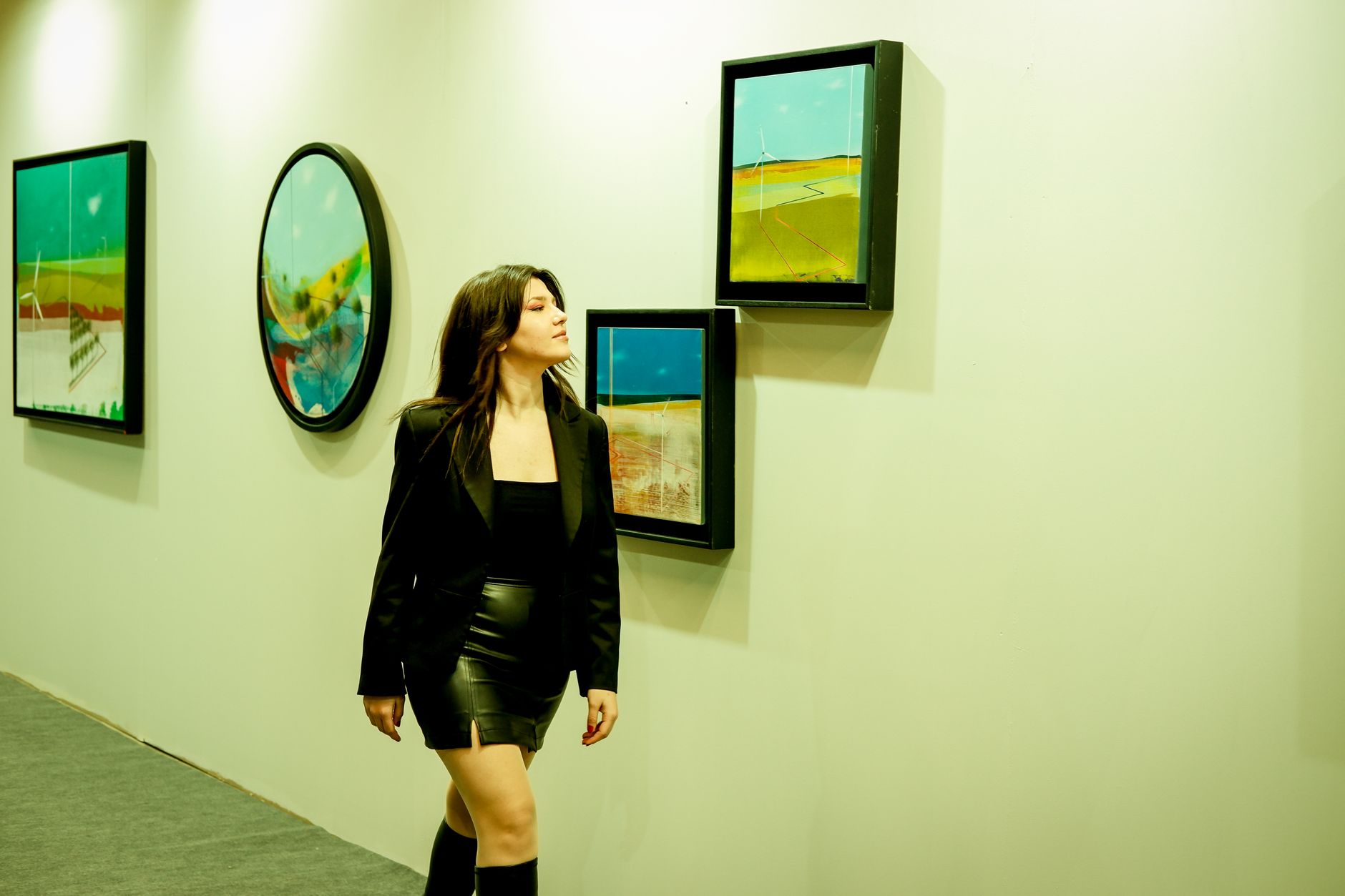
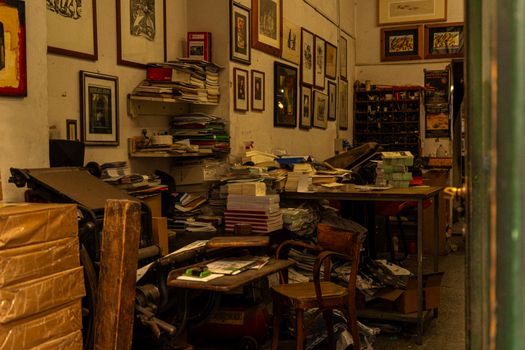 Photo: WASSIM AHMED / Pexels
 Photo: Tima Miroshnichenko / Pexels
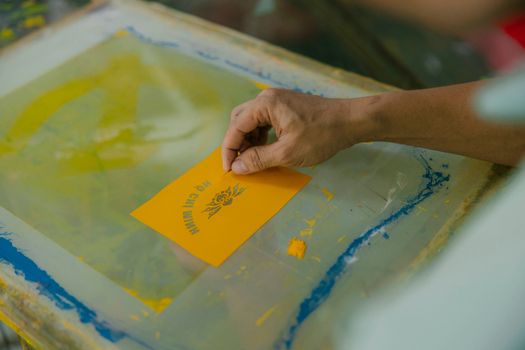 Photo: HONG SON / Pexels
 Photo: Rafael Minguet Delgado / Pexels