Famous American Artists List: A Journey Through Iconic Art
July 23, 202611 min read2,226 words
Famous American Artists List: A Journey Through Iconic Art
July 23, 202611 min read2,226 words
Dive into the lives and masterpieces of America's most celebrated artists, whose innovative spirits defined eras and left an indelible mark on global culture.
✓ American art draws from diverse cultural influences, including European, Indigenous, and African traditions.
✓ The 20th century saw a significant shift in American art, with movements like Abstract Expressionism gaining international prominence.
✓ Many famous American artists were also pioneers in social commentary, using their art to address societal issues.
✓ From realism to pop art, American artists have consistently pushed boundaries and redefined artistic expression.
How It Works
1
Explore Historical Context
Understand the periods and societal shifts that influenced each artist's work. Art is often a reflection of its time, providing deeper insight.
2
Analyze Key Masterpieces
Delve into specific iconic works, examining their techniques, themes, and impact. This offers a tangible connection to their artistic genius.
3
Trace Artistic Evolution
Observe how artists developed their styles and themes over their careers. This reveals their growth and adaptability as creative forces.
4
Understand Cultural Impact
Grasp how these artists influenced subsequent generations and shaped American identity. Their legacies extend far beyond their canvases.
Pioneers and Visionaries: Shaping Early American Art
Photo: wr heustis / Pexels
The landscape of American art, much like the nation itself, was forged through a blend of adaptation, innovation, and a fervent desire to establish a distinct identity separate from its European predecessors. While early American artists often trained in Europe and adopted European styles, they quickly began to infuse their work with unique American sensibilities, capturing the nascent nation's vast landscapes, its burgeoning sense of self, and the lives of its diverse populace. Artists like John Singleton Copley (1738–1815) stand as pillars of this foundational period. Renowned for his meticulous portraits, Copley captured the stern dignity and ambition of colonial elites. His ability to render intricate details and convey the sitter's personality marked a significant departure from more stylized European portraiture, laying groundwork for a more realistic and psychologically insightful approach to art in America. His influence on subsequent generations of portraitists was profound, establishing a high bar for technical skill and emotional depth.
Following Copley, the Hudson River School emerged in the mid-19th century, a pivotal movement that celebrated the sublime beauty of the American wilderness. Led by artists such as Thomas Cole (1801–1848) and Frederic Edwin Church (1826–1900), this group created monumental landscape paintings that not only depicted the grandeur of the American frontier but also imbued it with spiritual and nationalistic significance. Cole’s allegorical landscapes, like 'The Oxbow,' explored themes of wilderness versus civilization, while Church’s expansive canvases, such as 'The Heart of the Andes,' transported viewers to exotic, awe-inspiring locales. These artists helped define a uniquely American aesthetic, one that glorified nature and positioned it as a central element of the national identity. Their work fostered a sense of wonder and pride in America's natural heritage, inspiring conservation efforts and cementing the landscape as a dominant theme in American arts for decades to come. The meticulous detail and dramatic lighting in their works continue to captivate audiences, offering a window into a romanticized vision of the American wilderness. This period was crucial in moving American art beyond mere imitation and towards a distinctive voice.
Modern Masters: Redefining American Artistic Expression
Photo: Steve A Johnson / Pexels
As America moved into the 20th century, its artists began to break away from traditional academic styles, embracing modernism and forging new paths that would dramatically alter the global art landscape. This era saw the rise of iconic figures who challenged conventions and introduced radical new forms of expression. Georgia O'Keeffe (1887–1986) is a prime example, celebrated for her pioneering contributions to American modernism. Her distinctive style, characterized by close-up, abstract depictions of flowers, cityscapes, and New Mexico landscapes, transformed ordinary subjects into powerful, almost spiritual experiences. O'Keeffe's ability to simplify forms and amplify colors created a unique visual language that resonated deeply with audiences, establishing her as one of the most original and influential artists of her time. Her legacy extends beyond her paintings, as she also became an icon of independent womanhood in the arts.
Another colossal figure of this period was Jackson Pollock (1912–1956), whose revolutionary drip paintings catapulted American art onto the international stage. A leading figure in Abstract Expressionism, Pollock's 'action painting' technique involved pouring and dripping paint onto canvases laid on the floor, creating dynamic, all-over compositions that were both spontaneous and deeply controlled. His work symbolized a shift from European dominance in art to American leadership, emphasizing the act of creation itself and the raw emotion of the artist. The sheer scale and energy of his canvases continue to provoke strong reactions and discussions about the nature of art. Similarly, Edward Hopper (1882–1967) captured the quiet melancholy and isolation of modern American life with his hauntingly beautiful realist paintings. Works like 'Nighthawks' depict urban scenes with stark lighting and solitary figures, evoking a sense of alienation and introspection that resonated with the anxieties of the mid-20th century. Hopper's ability to convey profound emotion through seemingly mundane settings cemented his status as a master of American realism, influencing countless filmmakers and artists. These modern masters, through their diverse approaches, collectively redefined what American art could be, setting a precedent for innovation and fearless experimentation.
Pop Culture Icons and Post-War Art: Reflecting a Changing Nation
Photo: Krzysztof Jaworski-Fotografia / Pexels
The post-World War II era brought about profound societal changes in America, from consumerism to mass media, and artists were quick to reflect these shifts in their work. Pop Art, in particular, emerged as a dominant force, directly engaging with popular culture and challenging traditional notions of fine art. Andy Warhol (1928–1987) stands as the undisputed king of Pop Art, transforming everyday objects and celebrity images into iconic works of art. His silk-screen prints of Campbell's Soup Cans, Coca-Cola bottles, and portraits of Marilyn Monroe blurred the lines between high art and commercial culture, questioning authenticity and mass production. Warhol's Factory, his legendary studio, became a hub of artistic experimentation and social commentary, influencing not only visual artists but also musicians, filmmakers, and fashion designers. His profound impact on contemporary art and culture is undeniable, making him one of the most recognizable and influential figures on any famous American artists list.
Beyond Pop Art, other artists grappled with different facets of the post-war American experience. Jean-Michel Basquiat (1960–1988), though tragically short-lived, left an indelible mark with his raw, neo-expressionist paintings. His work, often combining text, symbols, and figures, addressed themes of race, class, identity, and urban life, drawing from his experiences as a graffiti artist in New York City. Basquiat's energetic canvases and powerful messages continue to resonate, cementing his status as a critical voice in late 20th-century art. Another significant figure is Roy Lichtenstein (1923–1997), who, alongside Warhol, helped define Pop Art with his comic-strip inspired paintings. Lichtenstein’s meticulous reproductions of comic panels, complete with Ben-Day dots and speech bubbles, elevated commercial imagery to the realm of fine art, often with a humorous and ironic twist. His work critiqued and celebrated American consumer culture simultaneously, offering a unique perspective on the visual language of the time. These artists, through their engagement with the contemporary world, created art that was both a mirror and a commentary on a rapidly evolving nation.
Contemporary Voices and Enduring Legacies: Tips for Discovering More
Photo: Beyzanur K. / Pexels
The legacy of American art continues to evolve, with contemporary artists building upon the foundations laid by their predecessors while forging new directions. Today's art scene is incredibly diverse, encompassing a multitude of styles, mediums, and perspectives. From conceptual art to new media installations, American artists continue to challenge, provoke, and inspire. Discovering contemporary artists often involves exploring galleries, attending art fairs, and engaging with online platforms. Many artists today use their work to address pressing global issues, from environmental concerns to social justice, ensuring art remains a vital part of cultural discourse.
**Tips for Further Exploration:**
* **Visit Local Museums and Galleries:** Many institutions have dedicated sections or rotating exhibitions featuring American artists, both historical and contemporary.
* **Explore Online Art Databases:** Websites like Artstor, The Metropolitan Museum of Art, and MoMA offer extensive collections and resources.
* **Read Art History Books and Biographies:** Deep dives into individual artists or movements can provide invaluable context and understanding.
* **Attend Art Fairs and Open Studios:** These events are excellent opportunities to discover emerging talent and interact directly with artists.
* **Follow Art Publications and Blogs:** Stay current with trends, new exhibitions, and critical analyses of American art.
* **Consider Diverse Voices:** Seek out artists from various backgrounds, regions, and artistic traditions to gain a more comprehensive understanding of American art's richness.
By actively engaging with the art world, you can continue to uncover the profound impact and ongoing innovation of American artists. Their contributions are not just historical footnotes but living, breathing testaments to human creativity and the enduring power of visual storytelling.
Comparison
Feature
Abstract Expressionism
Pop Art
Hudson River School
American Realism
Key Period
Mid-20th Century
Mid-Late 20th Century
Mid-19th Century
Late 19th-Mid 20th Century
Dominant Themes
Emotion, Subconscious
Consumerism, Mass Media
Nature, Wilderness
Everyday Life, Social Issues
Notable Artists
Pollock, Rothko
Warhol, Lichtenstein
Cole, Church
Hopper, Eakins
Technique Focus
Action painting, Color Field
Silk-screen, Comic imagery
Detailed landscapes
Figurative, Narrative
Primary Impact
Global art leadership shift
Blurred art/commerce lines
Defined American landscape
Captured modern alienation
What Readers Say
★★★★★
"This famous American artists list is incredibly thorough and well-researched. I learned so much about artists I thought I knew, and discovered new favorites. A fantastic resource for art lovers."
Sarah J. · Austin, TX
★★★★★
"As an art student, I found this article to be an invaluable guide. The depth of information on each artist and movement on this famous American artists list is exceptional and truly helpful for my studies."
Mark D. · Chicago, IL
★★★★★
"I've always been interested in art, but this famous American artists list brought it all together beautifully. The connections between artists and their eras were explained so clearly, making their impact much more understandable."
Emily R. · New York, NY
★★★★★
"A very comprehensive overview, though I would have loved to see a bit more on contemporary Indigenous American artists. Still, an excellent starting point for exploring the famous American artists list."
David L. · Seattle, WA
★★★★★
"This article inspired me to visit my local museum and seek out works by these incredible artists! The famous American artists list provided exactly the context I needed to appreciate them even more."
Jessica M. · Miami, FL
Frequently Asked Questions
Who are some of the most famous American artists from the 20th century?
The 20th century saw a boom in American art, with iconic figures like Georgia O'Keeffe (modernism), Jackson Pollock (Abstract Expressionism), Andy Warhol (Pop Art), and Edward Hopper (Realism) making profound impacts. Their innovative styles and thematic explorations reshaped the global art landscape, establishing American art as a dominant force.
Is American art just an imitation of European art?
While early American artists often trained in Europe and drew inspiration from European traditions, they quickly developed distinct styles and themes. Movements like the Hudson River School, Abstract Expressionism, and Pop Art are uniquely American, reflecting the nation's landscapes, cultural shifts, and societal concerns, proving its independent artistic identity.
How can I start learning about famous American artists?
A great way to start is by exploring online resources, visiting local art museums, and reading introductory books on American art history. Focusing on key movements like the Hudson River School, Abstract Expressionism, or Pop Art can provide a structured entry point into the vast and rich world of American artistic contributions.
What is the economic value of famous American artists' works?
The works of famous American artists can command extremely high prices at auction, often reaching tens or even hundreds of millions of dollars. Factors like an artist's historical significance, rarity of the work, provenance, and condition all contribute to their immense market value, reflecting their cultural and economic importance.
How do American artists compare to European masters?
American artists stand shoulder-to-shoulder with European masters, offering unique perspectives and pioneering new movements. While European art has a longer historical trajectory, American artists of the 20th century, in particular, led global trends, demonstrating equal innovation, influence, and artistic excellence that rivals any European counterpart.
Who should explore this famous American artists list?
Anyone with an interest in art, history, or American culture will find this list invaluable. It's perfect for students, art enthusiasts, educators, or anyone looking to deepen their appreciation for the creative spirits who have shaped the artistic narrative of the United States.
Are there any risks in misinterpreting famous American art?
Misinterpreting art is always a possibility, as meaning can be subjective. However, by researching the artist's background, historical context, and critical analyses, you can minimize misinterpretations and gain a richer understanding. Engaging with diverse perspectives also helps broaden one's appreciation of complex artistic narratives.
What are the future trends for American art?
Future trends in American art are likely to continue embracing diversity, digital media, and social commentary. Expect further exploration of virtual reality, AI in art, and a strong focus on identity, environmentalism, and global interconnectedness, pushing boundaries in form and content while reflecting an ever-changing world.
Embark on your own artistic journey and explore the profound legacies of the famous American artists list. Discover their masterpieces, understand their impact, and let their creativity inspire you to see the world through new eyes. Your exploration of American art starts now.
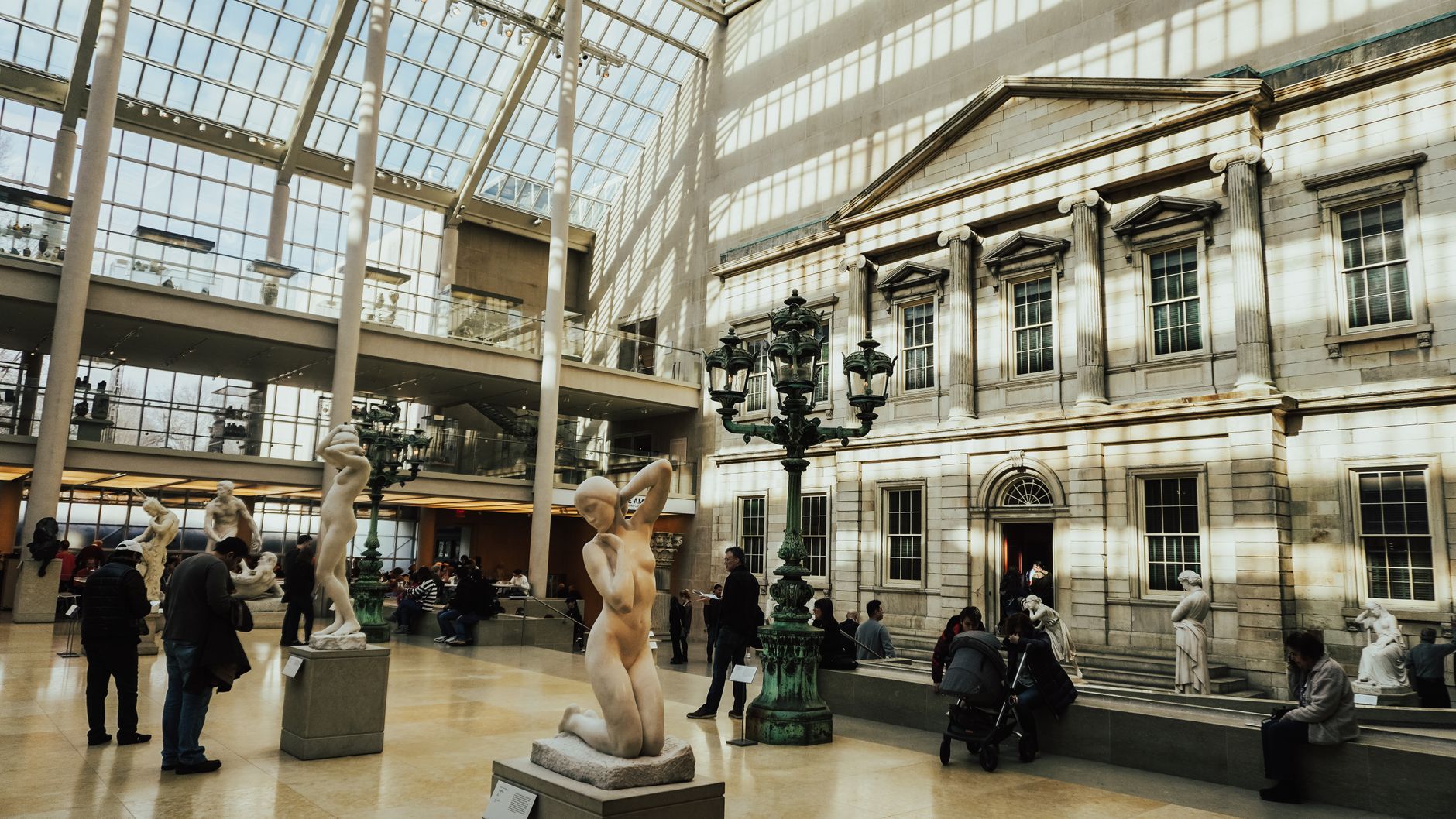
 Photo: wr heustis / Pexels
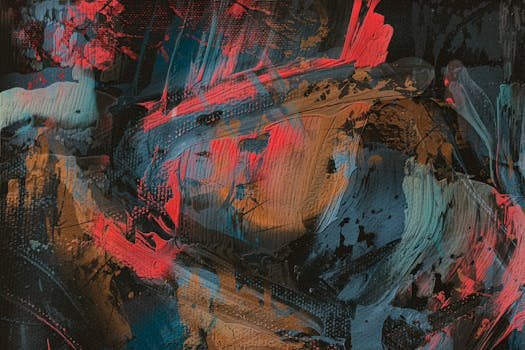 Photo: Steve A Johnson / Pexels
 Photo: Krzysztof Jaworski-Fotografia / Pexels
 Photo: Beyzanur K. / Pexels