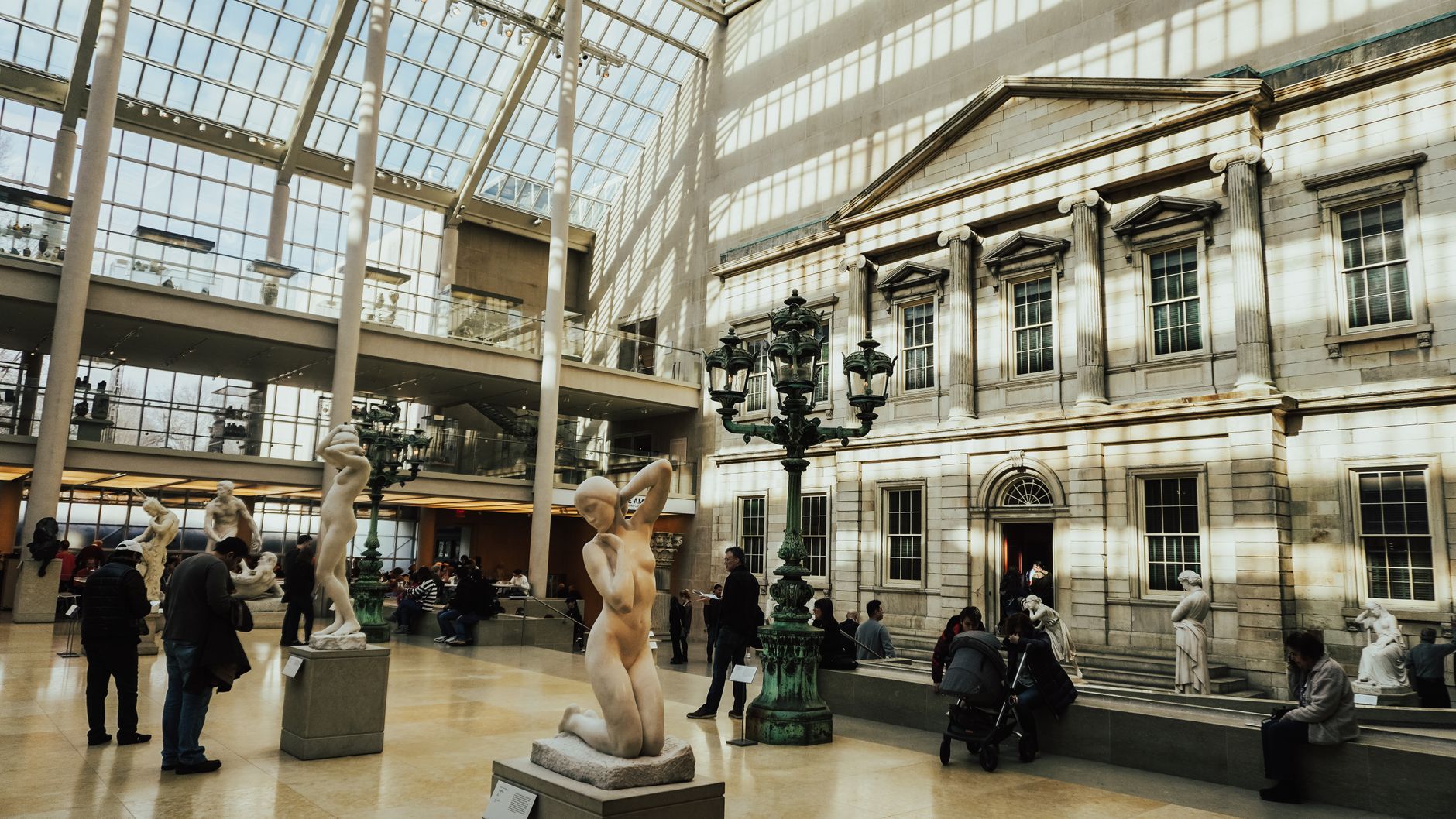
Famous American Artists and Their Works: An Iconic Legacy
famous American artists and their works

Famous American Artists and Their Works: An Iconic Legacy

Uncover the masterpieces and stories behind the most influential figures in American art, from realism to abstract expressionism.

Discover Their Art

Key Takeaways

  • ✓ American art truly began to forge its own identity in the 19th century, moving away from European influences.
  • ✓ Realism, Impressionism, and Abstract Expressionism are some of the most defining movements in American art.
  • ✓ Many American artists used their work to comment on social, political, and cultural issues of their time.
  • ✓ The United States is home to world-renowned museums housing extensive collections of American masterpieces.

How It Works

1
Historical Context

Understand the societal and historical backdrop against which these artists created. This context often reveals deeper meanings in their work.

2
Artistic Movements

Familiarize yourself with the major art movements that defined American art. Recognizing these styles helps in appreciating the innovation of each artist.

3
Key Figures & Masterpieces

Dive into the lives of individual famous American artists and explore their most iconic works. Pay attention to their unique techniques and recurring themes.

4
Impact & Legacy

Consider how these artists and their creations influenced subsequent generations and continue to shape contemporary art. Their legacy extends far beyond their lifetime.

Pioneering Voices: Early American Art and Its Evolution
Captivating New York City skyline with a dramatic sunset backdrop over the water. Photo: Nancy Bourque / Pexels
The story of famous American artists and their works begins with a complex interplay of European influence and a burgeoning desire for a distinct national identity. In the early colonial period, much of American art mirrored European styles, particularly British portraiture. Artists like John Singleton Copley (1738–1815) excelled at capturing the likeness and character of prominent figures, often imbuing his subjects with a sense of dignity and gravitas that would become a hallmark of early American portraiture. His work, such as 'Paul Revere' (c. 1768–70), is a testament to his masterful ability to render texture and personality, making his subjects feel incredibly alive. However, as the nation gained independence, a subtle but significant shift began. Artists started to look inward, seeking inspiration in the vast landscapes and unique character of the American continent. The 19th century witnessed a significant diversification of themes and styles. The Hudson River School, a mid-19th-century American art movement embodied by artists like Thomas Cole (1801–1848) and Frederic Edwin Church (1826–1900), emerged as a pivotal force. These landscape painters celebrated the sublime beauty and untouched wilderness of America, often imbuing their works with a sense of spiritual awe and national pride. Cole's 'The Oxbow' (View from Mount Holyoke, Northampton, Massachusetts, after a Thunderstorm) (1836) is a quintessential example, juxtaposing the raw power of nature with signs of human cultivation, symbolizing the nation's expansion and its relationship with the land. Church’s monumental canvases, such as 'The Heart of the Andes' (1859), transported viewers to exotic, breathtaking vistas, solidifying the idea of America as a land of boundless natural wonders. This era also saw the rise of genre painting, depicting everyday life and often carrying moralistic undertones, as seen in the works of George Caleb Bingham (1811–1879) who famously captured scenes of frontier life and riverboat commerce along the Missouri River in pieces like 'Fur Traders Descending the Missouri' (c. 1845). These early artists laid the groundwork for future generations, establishing a visual language that spoke to the American experience and fostering a sense of artistic independence that would continue to grow and evolve. Their dedication to portraying the unique aspects of American life and landscape set the stage for the rich tapestry of American art that we appreciate today, demonstrating that the pursuit of a national artistic identity was as vital as political independence. Learn more about the evolution of art.

Modern Masters: From Realism to Abstract Expressionism
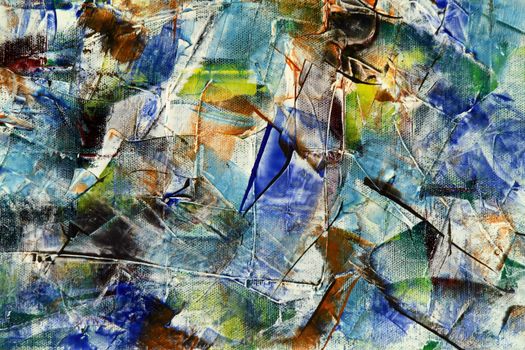
Dynamic abstract expressionist painting with vibrant colors and textured patterns. Photo: Steve A Johnson / Pexels
As the United States moved into the 20th century, famous American artists and their works continued to push boundaries, reflecting the rapid social and industrial changes sweeping the nation. The early 20th century saw a rise in American Realism, a direct response to the romanticism of earlier eras. Artists like Edward Hopper (1882–1967) became masters of capturing the quiet solitude and often melancholic beauty of urban and rural American life. His iconic painting, 'Nighthawks' (1942), with its stark lighting and solitary figures in a late-night diner, perfectly encapsulates a sense of alienation and introspection that resonated deeply with the modern American experience. Hopper’s ability to evoke powerful emotions through seemingly mundane scenes established him as a singular voice in American art. Another significant figure of this period was Georgia O'Keeffe (1887–1986), whose unique vision transformed natural forms, particularly flowers and landscapes of the American Southwest, into powerful abstract compositions. Her close-up, sensuous depictions of flowers, such as 'Jimson Weed/White Flower No. 1' (1932), challenged traditional perspectives and celebrated the inherent beauty of organic shapes, earning her the title 'Mother of American Modernism'. The mid-20th century witnessed a revolutionary shift with the advent of Abstract Expressionism, an art movement that firmly placed New York City at the center of the art world. This movement, characterized by large-scale, non-representational paintings that emphasized spontaneous, emotional expression, redefined what art could be. Jackson Pollock (1912–1956), with his groundbreaking 'drip' technique, became an icon of this movement. Works like 'Number 1A, 1948' (1948) are not just paintings; they are records of his energetic physical engagement with the canvas, a raw outpouring of subconscious thought and feeling. Willem de Kooning (1904–1997), another prominent Abstract Expressionist, explored figures and abstraction with fierce brushstrokes and vibrant colors, as seen in his 'Woman, I' (1950–52) series, which oscillated between figuration and pure abstraction. Mark Rothko (1903–1970) took a different approach, creating large canvases filled with luminous, rectangular color fields designed to evoke profound spiritual or emotional responses, as exemplified by his 'No. 61 (Rust and Blue)' (1953). These artists not only contributed monumental works to the canon of famous American artists and their works but also fundamentally altered the trajectory of global art, asserting an American artistic identity that was bold, innovative, and deeply personal.

Pop Art, Minimalism, and Contemporary Narratives

Colorful neon lights in an indoor museum setting showcasing artistic signs. Photo: Tomasz Filipek / Pexels
The latter half of the 20th century brought further seismic shifts in American art, with famous American artists and their works continuing to challenge conventions and reflect an increasingly consumer-driven and media-saturated society. Pop Art emerged in the 1950s and 60s as a vibrant and often ironic response to mass culture. Andy Warhol (1928–1987) stands as the undisputed king of Pop Art, transforming everyday objects and celebrity images into high art. His 'Campbell's Soup Cans' (1962) and 'Marilyn Diptych' (1962) blurred the lines between commercial art and fine art, questioning originality, authorship, and the nature of fame itself. Roy Lichtenstein (1923–1997) similarly drew inspiration from comic strips, using Ben-Day dots and bold outlines to create large-scale paintings that mimicked print reproduction, such as 'Whaam!' (1963), bringing popular culture into the museum space. These artists not only created iconic images but also initiated a dialogue about consumerism and media that remains relevant today. Following Pop Art, Minimalism offered a stark contrast, stripping art down to its most essential forms and materials. Artists like Donald Judd (1928–1994) created precise, geometric forms, often in industrial materials, emphasizing the object's physical presence and its relationship to the surrounding space rather than narrative or symbolic content. His 'Untitled (Stack)' series, consisting of identical boxes protruding from a wall, exemplifies the movement's focus on pure form and material integrity. Agnes Martin (1912–2004), while sometimes associated with Minimalism, developed a unique style of subtle grids and delicate lines that evoked a sense of calm and spiritual contemplation, as seen in 'Friendship' (1963). In contemporary American art, the narratives have become even more diverse and inclusive. Artists like Jean-Michel Basquiat (1960–1988) burst onto the scene in the 1980s, combining graffiti, Neo-expressionism, and social commentary to create raw, powerful works that addressed issues of race, identity, and class, such as 'Untitled' (1982) depicting a skull. Kara Walker (b. 1969) uses large-scale cut-paper silhouettes to explore complex themes of race, gender, and violence in the American South, challenging viewers with provocative and often disturbing imagery. These contemporary artists continue to expand the definition of famous American artists and their works, using their platforms to engage with pressing social issues and offer new perspectives on the American experience, ensuring that American art remains a dynamic and evolving field. Explore the diverse world of contemporary art.

Essential Tips for Appreciating American Art Masterpieces

Art gallery hallway with framed artworks and visitors seated inside, under warm lighting. Photo: ProtSilver Chen / Pexels
To truly appreciate the depth and breadth of famous American artists and their works, it's beneficial to approach them with a thoughtful and informed perspective. Here are some essential tips to enhance your understanding and enjoyment: * **Research the Artist's Biography and Context:** Understanding an artist's life experiences, personal struggles, and the historical period in which they lived can provide invaluable insights into their motivations and the messages embedded in their art. For instance, knowing about Edward Hopper's solitary nature enhances the understanding of his 'Nighthawks'. * **Identify the Art Movement:** Familiarize yourself with major American art movements like the Hudson River School, Realism, Abstract Expressionism, and Pop Art. Recognizing the characteristics of these movements helps you categorize and understand the artistic intentions and innovations of a particular piece. * **Analyze Composition and Technique:** Look closely at how the artist uses color, line, shape, texture, and light. Consider their brushwork – is it smooth and precise, or bold and gestural? These technical elements are crucial to the aesthetic and emotional impact of the work. * **Consider the Subject Matter and Symbolism:** What is the artwork depicting? Are there hidden meanings or symbols? Many American artists used their work to comment on social, political, or cultural issues. For example, the landscapes of the Hudson River School often carried symbolic weight about manifest destiny or the pristine American wilderness. * **Visit Museums and Galleries:** There's no substitute for seeing famous American artists and their works in person. Museums like the Metropolitan Museum of Art, the Museum of Modern Art (MoMA), the Art Institute of Chicago, and the National Gallery of Art house extensive collections that offer a firsthand experience of these masterpieces. The scale, texture, and color of an artwork can be fully appreciated only when viewed directly. * **Read Art Criticism and Scholarly Works:** Engaging with the interpretations of art historians and critics can open new avenues for understanding. While your personal response is valid, diverse perspectives can enrich your appreciation and reveal aspects you might have overlooked. * **Reflect on Your Emotional Response:** Art is meant to evoke feeling. Allow yourself to react to the artwork. What emotions does it stir? What questions does it raise? Your personal connection to the piece is a vital part of the appreciation process. * **Avoid Common Mistakes:** Don't dismiss abstract art because you 'don't understand it'; instead, try to feel its impact or research the artist's intent. Similarly, avoid judging older works by modern aesthetic standards; appreciate them within their historical context. Don't be afraid to ask questions or seek information from museum guides or labels. The world of American art is vast and rewarding, and an open mind is your best tool for exploration.

Comparison

ArtistPrimary MovementKey CharacteristicNotable Work
Edward HopperRealismUrban solitude, psychological depthNighthawks
Georgia O'KeeffeAmerican ModernismAbstracted natural forms, Southwest landscapesJimson Weed/White Flower No. 1
Jackson PollockAbstract ExpressionismDrip painting, energetic abstractionNumber 1A, 1948
Andy WarholPop ArtMass culture imagery, celebrity focusCampbell's Soup Cans

What Readers Say

"This article on famous American artists and their works provided such a comprehensive overview. I particularly enjoyed learning about the progression from early portraiture to the groundbreaking Abstract Expressionists. It truly deepened my appreciation for American art."

Sarah J. · New York, NY

"As an art enthusiast, I found this guide incredibly helpful. The detailed descriptions of each artist's contribution and their most famous pieces made me want to revisit my favorite museums and look at the art with fresh eyes. A fantastic resource!"

Mark D. · Chicago, IL

"Before reading this, I only knew a few famous American artists and their works. Now, I feel much more informed and confident discussing American art history. My next museum visit will definitely be more enriching, thanks to this article."

Emily R. · Los Angeles, CA

"While incredibly informative, I would have loved to see a bit more on contemporary Native American artists. However, the existing content on famous American artists and their works is exceptionally well-written and covers the major movements brilliantly."

David L. · Boston, MA

"This piece isn't just for art historians; it's for anyone curious about American culture. The way it connects the art to the nation's evolution is fascinating. I now have a much better understanding of the cultural significance of famous American artists and their works."

Jessica M. · Austin, TX

Frequently Asked Questions

Who are some of the most famous American artists and their works?

Some of the most famous American artists include Edward Hopper ('Nighthawks'), Georgia O'Keeffe ('Jimson Weed/White Flower No. 1'), Jackson Pollock ('Number 1A, 1948'), Andy Warhol ('Campbell's Soup Cans'), and Norman Rockwell ('The Four Freedoms'). These artists represent diverse movements and have left an indelible mark on art history with their iconic creations.

What makes American art unique compared to European art?

American art often distinguishes itself through its focus on the American landscape, scenes of everyday life, and a strong sense of individualism. While initially influenced by European styles, American artists gradually developed unique movements like the Hudson River School, American Realism, and Abstract Expressionism, reflecting the nation's unique historical and cultural identity.

How can I start appreciating abstract art by American artists?

Start by setting aside expectations of literal representation. Focus on the artist's use of color, line, shape, and texture. Research the artist's intent and the context of the piece. Many abstract works, like those by Jackson Pollock or Mark Rothko, aim to evoke emotions or spiritual experiences rather than depict recognizable objects, encouraging a more visceral response.

Is American art primarily found in specific museums?

While many major institutions worldwide feature American art, the most comprehensive collections are found in the United States. Key museums include the Metropolitan Museum of Art (NYC), the Museum of Modern Art (NYC), the Art Institute of Chicago, the National Gallery of Art (Washington D.C.), and the Whitney Museum of American Art (NYC). These institutions offer extensive holdings covering various periods and movements.

How did social and political events influence famous American artists and their works?

Social and political events profoundly influenced American artists. The Civil War impacted artists like Winslow Homer, while the Great Depression inspired the Regionalists and social realists. The post-WWII era saw the rise of Abstract Expressionism as artists grappled with global conflict and existential questions. Pop Art, in turn, reacted to the burgeoning consumer culture of the mid-20th century, demonstrating a constant dialogue between art and society.

Who should explore famous American artists and their works?

Anyone with an interest in art history, American culture, or simply seeking to broaden their artistic horizons should explore famous American artists and their works. Students, art enthusiasts, travelers planning museum visits, or individuals looking to understand the visual narrative of the United States will find rich and rewarding insights.

Are there any controversies surrounding famous American artists or their works?

Yes, like all significant art, American art has its share of controversies. For instance, the provocative nature of some Pop Art challenged traditional art definitions, while certain Abstract Expressionist works faced criticism for their perceived lack of skill or meaning. More recently, discussions around cultural appropriation and representation have led to reevaluations of historical works and artists, reflecting evolving societal values.

What are the future trends in recognizing American artistic talent?

Future trends in recognizing American artistic talent are likely to emphasize diversity, inclusivity, and interdisciplinary approaches. There's a growing focus on amplifying underrepresented voices, including artists of color, indigenous artists, and LGBTQ+ artists. Digital art, immersive experiences, and art that addresses global challenges like climate change are also emerging as significant areas of exploration and recognition.

Embark on a captivating journey through the rich tapestry of American art. Discover the iconic masterpieces and compelling stories of famous American artists and their works, and let their enduring legacies inspire your own appreciation for creativity and cultural innovation.

Topics: famous American artists and their worksAmerican art historyiconic American paintingsinfluential American artistsAmerican art movements
Leo List

DK Escorts LU Escorts AT Escorts SE Escorts FI Escorts CH Escorts DE Escorts HR Escorts IE Escorts GR Escorts CZ Escorts NO Escorts BE Escorts FR Escorts SI Escorts IL Escorts NL Escorts PL Escorts HU Escorts ES Escorts IT Escorts PT Escorts SK Escorts RO Escorts ZA Escorts UY Escorts US Escorts UK Escorts NZ Escorts AU Escorts
Brampton weed
Adultwork EstrelaBet Vai de Bet R7 Bet Betão Galera Bet Rainbet Bet9ja Shop SportyBet BetKing Sisal Loto Foot Hollywoodbets YesPlay Odibets RushBet Jugabet BetWarrior BetCity MSport betPawa Fortebet