
Exploring the Different Types of Sculpture Art
Journey through the diverse forms and fascinating evolution of three-dimensional artistic expression across history and cultures.
Uncover the ArtKey Takeaways
- ✓ Sculpture is one of the oldest forms of art, with origins tracing back to prehistoric times.
- ✓ The primary methods of sculpture are carving, modeling, casting, and assembling.
- ✓ Materials used in sculpture are incredibly diverse, ranging from stone and wood to metal, clay, and even light.
- ✓ Sculpture can be found in various forms, including freestanding, relief, kinetic, and environmental art.
How It Works
The artist conceives an idea, often sketching or creating small models to visualize the final piece. This initial phase defines the sculpture's purpose, form, and emotional impact.
Based on the concept, the artist chooses appropriate materials, considering their properties like durability, texture, and workability. This choice significantly influences the creation process and final aesthetic.
The chosen technique (carving, modeling, casting, or assembly) is applied to transform raw material into the desired form. This step involves skilled manipulation and often specialized tools.
Once the primary form is complete, the sculpture undergoes finishing touches like polishing, patination, or painting. Finally, it's presented in a way that enhances its artistic message and viewer experience.
Understanding Traditional Sculpture Techniques and Materials
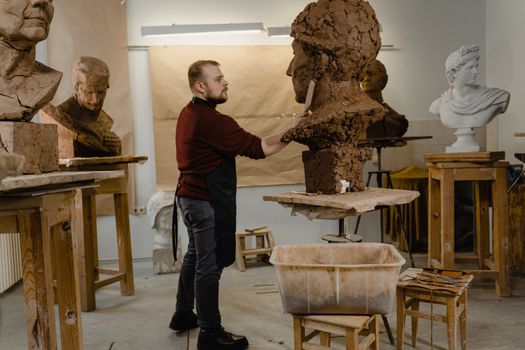 Photo: Tima Miroshnichenko / Pexels
Exploring Modern and Contemporary Sculpture Forms
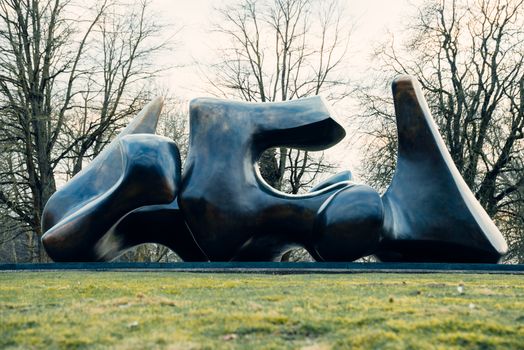 Photo: Ramon Karolan / Pexels
The Diverse World of Sculpture Materials and Their Impact
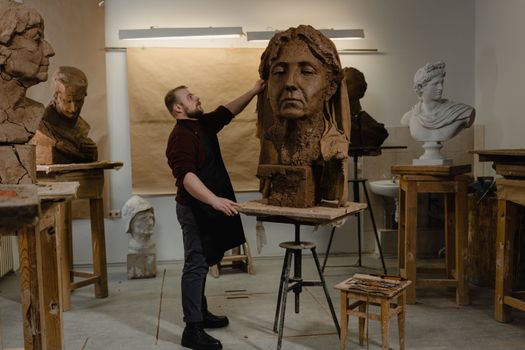 Photo: Tima Miroshnichenko / Pexels
Tips for Appreciating and Engaging with Sculpture Art
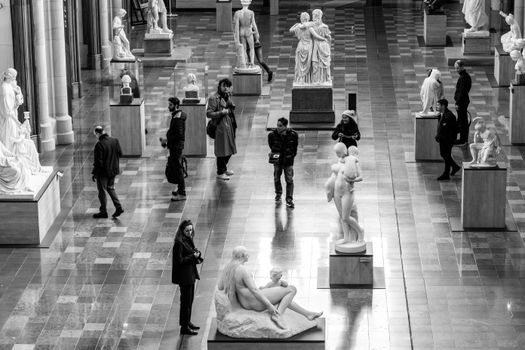 Photo: wal_ 172619 / Pexels
Comparison
| Feature | Carving (Stone/Wood) | Modeling (Clay/Wax) | Casting (Bronze) | Assemblage (Mixed Media) |
|---|---|---|---|---|
| Primary Process | Subtractive (removing material) | Additive (building up material) | Replica (pouring into mold) | Additive (joining objects) |
| Typical Materials | Marble, Granite, Wood | Clay, Wax, Plaster | Bronze, Aluminum, Resin | Found objects, Metal, Plastic, Wood |
| Durability | Very High | Low (unless fired/cast) | Very High | Varies greatly by materials |
| Detail Capability | High | Very High (initially) | Very High (from mold) | Varies by components |
| Reproduction Potential | ✗ | ✓ (for casting) | ✓ (multiple editions) | ✗ (unique components) |
| Expressive Quality | Formal, Enduring | Fluid, Immediate | Monumental, Dynamic | Eclectic, Conceptual |
What Readers Say
"This guide truly opened my eyes to the incredible variety within sculpture art. I used to think it was all just statues, but now I understand the depth of techniques and materials involved. Fascinating read!"
Sarah J. · New York, NY"As an aspiring artist, this article provided a fantastic overview of different types of sculpture art. The details on casting and assemblage gave me new ideas for my own projects. Highly recommend for art lovers!"
Mark D. · Los Angeles, CA"I visited a contemporary art museum last week and found myself appreciating the pieces so much more after reading this. The section on kinetic sculpture helped me understand a challenging installation perfectly."
Emily R. · Chicago, IL"A very comprehensive article on sculpture. While I wish there were more images, the descriptions were vivid enough to paint a clear picture. The breakdown of traditional vs. modern forms was particularly helpful."
David L. · Houston, TX"I'm a history buff, and the way this article connected ancient sculpture techniques to modern innovations was brilliant. It really highlights the continuous evolution of different types of sculpture art across time."
Jessica M. · Miami, FLFrequently Asked Questions
What are the four main types of sculpture techniques?
The four main types of sculpture techniques are carving (subtractive, removing material), modeling (additive, building up material), casting (replicating a form by pouring liquid material into a mold), and assembling (joining disparate objects or materials). Each method offers unique possibilities and challenges for the artist.
Is sculpture still a relevant art form today?
Absolutely. Sculpture remains incredibly relevant, continually evolving with new technologies, materials, and conceptual approaches. Contemporary sculptors use it to explore complex social, political, and personal themes, making it a powerful and dynamic medium for artistic expression in the 21st century.
How can I start learning about sculpture?
To start learning about sculpture, begin by visiting museums and galleries to see various forms firsthand. Consider taking an introductory class in a local art center or community college, which often covers basic techniques like clay modeling or carving. Reading books and watching documentaries on sculptural history and artists can also be very beneficial.
Is sculpture more expensive to create than painting?
The cost of creating sculpture can vary widely, just like painting. While some monumental sculptures in bronze or stone can be extremely expensive due to material and labor costs, smaller works in clay or assemblage using found objects can be quite affordable. The medium, scale, and complexity are key determinants of cost.
How does relief sculpture differ from freestanding sculpture?
Freestanding sculpture is designed to be viewed from all sides, existing independently in space. Relief sculpture, on the other hand, projects from a background surface and is typically viewed from the front. It's often categorized into high relief (projects significantly) and low relief (projects minimally), creating a three-dimensional effect within a two-dimensional plane.
Who should explore different types of sculpture art?
Anyone with an interest in art, history, or creative expression should explore different types of sculpture art. It appeals to those who appreciate tangible forms, spatial relationships, and the interaction of materials. Whether you're an artist, student, or simply an curious individual, there's a sculptural form to captivate your imagination.
Are there any risks involved in creating sculpture?
Yes, creating sculpture, especially with traditional methods, can involve certain risks. Carving can lead to injuries from sharp tools, casting involves handling hot metals and chemicals, and working with heavy materials requires careful handling to prevent strains or accidents. Proper safety equipment and training are essential to mitigate these risks.
What are some future trends in sculpture art?
Future trends in sculpture art are likely to include increased integration of digital technologies like 3D printing and virtual reality, further exploration of sustainable and unconventional materials, and more interactive and immersive installations. Expect to see sculpture continuing to push boundaries, engaging with environmental concerns and new scientific discoveries.
Embark on your own journey into the captivating world of sculpture. Whether you're an aspiring artist or a curious observer, understanding the different types of sculpture art enriches your appreciation and opens new avenues for creative thought. Start exploring today!