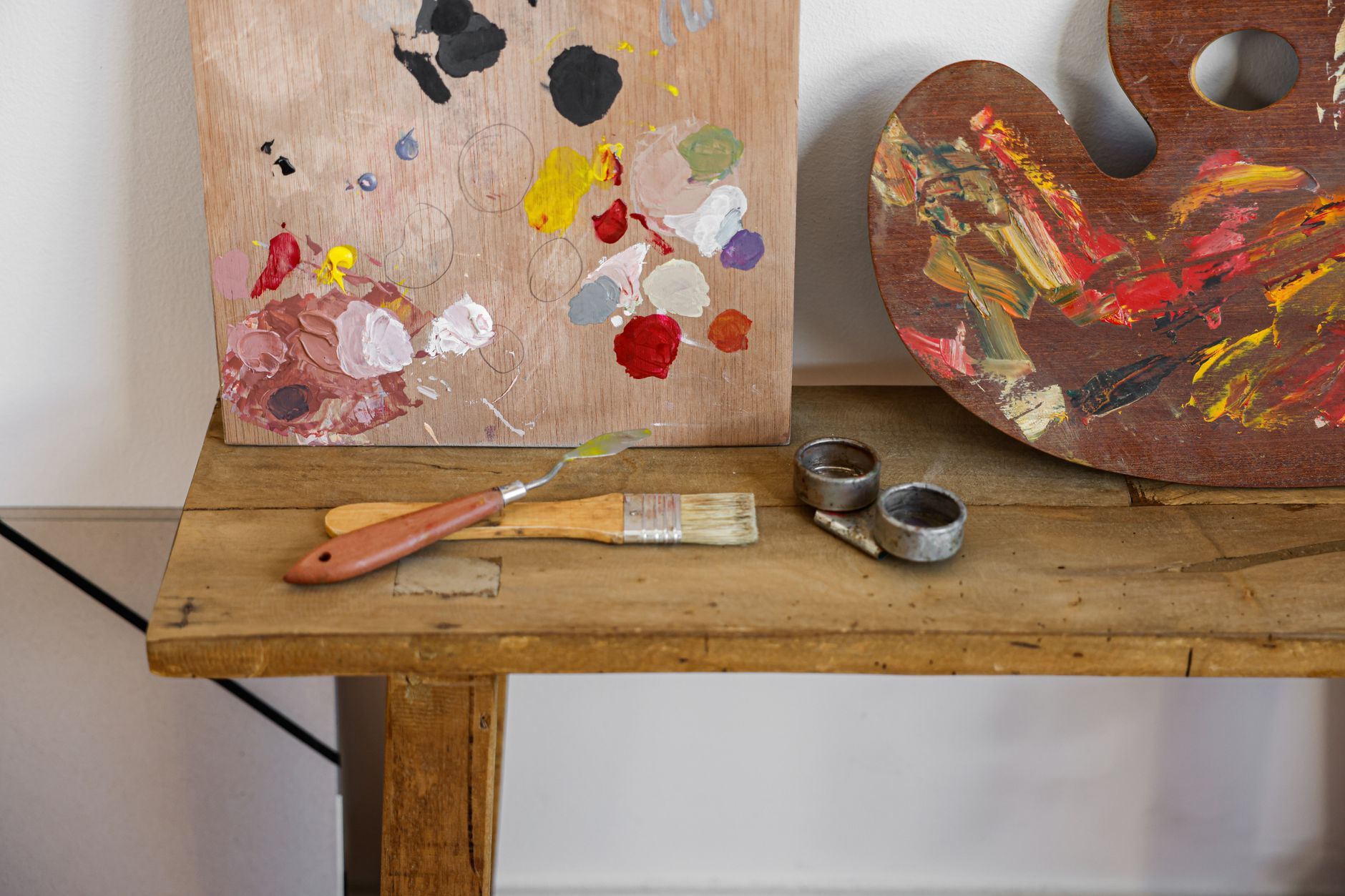
Mastering Art: Exploring Different Types of Painting Techniques
different types of painting techniques

Mastering Art: Exploring Different Types of Painting Techniques

Dive into the vibrant world of painting and discover the diverse methods that artists use to create breathtaking masterpieces.

Start Your Artistic Journey

Key Takeaways

  • ✓ Painting techniques are defined by the medium, tools, and application methods used.
  • ✓ Each technique offers unique characteristics in terms of drying time, texture, and vibrancy.
  • ✓ Understanding various techniques expands artistic expression and problem-solving capabilities.
  • ✓ Mastery often involves dedicated practice and experimentation with different mediums.

How It Works

1
Choose Your Medium

Select a paint type like oil, acrylic, or watercolor, considering its properties and your artistic goals. Each medium offers a distinct experience and final aesthetic.

2
Gather Your Tools

Acquire appropriate brushes, surfaces (canvas, paper), palettes, and solvents or diluents. The right tools enhance control and allow for specific effects.

3
Learn Core Applications

Familiarize yourself with fundamental techniques such as washes, glazing, impasto, and dry brushing. These are the building blocks of most painting styles.

4
Practice and Experiment

Dedicate time to practice new techniques, observe how paints behave, and don't shy away from experimentation. This iterative process refines skills and develops personal style.

Unveiling the Richness of Oil Painting Techniques
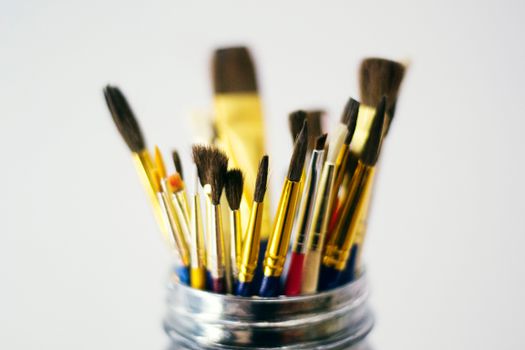
A diverse set of paintbrushes displayed in a jar, perfect for arts and crafts enthusiasts. Photo: Em Hopper / Pexels
Oil painting, with its luminous quality and rich historical lineage, remains a cornerstone of fine art. Its distinct characteristics, primarily its slow drying time and buttery consistency, allow for unparalleled blending and layering, making it a favorite among artists seeking depth and nuanced color transitions. The extended open time means artists can work wet-on-wet for days, seamlessly merging hues and creating soft edges that are difficult to achieve with faster-drying mediums. This characteristic is particularly advantageous for portraiture and landscape painting, where subtle shifts in tone and light are paramount. Traditional oil painting often involves building up layers, from thin underpaintings to thicker impasto touches, creating a sense of dimension and texture that can be both seen and felt. Techniques like glazing, where thin, transparent layers of color are applied over dried paint, contribute to the characteristic luminosity and depth, allowing light to reflect through multiple layers of pigment. Scumbling, on the other hand, involves lightly dragging opaque or semi-opaque paint over a dry layer, creating a broken, textured effect that can suggest atmosphere or rough surfaces. Impasto, the application of thick, textured paint, adds a sculptural quality to the work, making brushstrokes and palette knife marks a prominent feature of the finished piece. The choice of medium, whether linseed oil, poppy oil, or walnut oil, also plays a crucial role in controlling drying time, sheen, and the paint's overall consistency. Each oil imparts slightly different properties, allowing artists to fine-tune their approach. Furthermore, the ability to rework and modify paintings over an extended period provides a unique opportunity for introspection and refinement, allowing artists to evolve their compositions gradually. This forgiving nature, coupled with the medium's inherent richness, makes oil painting a profound and rewarding artistic endeavor, capable of producing masterpieces that endure for centuries. Explore the fundamentals of oil painting to begin your journey into this classic art form. Understanding the nuances of these techniques is essential for anyone looking to harness the full expressive power of oil paints, from creating delicate portraits to grand historical scenes.

The Versatility and Vibrancy of Acrylic Painting
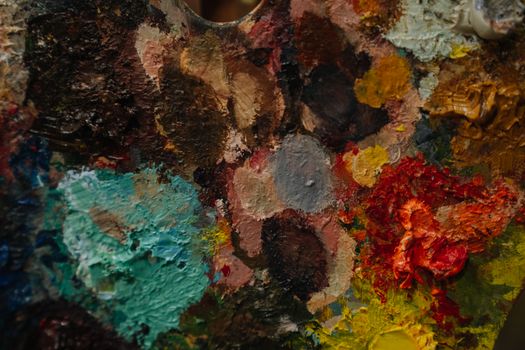
Close-up of a colorful artist's palette with various paint blobs and textures. Photo: Huy Nguyễn / Pexels
Acrylic paints, a relatively modern invention compared to oils and watercolors, have rapidly gained popularity due to their incredible versatility, vibrant colors, and fast drying time. This medium offers artists the best of many worlds, combining the opacity and body of oils with the water-solubility of watercolors, yet possessing unique properties all its own. The quick drying time of acrylics is both a blessing and a challenge. It allows for rapid layering and quick completion of projects, making it ideal for artists who prefer to work spontaneously or who have limited studio time. However, it also demands swift execution and careful planning, as colors dry quickly on the palette and cannot be easily reworked wet-on-wet like oils. To counteract this, artists often use retarders to extend the drying time or employ wet palettes to keep paints workable for longer. Acrylics can be thinned with water to achieve watercolor-like washes and transparent glazes, or used straight from the tube for thick, impasto textures reminiscent of oil paint. The medium's ability to adhere to almost any non-oily surface – canvas, wood, paper, fabric, metal, and even walls – further expands its creative potential, making it a favorite for muralists, mixed-media artists, and illustrators. Techniques common in acrylic painting include dry brushing, where a nearly dry brush with paint is dragged across a textured surface to create broken color and implied texture; pouring, where fluid acrylics are mixed and poured onto a surface to create abstract, organic patterns; and stenciling, using templates to apply consistent shapes and patterns. The introduction of various acrylic mediums, such as gels, pastes, and flow improvers, has further enhanced the medium's capabilities, allowing artists to manipulate texture, transparency, and consistency to an unprecedented degree. From creating crisp, graphic designs to soft, atmospheric landscapes, acrylics offer an expansive palette of possibilities, making them an indispensable tool for contemporary artists. Their non-toxic nature and easy cleanup with water also contribute to their widespread appeal, particularly among students and those new to painting.

Exploring the Delicate Beauty of Watercolor and Gouache
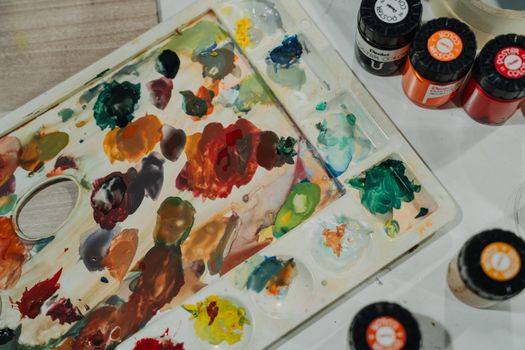
Top view of a colorful artist's palette with various poster paints arranged for creative work. Photo: Huy Nguyễn / Pexels
Watercolor painting is renowned for its ethereal quality, transparency, and delicate luminosity. Unlike oils or acrylics, watercolor relies on the white of the paper to provide its highlights, as the paint itself is inherently transparent. This characteristic dictates a unique approach where artists often work from light to dark, building up layers of color to achieve depth and saturation. The primary binder in watercolor is gum arabic, which allows the pigment to be suspended in water and flow freely across the paper surface. Techniques like washes, where a diluted layer of color is applied broadly and evenly, are fundamental to watercolor. Graded washes smoothly transition from dark to light, while flat washes provide a consistent tone. Wet-on-wet, another signature technique, involves applying wet paint onto a wet paper surface, allowing colors to bleed and blend organically, creating soft, diffused effects. Dry brushing, on the other hand, uses a minimal amount of paint on a relatively dry brush on dry paper, yielding textured, broken strokes that are excellent for depicting rough surfaces or foliage. Lifting, where wet or even dry paint is gently removed with a damp brush or sponge, allows artists to recover highlights or create softer edges. The unforgiving nature of watercolor, where mistakes are difficult to conceal, often demands a confident and decisive hand, fostering a unique sense of immediacy and spontaneity in the artist's process. Gouache, often referred to as opaque watercolor, shares many similarities with traditional watercolor but offers a distinct difference: its opacity. Made with larger pigment particles and a higher pigment-to-binder ratio, often with added white pigment like chalk, gouache produces a flat, matte finish that is vibrant and highly saturated. This opacity allows artists to work from dark to light, similar to oil or acrylic, as lighter colors can be painted over darker ones. Gouache is excellent for illustration, poster art, and design work where crisp edges, bold colors, and an even, non-reflective surface are desired. Techniques for gouache include layering, where colors are built up opaquely; blending, where wet paints are mixed on the surface for smooth transitions; and stippling, using small dots to create texture and tone. Unlike transparent watercolor, gouache can be reactivated with water even after drying, offering some flexibility for reworking. Its versatility makes it a bridge between the fluid nature of watercolor and the solid coverage of acrylics, offering artists a broad spectrum of expressive possibilities. Both watercolor and gouache offer unique artistic avenues, each with its own set of challenges and rewards, contributing to the rich tapestry of artistic mediums available to creators today.

Advanced Painting Techniques and Common Pitfalls to Avoid
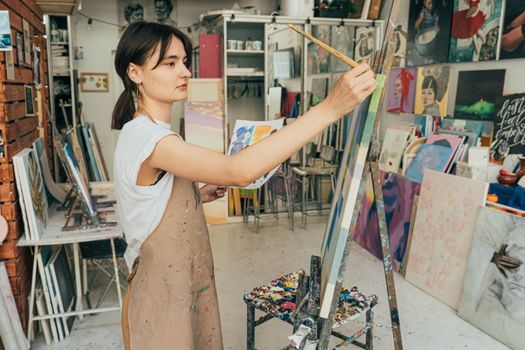
A young female artist painting on a canvas in an art studio filled with creative works. Photo: Adventure Studio / Pexels
Beyond the foundational methods, several advanced painting techniques push the boundaries of artistic expression, often requiring a deeper understanding of the chosen medium and a skilled hand. Sgraffito, for instance, involves scratching through a layer of wet paint to reveal a contrasting color or the underlying surface, creating intricate lines and textures. Chiaroscuro, a technique primarily associated with oil painting, uses strong contrasts between light and dark, usually bold contrasts affecting a whole composition, to create a sense of volume in modeling three-dimensional objects and figures. Alla Prima, or 'wet-on-wet' painting, requires completing a painting in a single session before the paints dry, demanding speed, precision, and confidence. This technique often results in fresh, spontaneous brushwork and vibrant color mixing directly on the canvas. Glazing, as mentioned with oils, can be incredibly complex when building up multiple layers of transparent color to achieve deep, luminous effects that seem to glow from within. However, even experienced artists can fall prey to common pitfalls. Here are some to avoid: * **Overworking:** This is a common mistake, especially with oils and watercolors. Too much blending or layering can lead to muddy colors, loss of freshness, and a dull finish. Knowing when to stop is a crucial skill. * **Lack of Value Study:** Neglecting to plan the light and dark values in a composition can result in a flat, uninteresting painting. A strong value structure is the backbone of any compelling artwork. * **Poor Brush Care:** Neglecting to clean brushes properly can ruin them quickly, affecting paint application and overall technique. Proper maintenance extends the life of your tools and ensures consistent results. * **Ignoring Mediums:** Not utilizing the appropriate mediums (like linseed oil for oils, retarders for acrylics, or gum arabic for watercolors) can limit the paint's potential and make techniques harder to achieve. Experiment with them to understand their effects. * **Fear of Experimentation:** Sticking to one technique or comfort zone can stifle artistic growth. Embrace experimentation, even if it leads to 'failures,' as these are often the best learning opportunities. * **Impatience:** Painting, especially with mediums like oils, requires patience. Rushing the drying process or attempting advanced techniques without foundational skills can lead to frustration and subpar results. By understanding and deliberately avoiding these common mistakes, artists can refine their craft and unlock a wider range of expressive possibilities within any painting medium.

Comparison

FeatureOil PaintingAcrylic PaintingWatercolor Painting
Drying TimeSlow (days)Fast (minutes)Fast (minutes)
TransparencyOpaque to TransparentOpaque to TransparentTransparent
ReworkabilityHigh (wet-on-wet)Limited (dries fast)Moderate (can lift)
Tools CleanupSolvents neededWaterWater
Surface VersatilityCanvas, WoodMost surfacesPaper

What Readers Say

"This article on different types of painting techniques opened my eyes to so many possibilities! I always stuck to acrylics, but now I'm excited to try gouache for its opaque qualities. The detailed explanations are incredibly helpful."

Sophia Rodriguez · Austin, TX

"As an aspiring artist, I found the breakdown of oil painting techniques particularly insightful. The tips on glazing and impasto were exactly what I needed to understand how to add more depth to my work. Truly a premium resource."

David Chen · Seattle, WA

"I've been painting for years, but this guide clarified some advanced techniques I was struggling with, like sgraffito. My recent abstract piece achieved a much richer texture thanks to the advice here, making it a standout in my portfolio."

Emily White · Miami, FL

"A very comprehensive overview of different types of painting techniques. While I wish there were more visual examples, the written descriptions are incredibly thorough and paint a clear picture. The comparison table is a nice touch."

Marcus Green · Chicago, IL

"I teach art to beginners, and I'll be recommending this article to all my students. It breaks down complex ideas into understandable chunks and offers great advice on avoiding common mistakes, making their learning curve much smoother."

Linda Peterson · Denver, CO

Frequently Asked Questions

What is the easiest painting technique for beginners to start with?

For beginners, acrylic painting is often recommended due to its fast drying time, ease of cleanup with water, and versatility. It's less forgiving than oils but more flexible than watercolors, allowing for quick experimentation without a steep learning curve. Gouache is also a great option for its opaque nature and water-solubility.

Can I mix different types of painting techniques in one artwork?

Yes, absolutely! This is known as mixed media art. However, it's crucial to understand the chemical compatibility of different mediums. For instance, you can paint acrylics over oils (once the oils are fully dry), but generally not oils over acrylics. Always ensure proper layering and use compatible grounds to prevent cracking or peeling over time.

How do I achieve smooth blends with oil paints?

Achieving smooth blends with oil paints largely relies on their slow drying time and the 'wet-on-wet' technique. Apply colors side-by-side while they are still wet, then gently use a clean, soft brush to feather the edges where they meet. Using a blending medium or a tiny amount of linseed oil can also help increase fluidity and blending time.

What's the cost difference between various painting mediums?

The cost varies significantly. Student-grade acrylics and watercolors are generally the most affordable to start. Professional-grade oils can be more expensive due to higher pigment concentration and costly binders. Don't forget to factor in brushes, canvases, papers, and solvents, which also contribute to the overall investment. Quality tools can improve your painting experience.

Is watercolor more difficult than acrylic painting?

Many artists find watercolor more challenging initially due to its transparency and the difficulty of correcting mistakes. It requires a different mindset, often working from light to dark and embracing spontaneity. Acrylics, with their opacity and quick drying time, allow for more layering and overpainting, which can feel more forgiving to beginners. Both have unique learning curves.

Who should explore advanced painting techniques?

Anyone with a solid grasp of foundational painting skills and a desire to push their artistic boundaries should explore advanced techniques. It's ideal for artists looking to add more depth, texture, and unique visual effects to their work, or those seeking to develop a more distinct personal style. Continuous learning is key to artistic growth.

Are there any health risks associated with certain painting techniques?

Some traditional oil painting materials, like turpentine and certain pigments (e.g., cadmium, lead), can be toxic if not handled properly. Always ensure good ventilation, avoid ingesting paint, and use gloves when necessary. Modern acrylics and watercolors are generally non-toxic, but it's still good practice to maintain a clean workspace and avoid direct contact with skin or eyes.

What are the emerging trends in painting techniques?

Emerging trends include digital painting that mimics traditional textures, mixed media incorporating unconventional materials, fluid art (like acrylic pouring) for abstract effects, and a renewed interest in traditional techniques applied with a contemporary twist. Artists are constantly experimenting with new tools and combinations to create unique visual languages.

Embark on your creative journey today by experimenting with different types of painting techniques. Whether you're drawn to the classic allure of oils or the vibrant freedom of acrylics, understanding these methods will undoubtedly elevate your artistic expression and open up a world of possibilities for your next masterpiece.

Topics: different types of painting techniquesoil painting techniqueswatercolor painting methodsacrylic art stylesgouache painting
Leo List

DK Escorts LU Escorts AT Escorts SE Escorts FI Escorts CH Escorts DE Escorts HR Escorts IE Escorts GR Escorts CZ Escorts NO Escorts BE Escorts FR Escorts SI Escorts IL Escorts NL Escorts PL Escorts HU Escorts ES Escorts IT Escorts PT Escorts SK Escorts RO Escorts ZA Escorts UY Escorts US Escorts UK Escorts NZ Escorts AU Escorts
Brampton weed
Adultwork EstrelaBet Vai de Bet R7 Bet Betão Galera Bet Rainbet Bet9ja Shop SportyBet BetKing Sisal Loto Foot Hollywoodbets YesPlay Odibets RushBet Jugabet BetWarrior BetCity MSport betPawa Fortebet