The Best Art Supplies for Beginners Painting: Your Ultimate Guide
August 25, 2026 16 min read 3,274 words
Unlock your creative potential with the right tools and techniques, making your first strokes enjoyable and rewarding.
Start Painting Today
Understanding Your Painting Medium Options
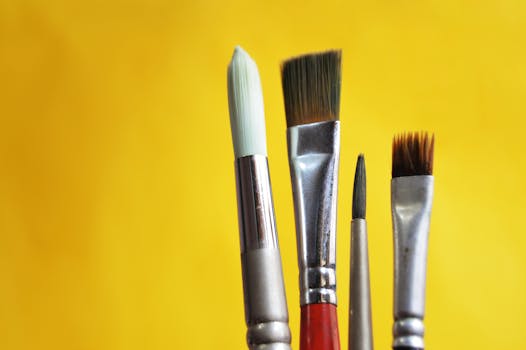 Photo: Miguel Á. Padriñán / Pexels
Embarking on a painting journey is an exciting prospect, but the first hurdle many beginners face is deciding which medium to choose. The world of painting offers a rich tapestry of options, each with its unique characteristics, drying times, and learning curves. For those just starting out, understanding these differences is crucial to selecting the best art supplies for beginners painting that align with your patience, space, and artistic goals. The three most popular choices for beginners are acrylics, watercolors, and oils, and each has its own set of advantages and considerations.
Acrylic paints are often hailed as the most beginner-friendly option, and for good reason. They are water-soluble, meaning you can clean brushes and palettes with just water, and they dry relatively quickly – usually within minutes to an hour, depending on the thickness of the application. This rapid drying time is a double-edged sword; it allows for quick layering and prevents colors from muddling, but it also means you have less time to blend colors directly on the canvas. Acrylics are incredibly versatile; they can be thinned with water to mimic watercolors, or applied thickly like oils. They adhere to almost any surface, from canvas and paper to wood and fabric, making them perfect for experimentation. The vibrant colors and ease of use make acrylics a fantastic starting point for anyone looking to dive into painting without a steep learning curve. When considering
beginner painting kits, acrylic sets are almost always a top recommendation.
Watercolors, on the other hand, offer a delicate and luminous quality that is distinct from acrylics. They are also water-soluble, but their application is characterized by transparency and fluidity. Watercolors require a different approach, focusing on layering washes to build up color and depth. Mistakes can be harder to correct, as the paint stains the paper, but this also encourages a more thoughtful and deliberate painting process. The beauty of watercolors lies in their ability to create soft gradients, ethereal landscapes, and vibrant illustrations with a unique glow. They are portable and require minimal cleanup, making them ideal for artists who prefer working in smaller spaces or on the go. While they might present a slightly steeper learning curve than acrylics due to their unforgiving nature, the rewards of mastering watercolor techniques are immense. Essential art materials for watercolors typically include specific paper, soft brushes, and a pan or tube set of paints.
Oil paints, historically, have been the medium of choice for master painters, known for their rich colors, smooth blending capabilities, and long drying times. This extended drying time, which can range from days to weeks, is precisely what makes oils both challenging and rewarding for beginners. It allows for extensive blending and reworking on the canvas, providing ample opportunity to refine details and achieve seamless transitions. However, oils require solvents for cleanup, which can be strong-smelling and necessitate good ventilation. They also demand a dedicated space and a more involved setup. While not typically recommended as the absolute first choice for painting novices due to these complexities, some beginners are drawn to the traditional feel and profound depth that oils offer. If you're patient and willing to invest in the necessary accessories and learning, oils can be an incredibly fulfilling medium. For those considering oils, starting with a limited palette and a few synthetic brushes can ease the initial investment and learning curve. Regardless of your choice, remember that the best art supplies for beginners painting are those that inspire you to pick up a brush and create.
Essential Tools and Surfaces for Your First Paintings
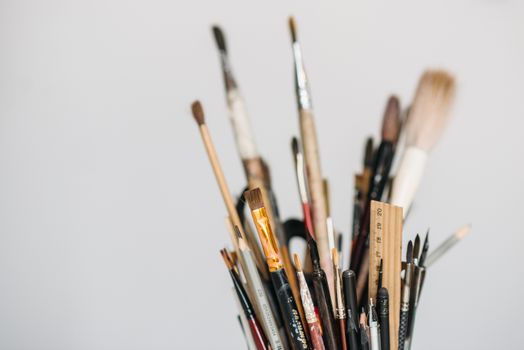 Photo: Pavel Danilyuk / Pexels
Once you've settled on a painting medium, the next crucial step is to gather the essential tools and surfaces that will bring your artistic visions to life. Having the right equipment, even basic items, can significantly impact your learning experience and the quality of your early works. This section focuses on the fundamental best art supplies for beginners painting, ensuring you have a solid foundation without overspending.
Brushes are arguably the most important tool in a painter's arsenal. For beginners, it's not about having dozens of brushes, but rather a small selection of versatile ones. A good starter set typically includes a few different shapes and sizes: a large flat brush for covering broad areas, a medium round brush for general painting and details, and a small detail brush for fine lines. Synthetic brushes are often recommended for beginners as they are durable, versatile, and work well with both acrylics and watercolors. They are also easier to clean and more affordable than natural hair brushes. When choosing brushes, look for sets that offer a good variety without being overwhelming. Quality matters here; cheap brushes can shed bristles, lose their shape quickly, and make painting more frustrating than it needs to be. Investing a little more in a decent set will pay dividends in your learning journey.
Beyond brushes, a palette is indispensable for mixing colors. For acrylics and oils, a simple ceramic plate, a plastic palette with wells, or even a waxed paper plate can work perfectly. For watercolors, a ceramic palette or a dedicated watercolor mixing tray is ideal, as the paint won't bead up as much. Don't feel pressured to buy an expensive palette; functionality is key. You'll also need containers for water (for acrylics and watercolors) or solvent (for oils). Old plastic cups or jars are perfect for this purpose. A roll of paper towels or a rag is also essential for wiping brushes and cleaning up spills.
Choosing the right surface is equally important. For acrylics, stretched canvas, canvas boards, or heavy paper (like mixed media paper or acrylic paper) are excellent choices. Canvas boards are generally more affordable and easier to store than stretched canvases, making them ideal for practice. For watercolors, specific watercolor paper is a must. Its thickness and texture are designed to handle the amount of water used in watercolor painting without buckling or tearing. Look for cold-press watercolor paper, which has a slight texture and is forgiving for beginners. For oils, primed canvas or canvas boards are standard. The priming prevents the oil from soaking into the fibers and damaging the surface over time. Starting with smaller surfaces can also be less intimidating and allow you to complete more pieces, building confidence faster. Remember, the goal is to practice and experiment, so don't hesitate to use more affordable surfaces for your initial explorations. The best art supplies for beginners painting are those that facilitate learning and allow for joyful experimentation, and these basic tools and surfaces are your gateway to that experience.
Building Your Beginner Color Palette and Understanding Color Theory
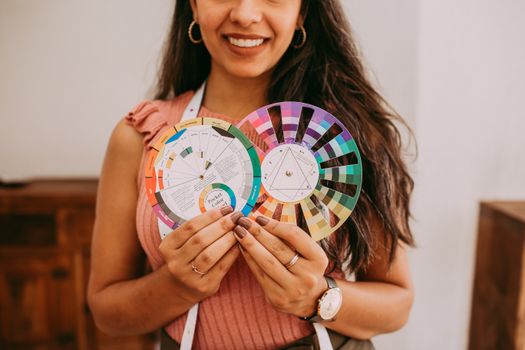 Photo: Helena Lopes / Pexels
One of the most exciting, yet potentially daunting, aspects of painting for beginners is navigating the vast world of color. Many new artists are tempted to buy every color imaginable, only to find themselves overwhelmed and struggling with color mixing. For the best art supplies for beginners painting, a strategic approach to your color palette is far more effective than simply accumulating tubes. Starting with a limited, foundational set of colors not only saves money but also forces you to learn crucial color theory principles, which are invaluable for any artist.
For most painting mediums, a basic beginner palette should include primary colors: a warm red, a cool red, a warm blue, a cool blue, a warm yellow, and a cool yellow. Adding white and black (or a neutral gray) completes this essential set. This seemingly small collection of colors is incredibly powerful. From these primaries, you can mix an astonishing array of secondary colors (orange, green, purple) and tertiary colors (red-orange, yellow-green, blue-violet, etc.). Learning to mix your own colors deepens your understanding of how colors interact and allows you to achieve a harmonious palette in your paintings. For instance, mixing a warm yellow with a cool blue will yield a different green than mixing a cool yellow with a warm blue. This nuance is vital for creating depth and mood in your artwork.
Understanding color mixing is a foundational skill that will serve you throughout your artistic journey.
Beyond the primary and secondary colors, understanding basic color theory concepts will elevate your beginner paintings. The color wheel is your best friend here. It visually demonstrates the relationships between colors: complementary colors (opposite each other on the wheel, like red and green) create high contrast and vibrancy when placed next to each other; analogous colors (next to each other, like blue, blue-green, and green) create harmonious and soothing palettes; and monochromatic schemes use different shades and tints of a single color for subtle variations. Experimenting with these relationships will help you make intentional color choices rather than just picking colors at random.
When purchasing paints, especially for acrylics or oils, consider artist-grade student paints. These offer a good balance between quality and affordability. While professional-grade paints have a higher pigment concentration and smoother consistency, they are also significantly more expensive. Student-grade paints provide sufficient quality for learning and practice without breaking the bank. For watercolors, pan sets are often a convenient and cost-effective way to start, as they are easy to use and portable. Tubes offer more concentrated pigment but can be more challenging to manage for beginners.
Finally, don't underestimate the power of white and black. White is essential for lightening colors and creating tints, while black can be used to darken colors and create shades. However, be mindful when using black, as it can sometimes make colors appear dull or muddy. Many artists prefer to mix their own darks using complementary colors or deep blues and browns to achieve richer, more nuanced shadows. Building your beginner color palette with intention and delving into basic color theory will empower you to make confident color choices and create more expressive and visually appealing paintings, making your initial investment in the best art supplies for beginners painting truly worthwhile.
Tips for Success and Common Beginner Mistakes to Avoid
 Photo: Tahir Xəlfəquliyev / Pexels
Starting a new hobby like painting can be incredibly rewarding, but it also comes with its share of challenges. To ensure a positive and productive experience with your best art supplies for beginners painting, it's helpful to be aware of common pitfalls and adopt practices that foster growth and enjoyment. Here are some key tips for success and mistakes to steer clear of as you embark on your artistic journey:
**Tips for Success:**
* **Start Small and Simple:** Don't try to paint a masterpiece on your first attempt. Begin with simple subjects like fruits, geometric shapes, or basic landscapes. This allows you to focus on fundamental techniques without the pressure of complex compositions.
* **Embrace Imperfection:** Every artist makes mistakes. View them as learning opportunities rather than failures. The process of learning to paint is iterative; each attempt, successful or not, contributes to your skill development.
* **Practice Regularly:** Consistency is more important than the duration of each session. Even 15-30 minutes of painting a few times a week can lead to significant improvement over time. Regular practice builds muscle memory and reinforces learned techniques.
* **Experiment with Techniques:** Don't be afraid to try different brushstrokes, color combinations, and application methods. Experimentation is key to discovering your unique style and what works best for you.
* **Observe the World Around You:** Pay attention to light, shadow, color, and texture in everyday objects and scenes. This keen observation will inform your painting and help you translate what you see onto your canvas.
* **Learn from Others:** Watch tutorials (online or in person), read books, and observe other artists' work. You don't have to copy, but you can gain valuable insights and inspiration from how others approach painting.
* **Keep Your Supplies Organized:** A tidy workspace allows for a smoother creative flow. Knowing where everything is will save you time and frustration.
**Common Beginner Mistakes to Avoid:**
* **Buying Too Many Supplies Too Soon:** As discussed, a limited, high-quality set of essential art materials is far better than a large collection of cheap, unused items. Resist the urge to overbuy until you know what you truly enjoy and need.
* **Comparing Yourself to Professional Artists:** It's inspiring to see advanced work, but comparing your beginner efforts to a seasoned professional's output can be discouraging. Focus on your own progress and celebrate small victories.
* **Not Cleaning Brushes Properly:** Allowing paint to dry in your brushes will ruin them quickly. Always clean your brushes thoroughly immediately after use, especially with acrylics and oils.
* **Using Too Much Water (Watercolors) or Too Little (Acrylics/Oils):** Getting the right paint consistency is crucial. Too much water in watercolors can lead to muddy colors and buckling paper. Too little water or medium in acrylics/oils can make the paint stiff and difficult to work with.
* **Painting Too Dark Too Soon:** It's generally easier to add darker values than to lighten areas. Start with lighter washes or thin layers and gradually build up your darks.
* **Giving Up After a Few Attempts:** Learning any new skill takes time and perseverance. There will be frustrating moments, but pushing through them is how you grow as an artist. Remember why you started and keep enjoying the process.
By keeping these tips in mind and actively avoiding common pitfalls, your journey with the best art supplies for beginners painting will be much more enjoyable and lead to greater artistic fulfillment.
