Unlocking Wellness: The Benefits of Art Therapy
August 13, 2026 16 min read 3,275 words
Harness the power of creative expression to foster healing, self-discovery, and profound personal growth.
Explore Your Creativity
The Transformative Power of Creative Expression in Therapy
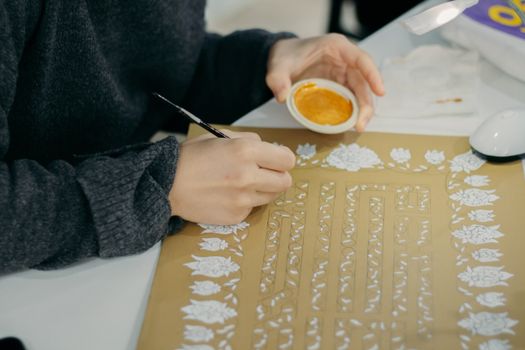 Photo: Sedanur Kunuk / Pexels
Art therapy is a distinct mental health profession that enriches the lives of individuals, families, and communities through active art-making, creative process, applied psychological theory, and human experience within a psychotherapeutic relationship. It is not merely about drawing or painting; it is a profound journey of self-discovery and healing where the creative process itself becomes the primary tool for communication and understanding. Unlike traditional talk therapy, which relies heavily on verbal articulation, art therapy provides an alternative avenue for expression, particularly beneficial for those who find it challenging to put their feelings into words. This can include individuals dealing with trauma, children, or those with certain developmental or cognitive challenges. The act of creating art allows for the externalization of internal experiences, making abstract emotions tangible and thus more manageable to process. It offers a safe distance from overwhelming feelings, enabling individuals to explore difficult subjects metaphorically before confronting them directly. The materials themselves – the vibrant colors, the tactile clay, the flowing paint – can evoke different sensations and memories, unlocking pathways to the subconscious that might otherwise remain hidden. This non-verbal communication is particularly powerful for addressing deeply rooted issues that may predate language or are too painful to articulate verbally. The therapist acts as a guide, interpreting the client's creative process and product, not as an art critic, but as a facilitator of insight. They help the client understand the symbols, colors, and forms that emerge, connecting them to their life experiences, emotions, and personal narratives. This collaborative exploration fosters a deeper understanding of oneself and one's place in the world. The beauty of art therapy lies in its accessibility; no prior artistic skill or talent is required. The emphasis is always on the process of creation and the insights gained, rather than the aesthetic quality of the final product. This removes the pressure of performance, allowing for authentic and uninhibited expression. For many, this freedom from judgment is liberating, encouraging experimentation and a willingness to explore uncomfortable truths. The therapeutic relationship, built on trust and empathy, is crucial in this process, providing a secure base from which clients can venture into their inner landscapes. The engagement with art materials can also be inherently calming and meditative, reducing stress and anxiety. The focus required to create can pull individuals away from ruminative thoughts, anchoring them in the present moment. This mindful engagement is a significant component of the healing process, promoting a sense of control and agency. Furthermore, the completion of an artwork, regardless of its perceived artistic merit, can instill a sense of accomplishment and boost self-esteem, reinforcing the individual's capacity for creation and problem-solving. Through various art modalities, individuals can explore identity, manage behavioral issues, reduce stress, improve cognitive and sensory motor functions, and enhance self-esteem and awareness. The
diverse applications of art therapy make it a versatile and powerful tool for a wide range of therapeutic goals. It's a journey where every stroke, every color, and every form contributes to a richer understanding of the self, paving the way for profound personal growth and lasting well-being.
Boosting Mental Health and Emotional Regulation Through Art
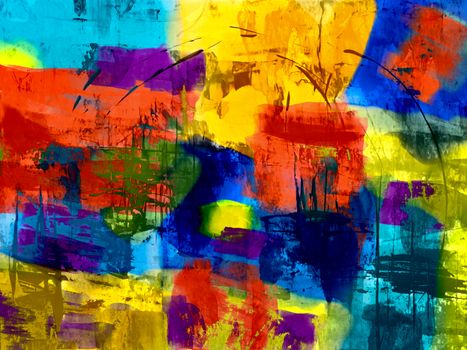 Photo: Steve A Johnson / Pexels
One of the most significant benefits of art therapy lies in its profound impact on mental health and emotional regulation. In a world increasingly fraught with stress, anxiety, and depression, finding effective coping mechanisms is paramount. Art therapy offers a unique and highly effective pathway to managing these challenges. By engaging in creative activities, individuals can externalize their internal struggles, giving form and color to emotions that might otherwise feel overwhelming and intangible. For instance, someone experiencing intense anger might choose to use aggressive brushstrokes and dark, fiery colors, allowing them to safely express and release that emotion without causing harm. Similarly, feelings of sadness or grief can be explored through somber palettes or fragmented compositions, providing a visual narrative of their internal state. This process of externalization is therapeutic in itself, as it creates a psychological distance from the emotion, making it easier to observe, understand, and eventually process. Moreover, art therapy provides a non-verbal outlet for emotions that are difficult to articulate. Many individuals, especially those who have experienced trauma or who struggle with alexithymia (difficulty identifying and describing emotions), find it challenging to put their feelings into words. Art bypasses this verbal barrier, allowing for a more direct and intuitive expression of the inner world. The act of creating can also be incredibly calming and meditative. The focused attention required for art-making can serve as a powerful distraction from intrusive thoughts and worries, grounding individuals in the present moment. This mindful engagement can reduce physiological symptoms of stress, such as a racing heart or tense muscles, promoting a sense of relaxation and inner peace. Regular engagement in art therapy can also significantly improve emotional regulation skills. As individuals learn to identify and express their emotions through art, they become more attuned to their internal states. This heightened self-awareness is the first step towards developing healthier coping strategies. By experimenting with different artistic approaches, clients can explore various ways to respond to their emotions, discovering what brings them comfort, clarity, or resolution. For example, a client struggling with anxiety might create a chaotic piece reflecting their internal state, and then, guided by the therapist, work on transforming it into something more harmonious, visually representing their journey towards calm. This experiential learning translates into real-world skills, empowering individuals to better manage their emotional responses outside of the therapy session. Furthermore, art therapy can foster a sense of mastery and self-efficacy. Completing an artwork, regardless of its aesthetic appeal, can be a source of pride and accomplishment. This boosts self-esteem and confidence, which are crucial for mental well-being. It reinforces the belief that one is capable of creating, solving problems, and navigating challenges. For those struggling with depression, this sense of agency can be particularly vital, counteracting feelings of helplessness and hopelessness. The collaborative aspect of art therapy, where the client and therapist explore the artwork together, also plays a crucial role. The therapist provides a supportive and non-judgmental space for reflection, helping the client interpret their creations and connect them to their life experiences. This dialogue deepens insights, validates feelings, and facilitates the integration of new understandings into one's sense of self. The symbolic language of art often reveals unconscious thoughts and feelings, offering profound insights that might not emerge through verbal communication alone. In essence, art therapy provides a holistic approach to mental health, addressing cognitive, emotional, and behavioral aspects through the creative process. It empowers individuals to confront their inner world, heal past wounds, and develop resilience, leading to a more balanced and fulfilling emotional life.
Enhancing Self-Discovery and Personal Growth Through Creative Expression
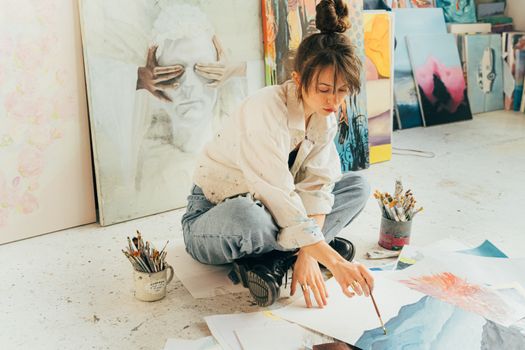 Photo: Adventure Studio / Pexels
Beyond addressing immediate mental health concerns, art therapy serves as a powerful catalyst for profound self-discovery and enduring personal growth. The act of creating art is inherently an act of self-expression, and through this process, individuals gain invaluable insights into their inner workings, their identity, and their place in the world. When we engage with art materials, we are not just making marks on a page or shaping clay; we are externalizing aspects of our subconscious, bringing hidden thoughts, feelings, and memories to the surface. This can be a revelatory experience, as patterns, symbols, and narratives emerge that we might not have consciously recognized before. For example, recurring motifs in a series of artworks might point to unresolved conflicts, deeply held beliefs, or aspirations that have been dormant. The therapist, trained to observe and facilitate this process, helps the client interpret these visual cues, connecting them to their life story and current challenges. This collaborative exploration fosters a deeper understanding of one's motivations, fears, and desires. One of the key ways art therapy facilitates self-discovery is by providing a safe space for experimentation and play. In our adult lives, we often lose touch with the spontaneous, uninhibited creativity of childhood. Art therapy reintroduces this element of play, allowing individuals to explore different facets of their personality without judgment. Trying new materials, experimenting with colors, or adopting different artistic styles can reveal previously unknown preferences, strengths, or even hidden talents. This exploration can be incredibly empowering, expanding one's sense of self and capability. It encourages a willingness to take risks, both artistically and in life, fostering resilience and adaptability. Moreover, art therapy can be particularly effective in helping individuals process and integrate past experiences, especially those that are traumatic or difficult to recall verbally. Trauma often manifests as fragmented memories or somatic sensations, making it hard to construct a coherent narrative. Art provides a non-linear, symbolic language through which these fragments can be expressed and gradually reassembled. Creating images related to a traumatic event, for instance, can help externalize the experience, allowing the individual to gain a sense of control over it and begin the healing process. The artwork becomes a tangible representation of their journey, a testament to their survival and resilience. This process of externalization and re-narration is crucial for moving beyond the grip of past events and fostering post-traumatic growth. Personal growth in art therapy is also deeply intertwined with the development of self-esteem and self-acceptance. Many individuals struggle with self-criticism and feelings of inadequacy. The art therapy environment, with its emphasis on process over product and non-judgmental exploration, directly counters these negative internal narratives. As clients create, they learn to trust their intuition, make choices, and witness the tangible results of their efforts. The completion of an artwork, regardless of its aesthetic value, provides a sense of accomplishment and validates their creative voice. This positive reinforcement gradually builds self-confidence and fosters a more compassionate relationship with oneself. The insights gained in art therapy often extend beyond the session, influencing how individuals interact with the world and make decisions. By understanding their emotional triggers, their coping mechanisms, and their core values through their art, clients are better equipped to navigate life's challenges with greater awareness and intentionality. They learn to listen to their inner wisdom, make choices that align with their authentic self, and cultivate a more fulfilling and meaningful existence. The journey of self-discovery through art is continuous, offering ongoing opportunities for reflection, evolution, and a deeper connection to one's true essence. It's a testament to the idea that
art is not just about beauty, but about profound personal transformation.
Practical Applications and Tips for Engaging with Art Therapy
 Photo: Pavel Danilyuk / Pexels
Art therapy is a versatile modality with practical applications across a wide spectrum of populations and conditions. It's not exclusive to those with severe mental health diagnoses; rather, it offers significant benefits for anyone seeking personal growth, stress reduction, or improved self-understanding. Understanding where and how art therapy is applied can help individuals determine if it's the right path for them. It is commonly used in hospitals, mental health clinics, rehabilitation centers, schools, community centers, and private practices. Art therapists work with diverse clients, including children and adolescents facing behavioral issues, adults managing chronic stress or anxiety, veterans coping with PTSD, individuals recovering from addiction, and seniors dealing with cognitive decline or grief. The beauty of art therapy lies in its adaptability; sessions can be tailored to individual needs, whether in one-on-one settings or group environments.
**Tips for Engaging with Art Therapy:**
* **Embrace the Process, Not the Product:** This is perhaps the most crucial tip. Release any expectations of creating a 'masterpiece.' The value lies in the act of creation, the choices you make, and the feelings that arise, not in the aesthetic outcome. Your art is a reflection of your inner world, not a test of your artistic skill.
* **Be Open to Experimentation:** Don't limit yourself to familiar materials or techniques. Your therapist will offer a range of options – paints, clay, pastels, collage, found objects. Trying something new can unlock unexpected insights and ways of expressing yourself. Allow yourself to be playful and curious.
* **Trust Your Intuition:** When choosing colors, shapes, or subjects, go with what feels right in the moment. There's no 'wrong' way to make art in therapy. Your subconscious often guides your hands, revealing what needs attention.
* **Reflect and Discuss:** The conversation with your therapist after creating is as vital as the art-making itself. Be honest about what you felt, thought, and noticed during the process. The therapist will help you connect your art to your life experiences, but your insights are paramount.
* **Maintain a Journal:** Alongside your art, consider keeping a journal to jot down thoughts, feelings, or memories that emerge during or after your art-making. This can help deepen your understanding and track your therapeutic journey.
* **Seek a Qualified Art Therapist:** Ensure your therapist is credentialed (e.g., ATR-BC in the US). A qualified professional has the necessary training in both art and psychology to guide you safely and effectively through the therapeutic process. They provide a secure and ethical framework for your healing journey.
* **Be Patient with Yourself:** Healing and self-discovery are not linear processes. Some sessions might feel profound, others might feel less impactful. Be patient, compassionate, and consistent with your engagement. The cumulative effect of art therapy often unfolds over time, revealing gradual but significant shifts in perspective and well-being. Remember, art therapy is a journey of exploration, not a destination, offering a unique and powerful path to self-understanding and emotional resilience.
