Unlocking Calm: The Benefits of Art Therapy for Anxiety
art therapy for anxiety

Unlocking Calm: The Benefits of Art Therapy for Anxiety

Explore how engaging with creative processes can profoundly reduce anxiety, foster self-expression, and enhance emotional regulation.

Start Your Journey

Key Takeaways

  • ✓ Art therapy provides a non-verbal outlet for complex emotions, which is particularly beneficial for individuals struggling to articulate their anxiety.
  • ✓ Engaging in creative activities can activate the parasympathetic nervous system, leading to physiological calming effects.
  • ✓ It fosters mindfulness and presence, diverting attention from anxious thoughts and promoting a state of flow.
  • ✓ Art therapy can build self-esteem and self-awareness as individuals gain mastery over their creative process and interpret their internal world.

How It Works

1
Engage in Creative Expression

Participants are encouraged to use various art materials—paints, clay, markers—to create without judgment. This initial step focuses on the process, not the product, allowing for spontaneous emotional release.

2
Explore Non-Verbal Communication

The artwork becomes a visual metaphor for internal experiences that may be difficult to put into words. This can reveal underlying anxieties and coping mechanisms in a safe, indirect manner.

3
Process and Reflect

A trained art therapist guides the individual in reflecting on their creation. This involves discussing colors, shapes, themes, and feelings evoked, connecting the artwork to their personal experiences with anxiety.

4
Develop Coping Strategies

Through this reflective process, individuals gain insight into their anxiety triggers and patterns. The therapist then helps them develop new perspectives and healthier coping strategies, often incorporating continued creative practices.

Understanding Anxiety and the Power of Creative Expression
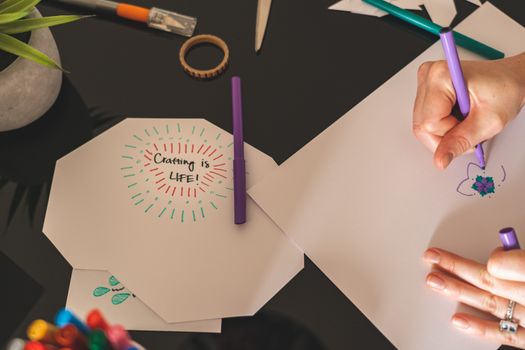
Hands creating art with markers on paper. Emphasizes creativity and artsy crafts. Photo: Castorly Stock / Pexels
Anxiety is more than just feeling stressed; it's a complex mental health condition characterized by persistent, excessive worries, fear, and apprehension. These feelings can interfere with daily life, manifesting physically as a racing heart, shortness of breath, and muscle tension, and mentally as difficulty concentrating, irritability, and sleep disturbances. In the United States, anxiety disorders are among the most common mental illnesses, affecting millions of adults annually. Traditional therapeutic approaches, such as Cognitive Behavioral Therapy (CBT) and medication, are highly effective for many, but for some, a non-verbal, experiential approach can unlock deeper levels of healing and self-discovery. This is where art therapy shines as a powerful complementary or standalone intervention. Art therapy, as defined by the American Art Therapy Association, is a mental health profession that uses the creative process of art-making to improve and enhance the physical, mental, and emotional well-being of individuals of all ages. It's not about artistic talent; it's about the journey of creation and what that journey reveals. For those grappling with anxiety, the very act of engaging in creative expression can be profoundly calming. It provides a much-needed distraction from the incessant chatter of anxious thoughts, grounding individuals in the present moment. The tactile nature of working with materials—the feel of clay in your hands, the brushstrokes on a canvas, the vibrant colors spreading across paper—can be incredibly soothing. This sensory engagement helps to activate the parasympathetic nervous system, which is responsible for the body’s 'rest and digest' functions, counteracting the 'fight or flight' response often triggered by anxiety. This immediate physiological shift is one of the foundational benefits of art therapy for anxiety, offering a tangible sense of relief even before deeper psychological processing begins. Moreover, the freedom to create without judgment fosters a sense of psychological safety, allowing individuals to explore difficult emotions in a contained and manageable way. It’s a unique form of self-care that acknowledges the multifaceted nature of human experience and offers a creative outlet where words often fail. This initial engagement often paves the way for deeper self-exploration and understanding of one's anxiety patterns, making it an invaluable tool in the therapeutic toolkit. Explore more creative outlets for well-being.

Non-Verbal Communication and Emotional Processing

One of the most significant benefits of art therapy for anxiety lies in its capacity for non-verbal communication and emotional processing. Anxiety often manifests as a tangled web of thoughts and feelings that can be incredibly difficult to articulate verbally. Many individuals find themselves struggling to put words to their internal experiences, leading to frustration and a sense of being misunderstood or unable to fully express their distress. Art provides a universal language that transcends verbal limitations. When words fail, images, colors, and forms can speak volumes. A chaotic swirl of dark colors might represent overwhelming fear, while a strong, defined line could symbolize a desire for control. A fragmented collage might reflect feelings of disassociation, whereas a carefully constructed sculpture could indicate a search for inner stability. The artwork becomes a tangible representation of the internal world, a visual metaphor that can be observed, analyzed, and understood in a new light. This process is not merely about creating a pretty picture; it's about externalizing internal states. By giving form to formless anxieties, individuals can gain a sense of distance and objectivity. Instead of being consumed by their anxiety, they can look at it, explore its characteristics, and begin to understand its nuances. This externalization is a crucial step in emotional processing. It allows for a safe exploration of emotions that might otherwise feel too overwhelming or threatening to confront directly. The art therapist plays a vital role here, guiding the individual through a reflective process. They might ask questions like, "Tell me about the colors you chose," or "What does this shape represent to you?" These prompts encourage introspection and help individuals connect their artistic choices to their emotional experiences. This dialogue bridges the gap between the non-verbal art and verbal understanding, helping individuals to develop a richer vocabulary for their feelings and anxieties. Over time, this repeated practice of externalizing, reflecting, and verbalizing can lead to profound insights into anxiety triggers, patterns, and underlying causes. It empowers individuals to develop a deeper self-awareness, which is a critical foundation for managing and ultimately reducing anxiety. This unique form of communication fosters a sense of agency and control over one's emotional landscape, moving from feeling overwhelmed by anxiety to actively understanding and addressing it. Furthermore, the art itself can serve as a record of progress, allowing individuals to visually track their journey and acknowledge their growth in managing their anxiety.

Mindfulness, Self-Esteem, and Coping Skill Development

Beyond immediate relief and emotional processing, the benefits of art therapy for anxiety extend to fostering mindfulness, enhancing self-esteem, and developing robust coping skills. The act of creating art inherently demands presence and focus. When you're mixing paints, sculpting clay, or meticulously drawing, your attention is naturally drawn away from anxious rumination and anchored to the task at hand. This immersive experience is a form of active mindfulness, engaging the senses and bringing you into the present moment. This 'flow state,' as described by psychologist Mihaly Csikszentmihalyi, is characterized by complete absorption in an activity, where time seems to disappear, and self-consciousness fades. For individuals with anxiety, this can be incredibly therapeutic, offering a much-needed respite from intrusive thoughts and worries about the past or future. Regular engagement in such mindful activities helps to train the brain to stay present, reducing the tendency to dwell on anxious scenarios. Furthermore, art therapy provides a unique avenue for building self-esteem and self-efficacy. Many people who experience anxiety also struggle with feelings of inadequacy or self-doubt. The creative process, regardless of artistic skill, offers opportunities for success and accomplishment. Completing a piece of art, no matter how simple, can evoke a sense of pride and competence. It’s a tangible representation of effort and achievement. As individuals experiment with different materials and techniques, they discover their own capabilities and resilience. The process of making choices, solving creative challenges, and seeing a project through to completion can significantly boost confidence. This newfound self-assurance can then translate into other areas of life, empowering individuals to face anxiety-provoking situations with greater courage and conviction. The art therapist fosters a non-judgmental environment, emphasizing the process of creation over the final product, which further supports self-acceptance and reduces performance anxiety often associated with traditional art classes. Finally, art therapy is instrumental in developing practical coping skills for managing anxiety. Through the creative process, individuals can experiment with different ways of responding to stress. For instance, they might create an image of their anxiety and then visually 'contain' or 'transform' it within the artwork. This symbolic manipulation can help them practice new ways of thinking about and interacting with their anxiety in real life. They might also learn relaxation techniques integrated with art-making, such as mindful doodling or creating mandalas. The artwork itself can become a coping tool, a visual reminder of strength, calm, or progress. Individuals can create a 'worry box' to symbolically place their anxieties in, or a 'safe space' collage to visualize and reinforce feelings of security. The tangible nature of art makes these coping mechanisms more concrete and accessible, providing a personalized toolkit for navigating anxious moments. This combination of mindfulness, boosted self-esteem, and practical coping strategies makes art therapy a holistic and powerful approach to anxiety management. Discover diverse artistic techniques for stress reduction.

Practical Considerations and Tips for Starting Art Therapy for Anxiety

Embarking on art therapy for anxiety can be a transformative journey, but understanding the practical aspects and having some tips can make the process smoother and more effective. It's important to remember that art therapy is a professional mental health service. While engaging in creative activities at home can be beneficial, structured art therapy sessions are led by credentialed art therapists who possess expertise in both art and psychology. These professionals are trained to interpret visual metaphors, facilitate emotional processing, and guide individuals toward therapeutic insights. When seeking an art therapist, look for credentials such as ATR (Registered Art Therapist) or ATR-BC (Board Certified Art Therapist) in the United States, which ensure they have met rigorous educational and clinical standards. You can often find qualified therapists through the American Art Therapy Association's directory or by asking for referrals from your primary care physician or other mental health professionals. **Tips for a Successful Art Therapy Experience:** * **Embrace the process, not the product:** Let go of the need for your art to look 'good.' The value comes from the act of creation and the insights it uncovers, not from artistic skill. * **Be open to exploration:** Experiment with different materials—paints, clay, collage, drawing. Each medium can evoke different feelings and facilitate unique forms of expression. * **Trust your instincts:** Allow your hands to guide you. Don't overthink what you're creating; let it emerge organically. * **Be honest with your therapist:** The more open you are about your feelings and interpretations of your art, the more effective the therapy will be. * **Don't be afraid to feel:** Art therapy can bring up strong emotions. This is a normal and healthy part of the healing process. * **Consider a mix of individual and group sessions:** While individual sessions offer personalized attention, group art therapy can provide a sense of community and shared experience, reducing feelings of isolation often associated with anxiety. * **Integrate art into your daily life:** Even outside of therapy sessions, continue to engage in creative activities that bring you joy and calm. This reinforces the coping skills learned in therapy. **Common Mistakes to Avoid:** * **Judging your artistic ability:** This is not an art class; it's therapy. There's no right or wrong way to create. * **Expecting immediate cures:** Healing from anxiety is a process, and art therapy is a tool to support that journey. Be patient with yourself. * **Dismissing the symbolic meaning:** While some art may seem random, often there are subconscious messages waiting to be uncovered with your therapist's guidance. * **Not advocating for your needs:** If a particular material or exercise doesn't resonate, communicate this to your therapist. The therapy should be tailored to you. By approaching art therapy with an open mind and a willingness to engage, you can unlock its profound potential to alleviate anxiety and foster lasting emotional well-being.

Comparison

FeatureArt TherapyTraditional Talk Therapy (CBT/DBT)Medication
Primary ModalityNon-verbal, creative expressionVerbal processing, cognitive restructuringPharmacological intervention
FocusEmotional processing, self-discovery, coping skills through artThought patterns, behavioral changes, interpersonal skillsSymptom reduction, chemical balance
Engagement LevelActive, sensory, experientialVerbal, cognitive, reflectivePassive (ingestion)
Self-Expression✓ Direct, symbolic✓ Verbal, direct✗ Indirect (symptom relief)
Coping Skills✓ Developed through creative practice✓ Taught and practiced verbally✗ Indirect (relief allows for skill development)
Side EffectsMinimal, emotional intensityEmotional discomfort, homeworkPhysical side effects, withdrawal
Accessibility for Non-Verbal✓ Excellent✗ Challenging✓ Good (symptom relief)
Long-Term ImpactHolistic well-being, sustained copingCognitive restructuring, behavioral changeSymptom management, potential for relapse without other support

What Readers Say

"Art therapy has been a game-changer for my generalized anxiety. I used to feel so overwhelmed, but painting gives me a quiet space to process without having to find the 'right' words. I feel so much calmer and more in control after each session."

Sarah J. · Austin, TX

"I was skeptical at first, but the benefits of art therapy for anxiety are real. I struggled to talk about my panic attacks, but drawing them helped me understand what was happening inside. It's like my anxiety has a voice now, and I can listen to it."

Michael D. · Portland, OR

"After just a few months of art therapy, my chronic worry has significantly decreased. My therapist helped me create a 'calm box' of art pieces I made, and looking at them instantly brings me peace when I feel overwhelmed. It's truly transformative."

Emily R. · Chicago, IL

"While it took a bit to get used to, art therapy has provided a unique outlet for my social anxiety. It's not a magic bullet, but it has definitely helped me explore underlying fears and feel more comfortable expressing myself, even if it's not always perfect."

David L. · Miami, FL

"As a veteran with PTSD and anxiety, traditional therapy felt too intense. Art therapy offered a gentle way to confront my trauma and anxiety. The non-verbal aspect allowed me to safely process emotions that were too painful to articulate directly."

Jessica M. · Denver, CO

Frequently Asked Questions

What specifically are the benefits of art therapy for anxiety?

Art therapy offers numerous benefits for anxiety, including providing a safe, non-verbal outlet for emotional expression, reducing stress through mindful engagement, fostering self-awareness and self-esteem, and developing new coping mechanisms. It helps externalize anxieties, making them easier to process and understand, often leading to a significant reduction in symptoms.

Do I need artistic talent to benefit from art therapy for anxiety?

Absolutely not. Artistic talent is irrelevant in art therapy. The focus is on the creative process itself and what it reveals about your inner world, not on producing a masterpiece. The therapist will guide you to explore materials and express yourself without judgment about the aesthetic quality of your work.

How do I find a qualified art therapist for anxiety treatment?

To find a qualified art therapist, you can start by searching the American Art Therapy Association's directory, which lists credentialed professionals. You can also ask for referrals from your doctor, a mental health clinic, or other trusted healthcare providers. Ensure the therapist is registered (ATR) or board-certified (ATR-BC).

Is art therapy for anxiety covered by insurance, and what is the typical cost?

Coverage for art therapy varies. Some insurance plans cover it, especially if it's provided by a licensed mental health professional. It's essential to contact your insurance provider directly to inquire about coverage for 'art therapy' or 'psychotherapy' services. Out-of-pocket costs can range from $75 to $200+ per session, depending on location, therapist's experience, and session length.

How does art therapy compare to traditional talk therapy for anxiety?

Art therapy complements or can be an alternative to talk therapy. While talk therapy relies on verbal communication to process thoughts and emotions, art therapy uses creative expression as the primary mode. It can be particularly effective for those who struggle to verbalize their feelings or who benefit from a more experiential and sensory approach to healing. Many find a combination of both to be most beneficial.

Who should consider art therapy for anxiety?

Anyone struggling with anxiety can consider art therapy, especially those who find it difficult to express their emotions verbally, individuals experiencing trauma, children and adolescents, or those seeking a holistic and creative approach to mental well-being. It's suitable for various anxiety disorders, including GAD, social anxiety, panic disorder, and PTSD.

Are there any risks associated with art therapy for anxiety?

Art therapy is generally safe, but like any therapeutic process, it can sometimes evoke strong emotions or uncomfortable memories. A qualified art therapist is trained to manage these responses in a supportive and safe environment. It's crucial to work with a professional who can guide you through potentially challenging emotional releases.

What are the future trends for art therapy in anxiety treatment?

Future trends in art therapy for anxiety include increased integration with technology (e.g., digital art therapy, virtual reality art experiences), greater emphasis on neuroscientific research to understand its impact on the brain, and expanded accessibility through telehealth services. There's also a growing recognition of its role in preventative mental health and community-based wellness programs.

Ready to discover a new path to calm and well-being? Explore the transformative benefits of art therapy for anxiety and unlock your inner resilience. Connect with a qualified art therapist today and begin your journey towards a more peaceful and expressive life.

Topics: art therapy for anxietyanxiety relief through artcreative therapy for anxietymental health artexpressive arts anxiety
Leo List
Brampton weed
Adultwork