Unveiling the Art History Timeline: A Journey Through Eras
art history timeline

Unveiling the Art History Timeline: A Journey Through Eras

Embark on an enlightening journey through the evolution of human creativity, understanding art's profound impact on civilization.

Start Your Art Journey

Key Takeaways

  • ✓ Art history encompasses over 40,000 years of human creative expression.
  • ✓ Major art movements often reflect significant societal, political, and technological shifts.
  • ✓ The concept of 'art' has evolved dramatically across different cultures and periods.
  • ✓ Understanding art history provides insight into human civilization's development and values.

How It Works

1
Explore Ancient Foundations

Begin with prehistoric and ancient civilizations, uncovering the earliest forms of artistic expression and their spiritual significance.

2
Navigate Classical & Medieval Eras

Journey through the classical ideals of Greece and Rome, then delve into the religious fervor and intricate craftsmanship of the Middle Ages.

3
Discover Renaissance to Modernity

Witness the rebirth of humanism in the Renaissance, the drama of Baroque, the enlightenment of Neoclassicism, and the revolutionary shifts of modern art.

4
Engage with Contemporary Art

Conclude with the diverse and often challenging landscape of 20th and 21st-century art, where boundaries are continually redefined.

The Dawn of Creativity: Prehistoric & Ancient Art Periods
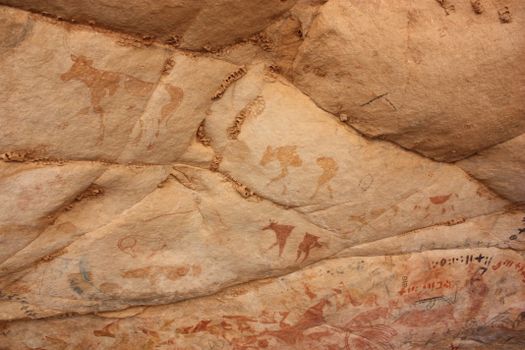
Discover ancient rock art depicting prehistoric life on Algerian cave walls. Photo: Baidou Ahmed / Pexels
The story of art history begins not in grand museums or bustling galleries, but in the dimly lit caves and ancient settlements across the globe. Prehistoric art, dating back tens of thousands of years, offers a profound glimpse into the nascent human consciousness and our earliest attempts to interpret and interact with the world around us. From the breathtaking cave paintings of Lascaux and Altamira, depicting animals with startling dynamism and anatomical accuracy, to the Venus figurines, symbols of fertility and primordial reverence, these early creations were not merely decorative. They were integral to spiritual rituals, hunting magic, and the very fabric of communal life. These initial expressions, often made with rudimentary tools and natural pigments, laid the groundwork for all subsequent artistic endeavors, demonstrating an innate human desire to create, communicate, and leave a lasting mark. As civilizations began to coalesce, so too did the complexity and purpose of art. Ancient Egyptian art, spanning millennia, is characterized by its monumental scale, strict conventions, and deep connection to the afterlife. Hieroglyphic scripts, intricate tomb paintings, and colossal sculptures like the Sphinx and the statues of pharaohs served not just as aesthetic objects but as essential components of their religious and political systems. The emphasis on permanence, order, and symbolic representation in Egyptian art provides an invaluable window into their beliefs about eternity and cosmic harmony. Similarly, the art of Mesopotamia, from the Sumerians to the Assyrians and Babylonians, showcased a narrative drive, with cylinder seals, elaborate relief sculptures, and ziggurats telling stories of gods, kings, and epic battles. These works, while distinct in their cultural contexts, share a common thread: art as a powerful tool for recording history, asserting power, and connecting with the divine. They are foundational chapters in the expansive art history timeline, revealing how societies first used visual language to define themselves and their place in the universe. Understanding these ancient roots is crucial to appreciating the entire trajectory of human creativity, offering context for every subsequent movement and innovation. The enduring legacy of these early periods can still be felt in architectural principles, symbolic motifs, and the very idea of art as a means of cultural preservation and expression. Explore more about ancient civilizations and their art.

Classical Ideals to Medieval Splendor: Greek, Roman, & Middle Ages Art

Following the ancient world, the art history timeline moves into the classical era, dominated by the unparalleled contributions of ancient Greece and Rome. Greek art, particularly from the Archaic, Classical, and Hellenistic periods, established enduring ideals of beauty, proportion, and humanism. Their philosophy of kalokagathia—the belief in the harmonious ideal of physical and moral excellence—was reflected in their sculpture, which evolved from rigid, frontal kouroi and korai to the dynamic, naturalistic forms of the Classical period, exemplified by the Parthenon sculptures and works by masters like Phidias and Praxiteles. Greek architecture, with its iconic Doric, Ionic, and Corinthian orders, provided a blueprint for Western architectural design for centuries to come. Roman art, while heavily influenced by its Greek predecessors, developed its own distinct character, marked by a strong sense of pragmatism, narrative detail, and an emphasis on civic duty and imperial power. Roman portraiture, with its unflinching realism, and monumental architecture, such as the Colosseum, Pantheon, and elaborate aqueducts, showcased their engineering prowess and their desire to project authority and order across their vast empire. Mosaics and frescoes adorned their villas, depicting scenes of daily life, mythology, and grand historical events, often with a remarkable sense of perspective and illusionism. As the Roman Empire declined, Europe transitioned into the Middle Ages, a period often mislabeled as the 'Dark Ages' but which, in fact, saw a profound flourishing of artistic expression, largely driven by the rise of Christianity. Medieval art, spanning from roughly the 5th to the 15th century, is incredibly diverse, encompassing early Christian, Byzantine, Romanesque, and Gothic styles. Early Christian art adapted Roman forms to new religious narratives, often found in catacombs and basilicas. Byzantine art, centered in Constantinople, was characterized by its dazzling mosaics, iconic religious imagery, and flat, ethereal figures designed to inspire spiritual contemplation rather than earthly realism. Romanesque art, emerging around the 11th century, saw the construction of massive stone churches with barrel vaults, powerful relief sculptures, and intricate manuscript illuminations, reflecting a period of monastic growth and pilgrimage. The Gothic period, from the 12th to the 15th century, marked a revolutionary shift, most famously embodied in its soaring cathedrals like Chartres and Notre Dame. These architectural marvels, with their pointed arches, ribbed vaults, flying buttresses, and expansive stained-glass windows, created spaces flooded with divine light, designed to elevate the human spirit towards the heavens. Gothic sculpture became more naturalistic, and panel painting began to emerge as a significant art form, foreshadowing the Renaissance. This rich tapestry of medieval art showcases a profound spiritual devotion and an incredible range of craftsmanship, moving art from classical humanism to a focus on the divine, a crucial pivot point in the art history timeline.

From Renaissance Rebirth to Revolutionary Modern Art Movements

The Renaissance, a period of profound cultural and intellectual rebirth originating in 14th-century Italy, marked a pivotal shift in the art history timeline, bringing a renewed focus on humanism, classical ideals, and scientific inquiry. Artists like Leonardo da Vinci, Michelangelo, and Raphael pushed the boundaries of naturalism, perspective, and emotional depth, creating masterpieces that celebrated human potential and individual genius. The invention of oil painting allowed for richer colors and more subtle effects, while anatomical studies informed increasingly realistic depictions of the human form. This era, extending into the High Renaissance and Northern Renaissance, saw art become a powerful tool for expressing complex ideas about religion, philosophy, and the human condition, moving beyond purely didactic purposes. Following the grandeur of the Renaissance, the Baroque period (17th century) emerged with a dramatic flourish, characterized by intense emotion, theatricality, and dynamic compositions. Artists such as Caravaggio, Bernini, and Rembrandt used chiaroscuro and elaborate ornamentation to evoke awe and engage the viewer's senses, often in service of the Counter-Reformation. The subsequent Rococo style (18th century) offered a lighter, more playful, and ornate aesthetic, frequently depicting aristocratic leisure and romantic themes. The Enlightenment brought a return to classical sobriety with Neoclassicism (late 18th-early 19th century), emphasizing order, reason, and moral virtue, exemplified by artists like Jacques-Louis David. This was quickly countered by the passionate individualism of Romanticism (early-mid 19th century), which prioritized emotion, imagination, and the sublime, seen in the works of Goya, Delacroix, and Turner. The 19th century was a crucible of artistic innovation, with movements like Realism challenging academic conventions by depicting everyday life, and Impressionism revolutionizing painting with its focus on capturing fleeting moments of light and color. Post-Impressionists like Van Gogh, Cézanne, and Gauguin then pushed these ideas further, exploring personal expression and formal experimentation. The turn of the 20th century ushered in an explosion of groundbreaking modern art movements: Fauvism with its bold colors, Cubism breaking down forms into geometric planes, Expressionism conveying intense emotional states, and Surrealism delving into the subconscious mind. These movements, alongside Futurism, Dada, and Abstract Expressionism, continually challenged traditional notions of what art could be, reflecting the rapidly changing world and the fragmentation of modern experience. Each movement, building upon or reacting against its predecessors, added crucial layers to the ever-evolving art history timeline, demonstrating art's capacity for constant reinvention and its role as a mirror to societal change. Discover more about pivotal modern art movements.

Navigating Contemporary Art: Challenges and Interpretations

The journey through the art history timeline culminates in the vast and often perplexing landscape of contemporary art, roughly spanning from the mid-20th century to the present day. This era is characterized by an unprecedented diversity of styles, mediums, and philosophical approaches, reflecting a globalized world grappling with complex issues of identity, technology, politics, and environmental concerns. Unlike earlier periods often defined by singular dominant styles, contemporary art embraces pluralism, making it challenging to categorize but endlessly fascinating. Movements like Pop Art, with its appropriation of consumer culture imagery by artists like Andy Warhol, and Minimalism, reducing art to its essential forms, marked significant departures from traditional aesthetics. Conceptual Art, prioritizing ideas over aesthetic objects, further expanded the definition of art itself, asking viewers to engage intellectually rather than solely visually. Performance art, installation art, video art, and digital art have become prominent mediums, pushing the boundaries of traditional painting and sculpture. Artists often engage directly with social and political issues, using their work to provoke thought, challenge norms, or advocate for change. The rise of feminist art, post-colonial art, and art addressing LGBTQ+ issues has diversified voices and perspectives, enriching the global art dialogue. Understanding contemporary art often requires an open mind and a willingness to engage with challenging ideas. There are no definitive rules or universally accepted aesthetics; instead, value is often found in the artist's intent, the work's conceptual depth, and its ability to spark dialogue. Don't be afraid to ask questions: What is the artist trying to communicate? What societal context is this work responding to? How does it make me feel? The beauty of contemporary art lies in its ongoing conversation, its constant evolution, and its capacity to mirror the complexities of our current world. It invites participation and interpretation, making each encounter a unique experience. While it may sometimes feel inaccessible, remember that all art, throughout the entire art history timeline, was once 'contemporary' and challenged its audience in new ways. Embracing this open-ended nature is key to appreciating the rich tapestry of present-day artistic expression. It's a period of continuous experimentation and boundary-breaking, reflecting our ever-changing world.

Comparison

Era/MovementKey FocusDominant MediumExample Artist
Ancient EgyptianAfterlife, OrderSculpture, MuralsUnknown (Tomb of Tutankhamun)
Classical GreekHumanism, Ideal BeautySculpture, ArchitecturePhidias
GothicSpirituality, LightArchitecture, Stained GlassMaster of Chartres Cathedral
RenaissanceHumanism, PerspectiveOil Painting, SculptureLeonardo da Vinci
ImpressionismLight, Fleeting MomentOil PaintingClaude Monet
CubismGeometric Forms, Multiple PerspectivesPainting, CollagePablo Picasso
ContemporaryConcept, Diversity, Social IssuesMixed Media, Digital, PerformanceAi Weiwei

What Readers Say

"This art history timeline is incredibly comprehensive and easy to follow. I finally understand the connections between different art movements, something I struggled with in college. A truly invaluable resource!"

Sarah J. · Boston, MA

"As an aspiring artist, grasping the evolution of styles is crucial. This article breaks down complex periods into digestible segments, highlighting key artists and their impact. Highly recommend for anyone serious about art."

David M. · Los Angeles, CA

"I used to feel overwhelmed by art history, but this timeline made it approachable and exciting. I now confidently visit museums and can identify major periods, which has significantly enhanced my appreciation."

Emily R. · Chicago, IL

"While incredibly thorough, some sections on contemporary art could delve a bit deeper into lesser-known but impactful movements. Still, it's an excellent starting point and a fantastic overview for the general enthusiast."

Mark T. · Portland, OR

"My art history class required a reliable resource, and this article delivered. It's well-researched and provides just the right amount of detail without becoming overly academic. A lifesaver for assignments!"

Jessica L. · Austin, TX

Frequently Asked Questions

What is the importance of studying the art history timeline?

Studying the art history timeline offers profound insights into human civilization, culture, and societal evolution. Art serves as a visual record of beliefs, values, technologies, and political landscapes across different eras, allowing us to understand how humanity has perceived and interacted with its world throughout history. It fosters critical thinking and appreciation for diverse forms of human expression.

Is contemporary art truly 'art' if it's so different from traditional forms?

Yes, contemporary art is absolutely art. The definition of art has always evolved, reflecting societal changes and new ideas. Contemporary art, while often challenging traditional aesthetics, aims to provoke thought, express new perspectives, and engage with current issues using a vast array of mediums and concepts. Its value lies in its ability to push boundaries and reflect our current global experience.

How can I start learning about a specific period in the art history timeline?

To start learning about a specific period, begin by identifying key artists and their seminal works from that era. Research the historical, social, and cultural contexts that influenced the art. Visiting museums or galleries with collections from that period, reading introductory books, and watching documentaries are excellent ways to immerse yourself and gain a deeper understanding.

What's the best way to remember all the different art movements?

The best way to remember art movements is to understand their chronological progression and the key ideas or reactions that defined each one. Create your own mental 'story' of how one movement led to another. Focus on identifying a few iconic artists and artworks for each period, and look for overarching themes rather than memorizing individual details. Visual aids and comparison tables can also be very helpful.

Are there any 'lost' art periods in the art history timeline?

While the major art periods we discuss are well-documented, there are certainly gaps in our knowledge, especially concerning ancient and non-Western cultures where records or surviving artifacts are scarce. Some periods might be 'lost' due to destruction, decay of materials, or simply because their art forms were ephemeral or not preserved in ways recognizable to modern scholarship. Ongoing archaeological discoveries continuously fill in these gaps.

Who should use this art history timeline as a resource?

This art history timeline is an ideal resource for students, educators, art enthusiasts, museum-goers, and anyone with a curiosity about human creativity and cultural evolution. Whether you're seeking a foundational understanding, preparing for an exam, or simply looking to enrich your appreciation for art, this comprehensive guide provides a structured and insightful journey through the ages.

Is it possible to appreciate art without knowing its history?

While it's certainly possible to appreciate art on a purely aesthetic or emotional level without historical knowledge, understanding its history significantly enriches that appreciation. Knowing the context, techniques, and intentions behind a piece allows for a deeper, more informed engagement, revealing layers of meaning and connection that might otherwise be missed. History provides the language to truly 'read' a work of art.

What are the future trends in art history scholarship?

Future trends in art history scholarship are moving towards greater inclusivity, examining global art perspectives beyond the traditional Western canon. There's also a growing emphasis on interdisciplinary studies, incorporating digital humanities, scientific analysis of materials, and critical theories like post-colonialism and gender studies. The role of technology in both creating and preserving art is also a significant area of focus and study.

Embark on your own journey through the incredible art history timeline. This comprehensive guide provides the perfect foundation to understand the evolution of human creativity and its profound impact on our world. Dive in and let the masterpieces of history inspire you.

Topics: art history timelineart movementshistorical art periodsancient artmodern art
Leo List
Brampton weed
Adultwork